
Do those stubborn spots that greet you in the mirror every morning wear you down too? The marks left behind by sun damage, or the dark shadows acne leaves in its wake? You spend money on skincare but never see results, and no matter what you try, those spots stay exactly where they are… If this sounds familiar, you're reading the right article in the right place. Because today I'm going to tell you everything about arbutin serum the way dermatologists and skin scientists have recommended it for years, chatting with you like a friend over coffee.
What Is Arbutin? Your Skin's New Best Friend
Arbutin actually comes from nature. Found naturally in plants like cranberry, bilberry and mulberry, this compound is chemically a derivative of hydroquinone. So why do we prefer arbutin over hydroquinone? Because hydroquinone acts far more aggressively and can cause serious side effects with long-term use. Arbutin, on the other hand, is gentler and more controlled. It doesn't fight with your skin; it works together with it.
From a scientific standpoint, arbutin suppresses melanin production by inhibiting the tyrosinase enzyme. Melanin is the pigment that gives your skin its color. Too much melanin production equals spots. Arbutin breaks that chain. It's really that simple.
Studies published by the University of California, San Francisco Department of Dermatology have repeatedly confirmed that arbutin is a safe and effective agent for treating hyperpigmentation. Cleveland Clinic also counts arbutin among the compounds recommended as a hydroquinone alternative, especially for sensitive skin.
Alpha Arbutin or Beta Arbutin? The Difference Between Them
This is a question worth asking, because you'll come across both on the market.
Alpha arbutin has a far more stable molecular structure than beta arbutin. It penetrates your skin better and works roughly 10 times more effectively at the same concentration. If you see alpha arbutin in a formula, it means you're dealing with a stronger product.
Beta arbutin is more common and cheaper. It's less potent but still does the job. The difference is this: alpha arbutin is the more refined, more optimized version of beta arbutin.
How Does Arbutin Serum Work? The Real Mechanism
Melanin production in your skin begins when an amino acid called tyrosine is processed by the tyrosinase enzyme. When sun exposure, hormonal changes or inflammation push that enzyme into overdrive, spots appear.
This is exactly where arbutin steps in. By binding to the active site of the tyrosinase enzyme, it slows down its melanin-producing process. It keeps your spots from darkening and, over time, helps existing spots fade too.
So when do you see this? In most clinical studies, noticeable improvement was observed after 4–8 weeks of consistent use. Don't expect miracles, but do be patient. Skin renewal is a process, not the result of a single product.

The Proven Benefits of Arbutin Serum
1. Treating Hyperpigmentation and Spots
As noted in Mayo Clinic's skincare guidance, tyrosinase inhibitors are among the first-line compounds recommended for treating hyperpigmentation. Arbutin is a safe representative of this category.
Whatever the type of spot may be — sun spots, the mask of pregnancy (melasma), post-acne marks — arbutin works against them all.
2. Evening Out Skin Tone
Uneven skin tone is one of the top complaints women have about their skin. Arbutin goes beyond treating localized spots to support overall skin radiance and an even tone. It gives you the comfort of being able to look in the mirror without makeup in the morning. And that's no small thing.
3. Suitability for Sensitive Skin
Here's a point emphasized in Harvard Medical School's skincare content too: products containing hydroquinone can cause irritation, redness and paradoxical hyperpigmentation (ochronosis) on sensitive skin. Arbutin, by contrast, is far better tolerated both in dermatologist testing and in real user experience.
4. Synergy with Other Actives
When used together with vitamin C, niacinamide and hyaluronic acid, arbutin's effectiveness multiplies. It doesn't have to work alone; placed within a good formulation, it delivers wonderful results.
Mineaderm Arbutin Serum: A Solution Formulated with Science
So far we've covered what arbutin does and how it works. But in practice, which product should you use?
Mineaderm's Anti-Spot and Brightening Arbutin Serum comes into play right here. Formulated with a concentrated Hyaluronic Acid blend of different molecular sizes, this serum both helps prevent spots and deeply hydrates your skin. Not just brightening, but deep moisture too — having these two together is a major advantage, especially for dry and combination skin.
Developed using liposomal technology, this formula helps active ingredients pass through the skin barrier more easily. In other words, whatever you put on your face truly sinks in rather than sitting on the surface.
If you want to boost your arbutin serum, I'd recommend pairing it with Mineaderm's Anti-Aging Brightening Vitamin C Serum. A favorite among our customers, this serum supports arbutin's melanin inhibition with the antioxidant power of vitamin C. The two together? A true brightening protocol.

How to Add Arbutin Serum to Your Skincare Routine
Step 1: Cleansing
First and foremost, the skin needs to be clean. Mineaderm's Brightening Daily Cleansing Foam cleanses deeply without drying out your skin while also supporting a balanced tone. You can use it morning and night.
Step 2: Toner (Optional)
If you use a pore-tightening or gently hydrating toner, apply it before your serum.
Step 3: Arbutin Serum
Take a few drops of the serum into your palm, warm it slightly, and after applying it to your face and neck, gently pat it in. No rubbing — patting. This helps the serum absorb into the skin more effectively.
Step 4: Moisturizer
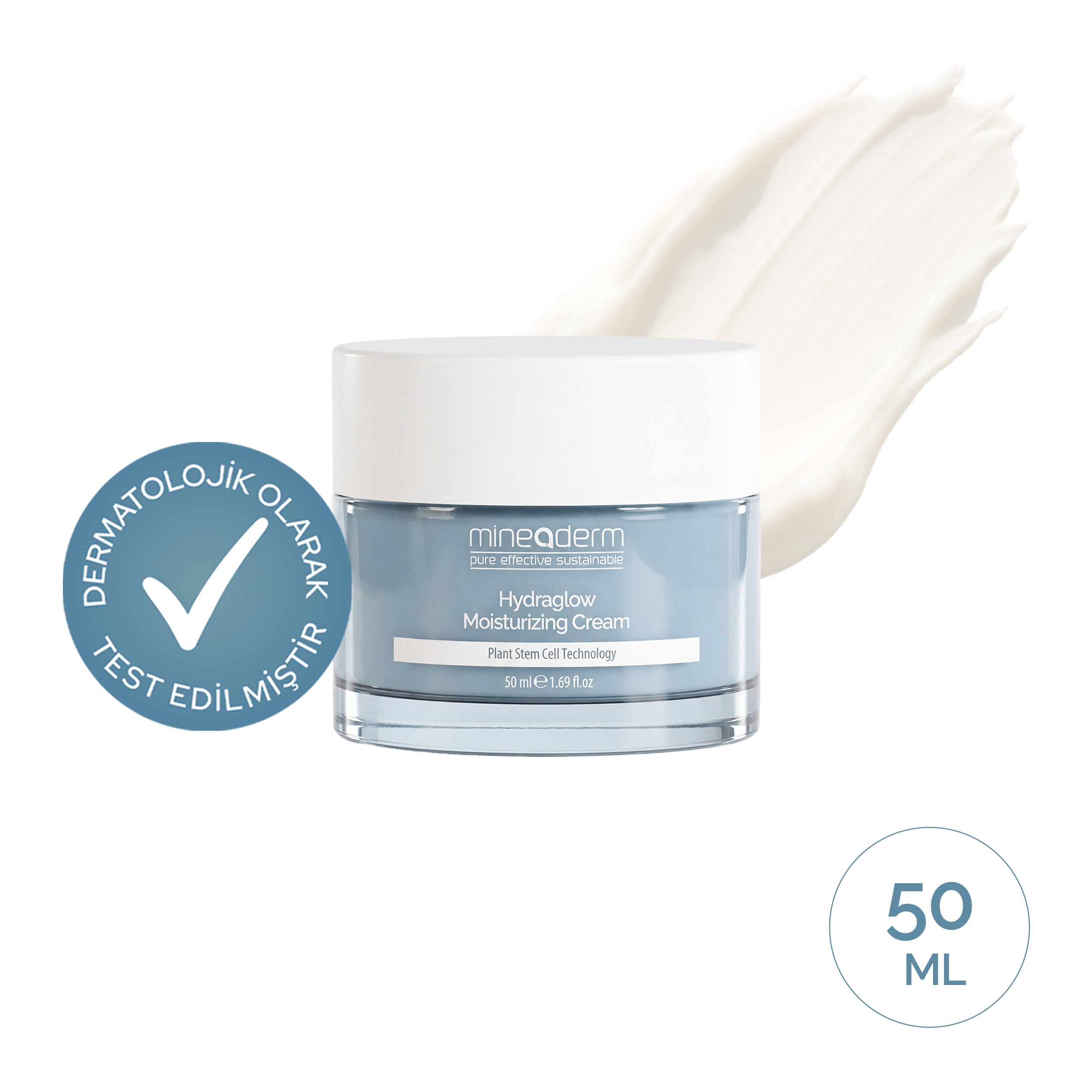
Once the serum has absorbed, apply your moisturizer. If you're determined to tackle spot problems, Mineaderm's Phyto White Anti-Spot Skin Tone Corrective Care Cream is a perfect complement. Formulated with plant stem cell technology, this cream offers powerful support against stubborn, resistant pigmentation.
Step 5: SPF — And You Can't Skip This Step
While using arbutin, SPF is a must. Why? Because as you reduce melanin production, your skin's capacity to defend against the sun drops too. So if you don't apply protection, the sun undoes the care you did in the morning within hours.

Frequently Asked Questions
Is arbutin serum suitable for every skin type?
Generally, yes. Even sensitive skin tolerates arbutin well in most cases. Still, I'd recommend testing it on a small area on first use. If your skin is very sensitive or you have an active skin condition, consult your dermatologist.
Can arbutin serum be used during pregnancy?
This is a question you absolutely need to put to your doctor. Hydroquinone isn't recommended during pregnancy; while arbutin appears safer, the clinical data is limited. To stay on the safe side, dermatologist approval is essential during pregnancy.
When will I see results?
Most users notice their first improvement within 4–6 weeks. However, 8–12 weeks of consistent use may be needed for noticeable results. Skin renewal works in 28-day cycles; there's no skipping that process.
Can arbutin be used together with niacinamide?
Absolutely, yes. These two ingredients support each other. Niacinamide both inhibits melanin transfer and strengthens the skin barrier. When you use the two together, effectiveness increases.
Can arbutin and vitamin C be used at the same time?
Yes, they're compatible ingredients. But if you're using both in high concentrations at the same time, take a little care. A routine like vitamin C in the morning and arbutin at night works well too. Or you can check out Mineaderm's combined serum set that includes both: Spot Care Routine 2.
Can I apply arbutin serum to my neck and décolleté too?
Yes! Spots and uneven tone can develop on the neck and décolleté as well. Extend the serum you apply to your face to these areas too.

What to Look for When Choosing an Arbutin Serum
There are dozens of arbutin products on the market. But they're not all the same. Here's what you should pay attention to when shopping:
- Make sure it contains alpha arbutin. Beta arbutin is cheaper but less effective.
- Concentration matters. 1–2% alpha arbutin was found effective in clinical studies. Very low concentrations may not deliver results.
- Supporting ingredients. Formulas containing hyaluronic acid, niacinamide or vitamin C show stronger effects.
- Liposomal technology. This technology makes it easier for active ingredients to cross the skin barrier. Mineaderm's arbutin serum is formulated with exactly this technology.
- pH balance. Arbutin is more stable in a mildly acidic environment (pH 5–6). Formulation quality comes into play here.
Common Mistakes When Using Arbutin Serum
Not using sunscreen. This is the biggest mistake, one that renders the entire arbutin routine ineffective. Brightening ingredients can't work without SPF 30+.
Switching products while waiting for results. Impatience is the enemy of skincare. Don't abandon a product just because you didn't see results in 2 weeks. Respect the skin cycle.
Using too many actives at once. Applying AHA/BHA acids, retinoid and arbutin all at the same time can over-stimulate your skin. Keep it simple at the start and add layers over time.
Neglecting the under-eye area. This area is thin and delicate, but spot and tone problems show up here too. You can apply gently.
The Mineaderm Routine That Completes Your Arbutin Serum
If you want to address your spot problem with a holistic approach, Mineaderm's carefully crafted Spot Care Set is just right for you. Arbutin serum, cleanser and cream all in one — if you're starting from scratch or want to rebuild your routine, this set is a perfect starting point.
If you're looking for a more comprehensive protocol, be sure to check out the Spot Care Routine.
References
The following medical and scientific sources were used in preparing this content:
-
Cleveland Clinic — Hyperpigmentation: What It Is, Causes & Treatment
https://my.clevelandclinic.org/health/diseases/21454-hyperpigmentation -
Mayo Clinic — Melasma: Symptoms & Causes
https://www.mayoclinic.org/diseases-conditions/melasma/symptoms-causes/syc-20375433 -
Harvard Health Publishing — Treating Age Spots and Uneven Skin Tone
https://www.health.harvard.edu/staying-healthy/treating-age-spots-and-uneven-skin-tone -
National Institutes of Health (NIH) — Arbutin: A Natural Skin-Lightening Agent
https://www.ncbi.nlm.nih.gov/pmc/articles/PMC3663177/ -
Journal of Cosmetic Dermatology — Alpha-arbutin as a skin lightening agent
https://onlinelibrary.wiley.com/doi/10.1111/jocd.12052 -
American Academy of Dermatology — How to fade dark spots in skin of color
https://www.aad.org/public/everyday-care/skin-care-secrets/face/fade-dark-spots -
Mount Sinai Hospital — Hyperpigmentation Overview
https://www.mountsinai.org/health-library/diseases-conditions/hyperpigmentation -
Dermatologic Therapy — Comparison of skin depigmenting agents
https://onlinelibrary.wiley.com/doi/10.1111/dth.12012 -
Journal of Investigative Dermatology — Melanogenesis and its regulation
https://www.jidonline.org/article/S0022-202X(15)37200-7/fulltext -
University of California San Francisco — Skin Pigmentation Disorders
https://dermatology.ucsf.edu/patient-care/skin-pigmentation-disorders -
Mineaderm — Cosmetics Glossary (Active Ingredients)
https://mineaderm.com/pages/kozmetik-sozlugu -
Mineaderm — Anti-Spot Brightening Arbutin Serum
https://mineaderm.com/products/leke-bakim-seti -
Mineaderm — Spot Care Routine 2
https://mineaderm.com/products/leke-bakim-rutini-2
This content does not constitute medical advice. For serious concerns about your skin health, we recommend seeking a dermatologist's opinion.