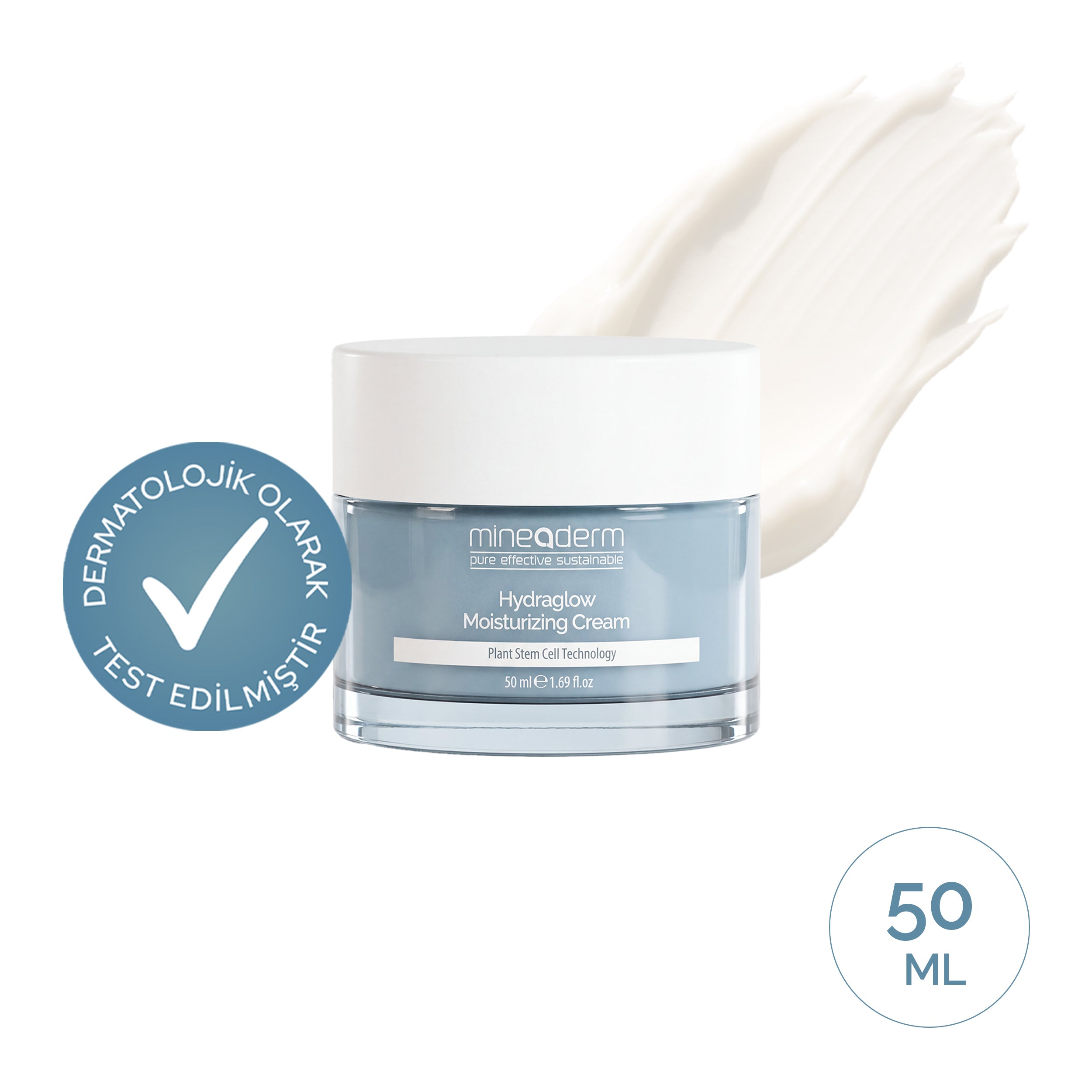


Catalog

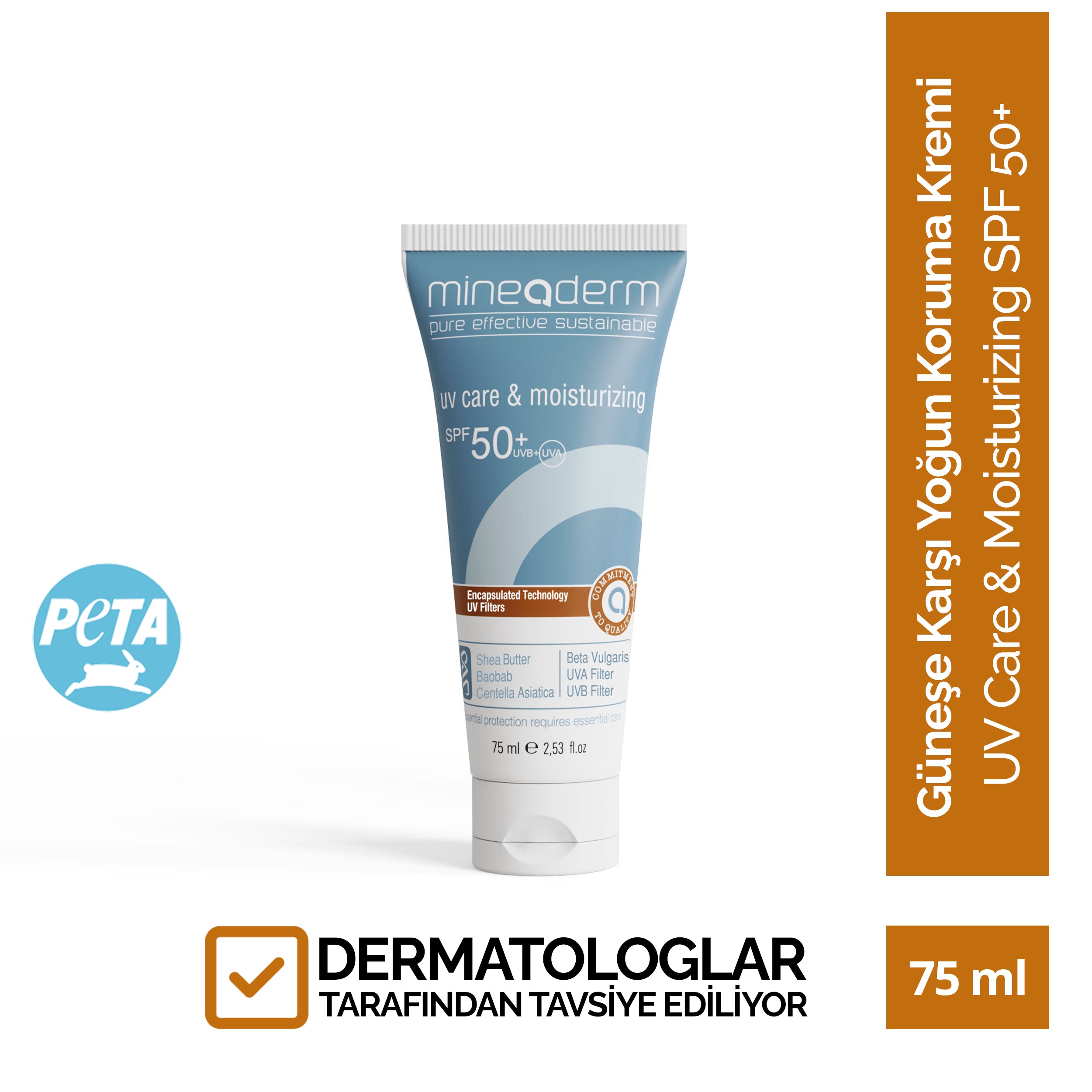
Type: Cream
Moisturizing Intensive Sunscreen SPF50+

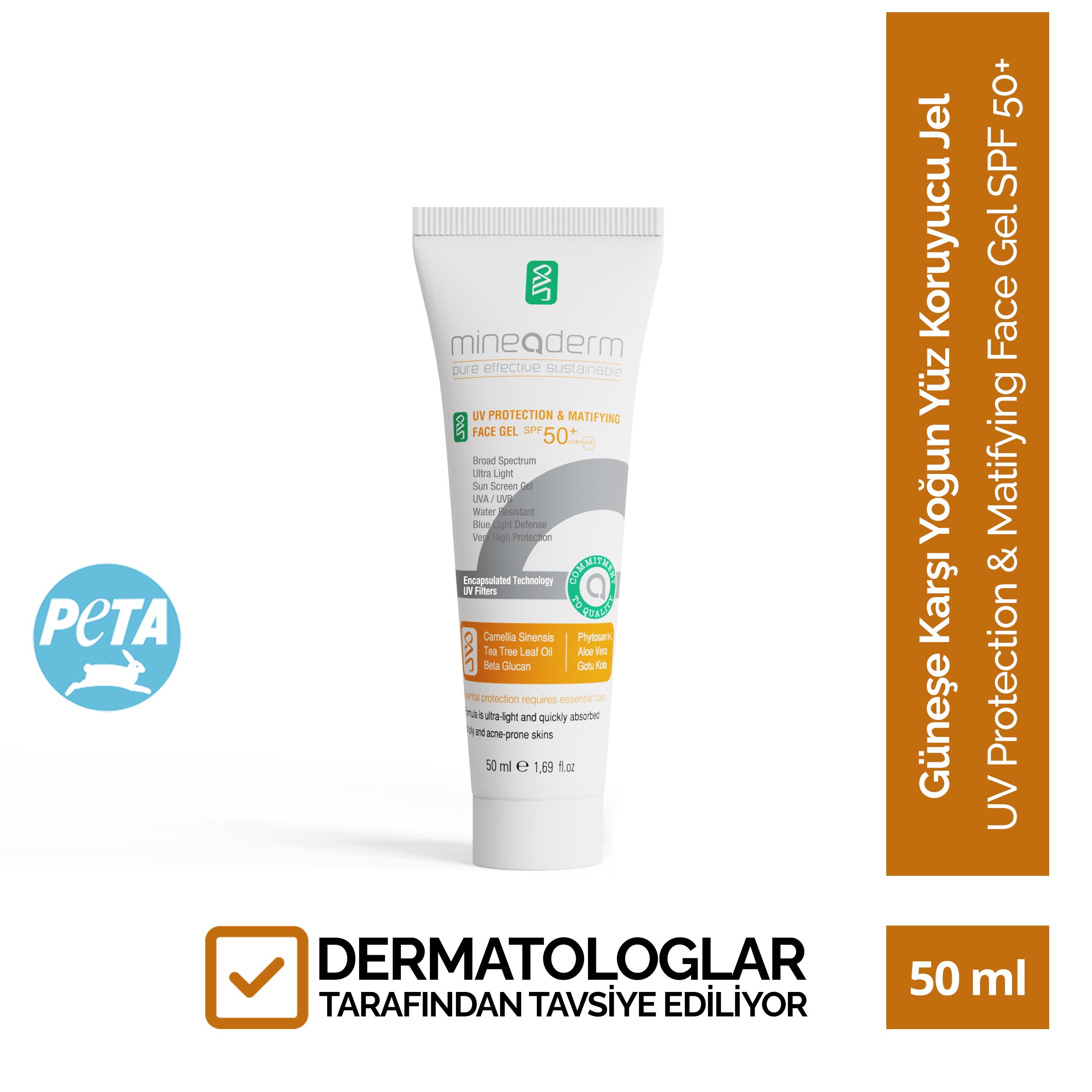
Type: Cream
Anti-Acne and Mattifying Sunscreen SPF50+

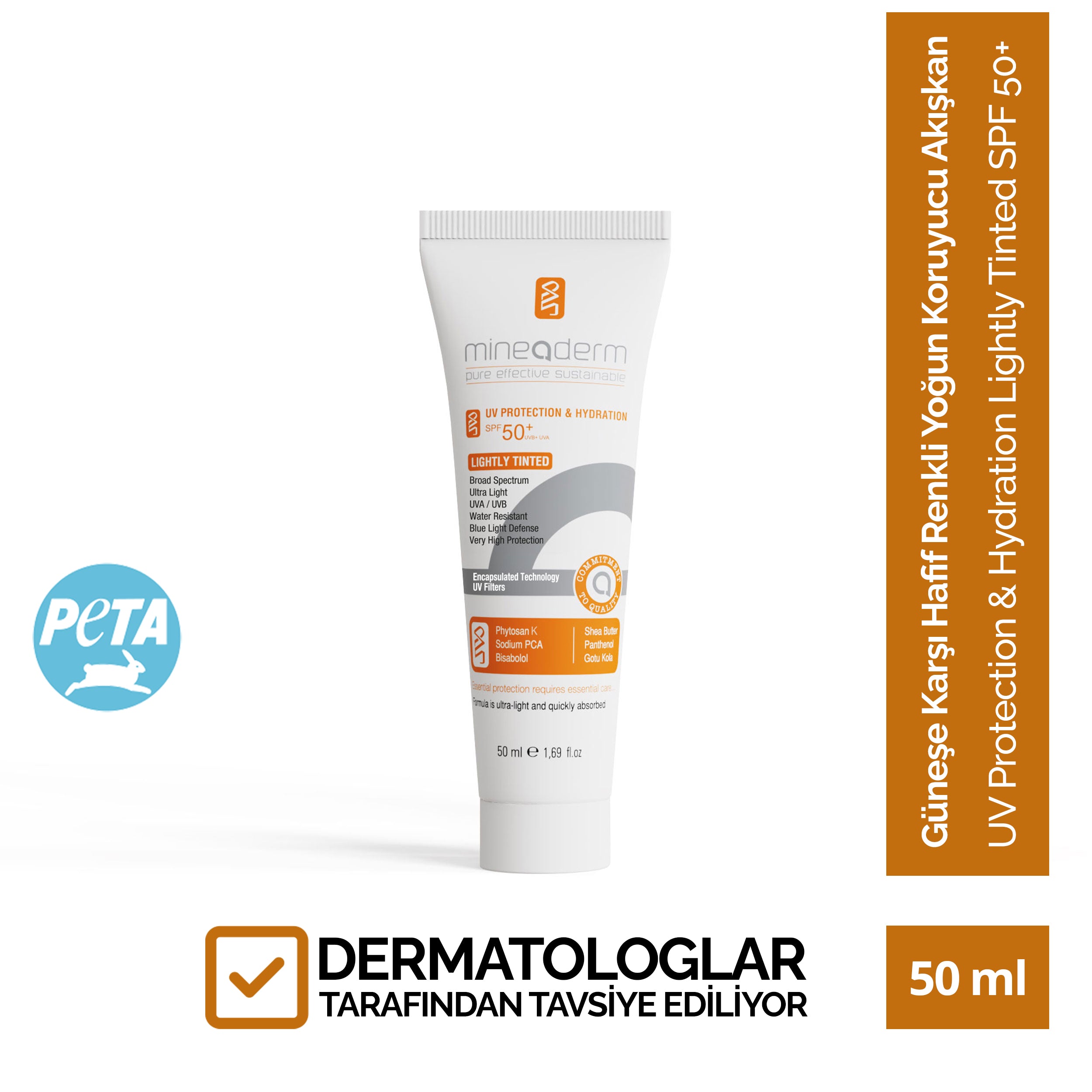
Type: Cream
Moisturizing Tinted Sunscreen SPF50+

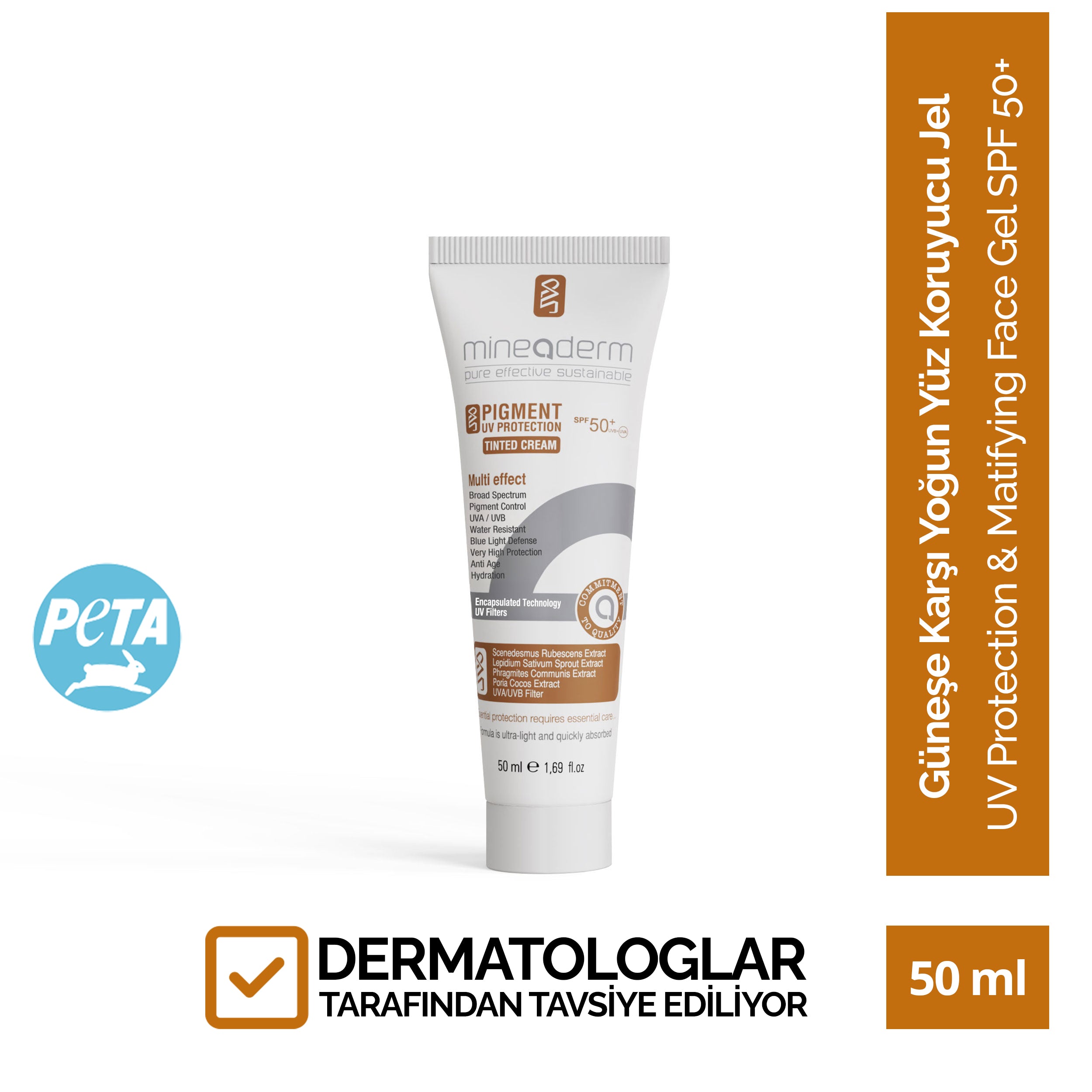
Type: Cream
Anti-Spot Tinted Sunscreen SPF50+

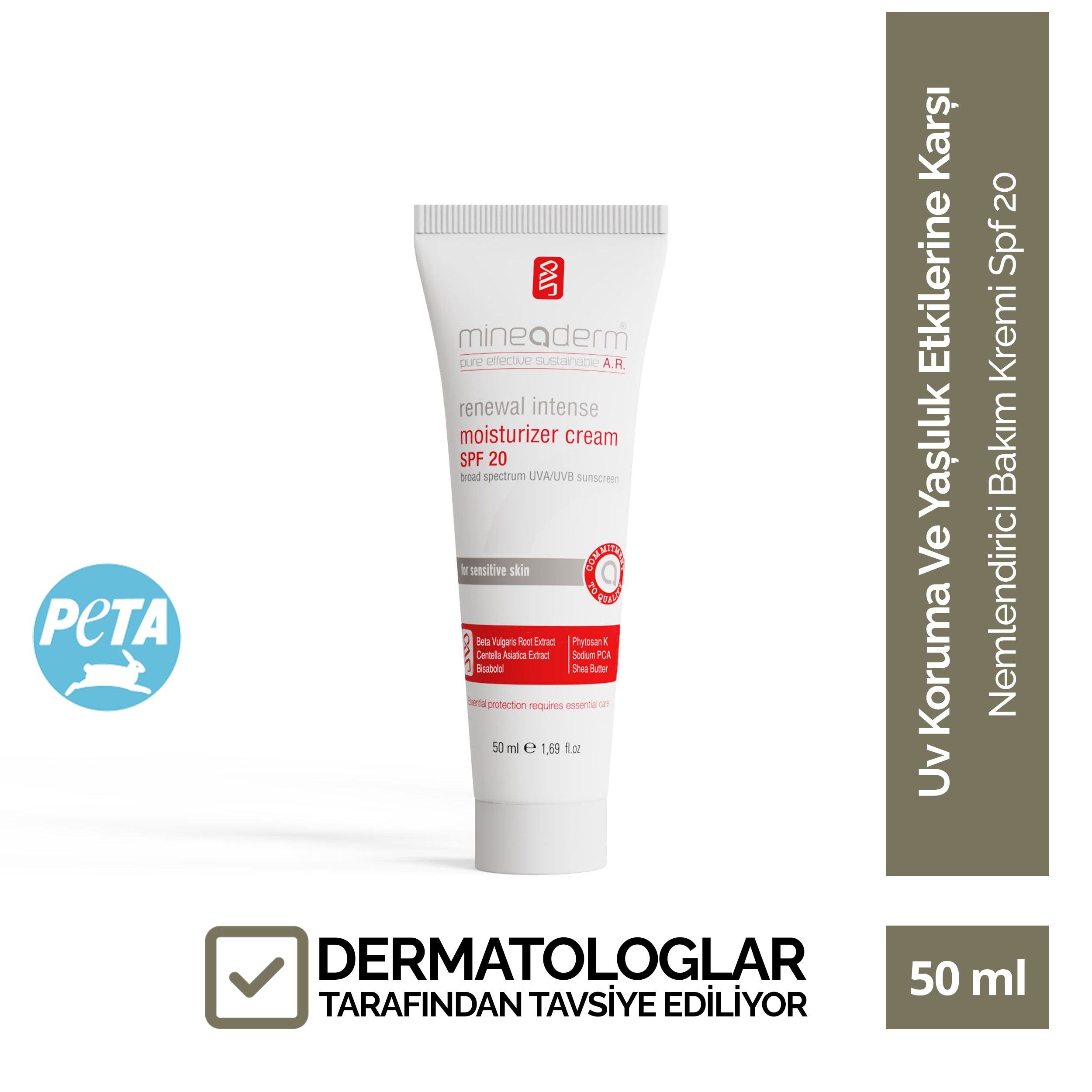
Type: Cream
Intense Moisturizing Care Cream SPF20 for Sensitive Skin

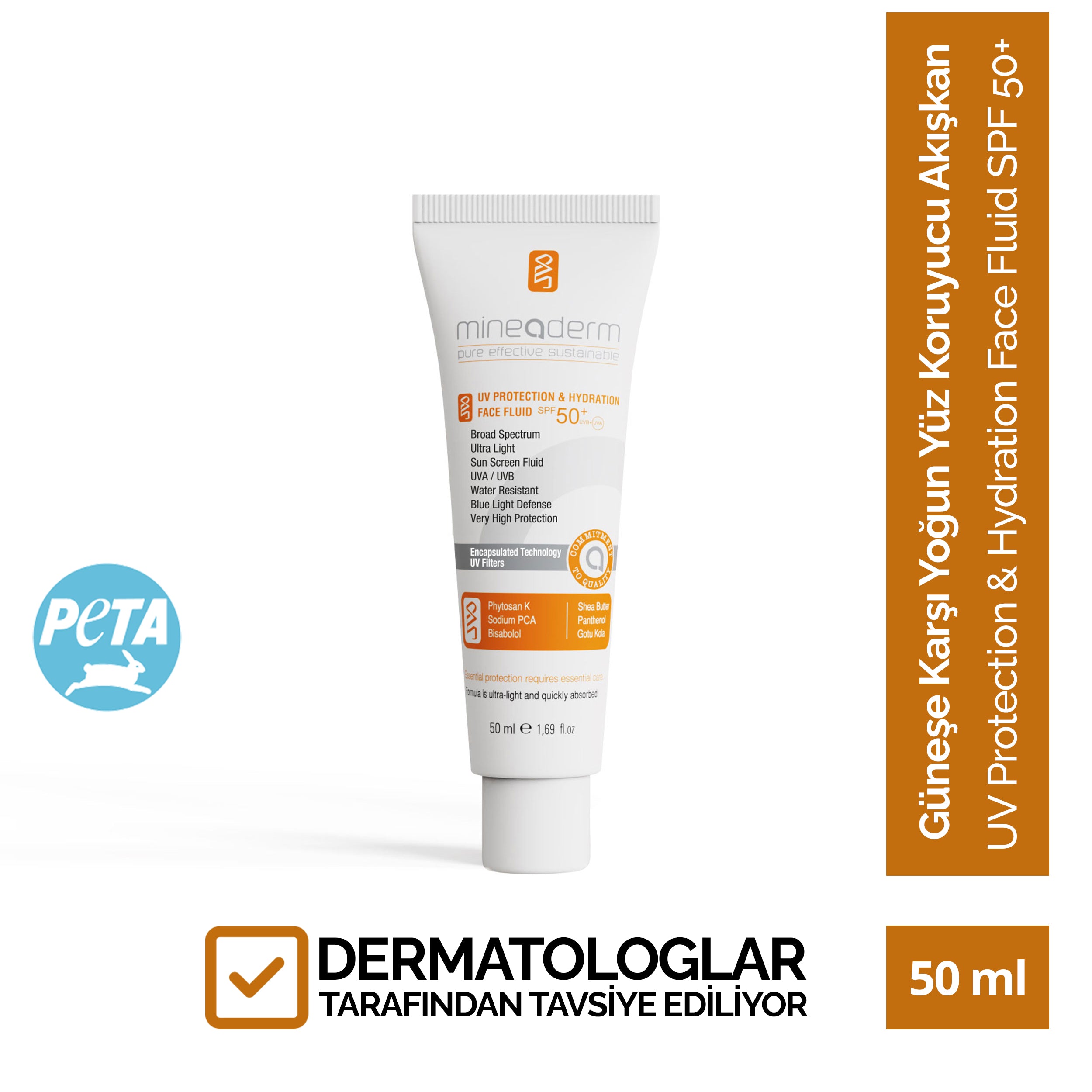
Type: Cream
Fluid Moisturizing Sunscreen for Combination and Oily Skin SPF50+

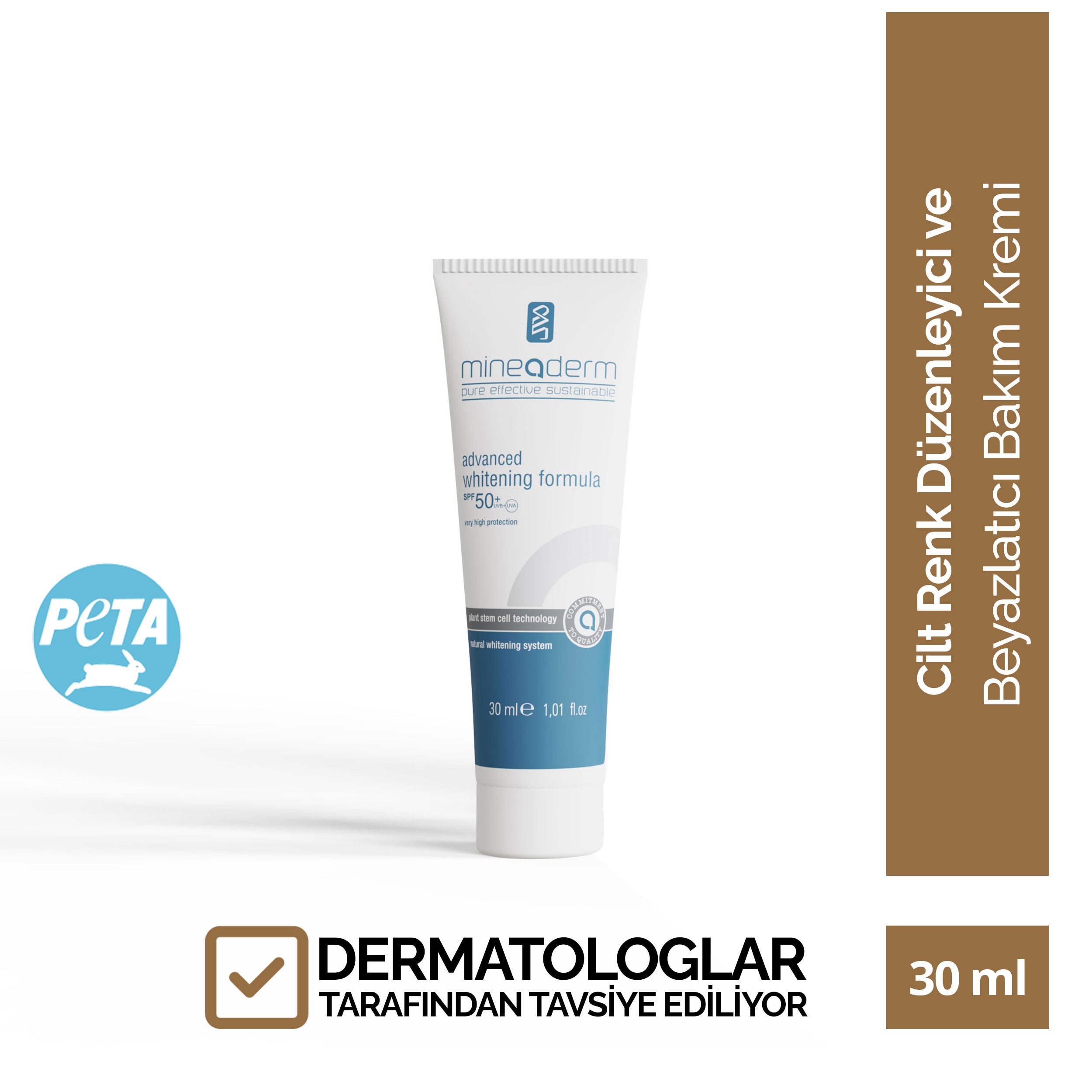
Type: Cream
Skin Tone-Evening and Whitening Care Cream
Sunscreen is the most undisputed step in skin care — one of the rare topics dermatology agrees on. UV rays are the number one external cause of skin aging and the appearance of dark spots. So why don't most of us still use it regularly? Usually because of the wrong product: a cream that feels heavy, sticky, or leaves a white cast on the face can't become part of anyone's daily routine.
This collection exists to eliminate that excuse. For oily and acne-prone skin, the Mattifying Sunscreen SPF50+ helps control shine; for dry skin, the Moisturizing Intense Sunscreen combines care with protection. There's a fluid texture for combination skin, lightly tinted options for those who want some coverage, and the Anti-Spot Tinted Sunscreen for skin prone to dark spots. All offer broad-spectrum UVA/UVB protection.
How much should you apply? The two-finger rule for the face; reapply every 2-3 hours if you're outdoors. Even on cloudy days, about 80% of UV rays pass through clouds — sunscreen isn't a summer product, it's a daily one. We explained how to choose the right formula for your skin type in our Things to Consider in Sunscreens guide.
Frequently Asked Questions
What sunscreen is recommended for daily use?
A broad-spectrum (UVA+UVB) SPF50+ product in a texture suited to your skin type: fluid, mattifying formulas for oily/combination skin, and formulas with moisturizing ingredients for dry skin. Suitability for wear under makeup and the absence of a white cast tend to determine day-to-day comfort.
What sunscreen can be used during pregnancy?
During pregnancy, mineral (physical) filter, fragrance-free sunscreens are generally preferred. It's best to consult your doctor when choosing a product.
How often should sunscreen be reapplied?
Every 2 hours; immediately after swimming, heavy sweating, or towel-drying. Using enough product also matters — for the face and neck, about two finger-lengths of product is needed, and most people apply less than half of what's actually required.
Is SPF necessary in winter or on cloudy days?
Yes. UVA rays pass through clouds and glass, and dark spots and photo-aging continue to progress year-round. For anyone addressing dark spots or using retinol/acids, SPF should be part of the routine in all four seasons.