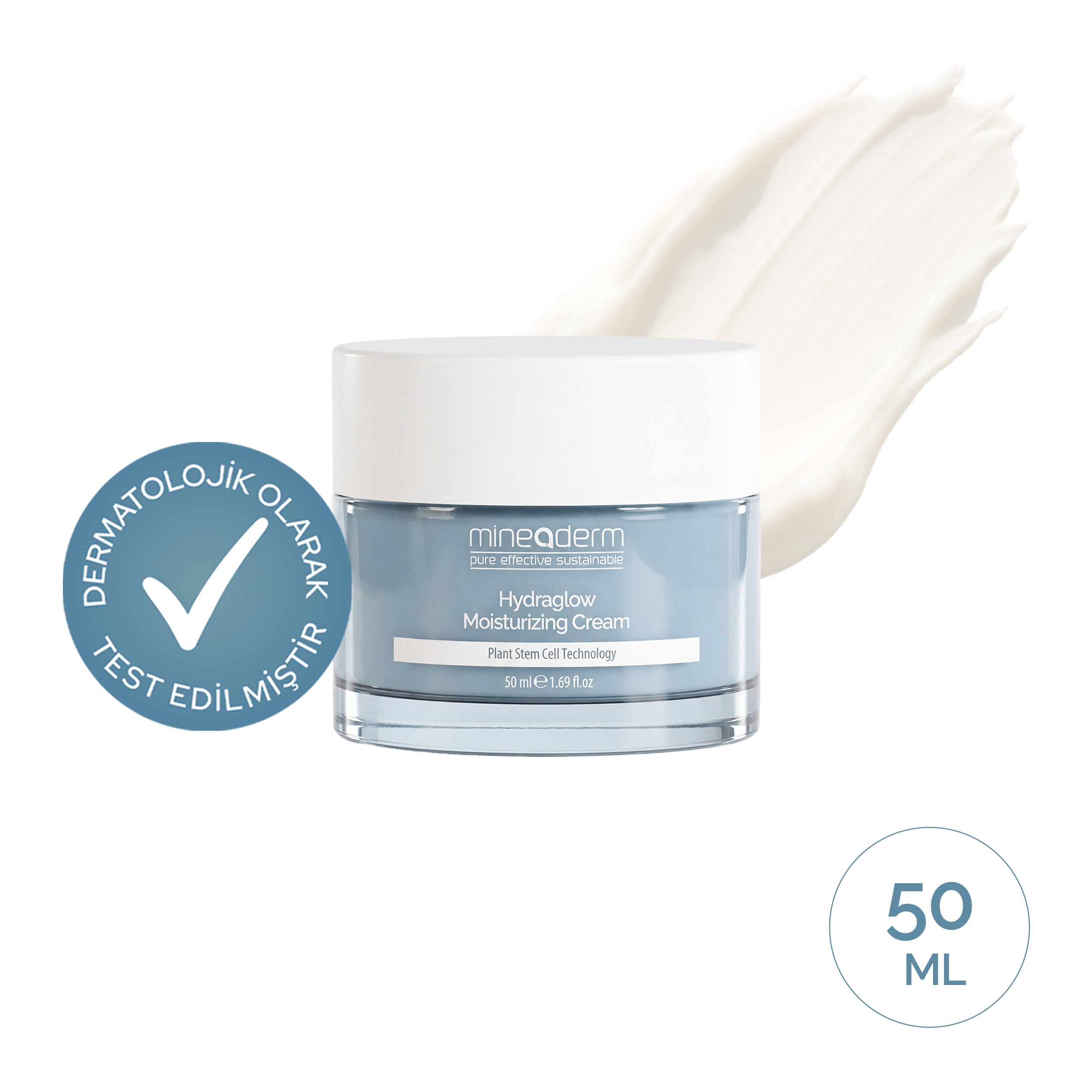


You look in the mirror and notice that the dark spots on your cheekbones, forehead, or upper lip look a little more pronounced than they did last summer. Sound familiar? Maybe you're trying different skincare products, aiming for a brighter, more even-toned complexion. But can a sunscreen really "whiten" the skin — or is that just marketing talk?
What Exactly Does a "Whitening Sunscreen" Mean?
First, let's clear up a common misunderstanding. No sunscreen will make your skin a shade whiter. That expectation simply isn't realistic. However, the right sunscreen helps guard against the development of sun-related uneven skin tone. And when used together with brightening skincare ingredients, it becomes one of the most important steps in a routine that supports a more even-toned, radiant-looking complexion. Think of it this way: if you use brightening care products like vitamin C in the evening but neglect sun protection during the day, you may be undercutting the effect of your entire routine. That's because the sun's rays are one of the main causes of uneven skin tone and the appearance of dark spots. UV rays increase melanin production and make existing spots look more pronounced. That's why it's more accurate to think of "whitening" sunscreen as sun protection that supports an even skin tone and contributes to a brighter-looking complexion. These products combine two core jobs in one:
High sun protection
By providing broad-spectrum (UVA + UVB) protection, it helps guard against the development of sun-related uneven skin tone and dark spots.
Brightening skincare ingredients
Ingredients such as niacinamide, vitamin C derivatives, or arbutin support a more even-toned, brighter-looking complexion. In short, no sunscreen whitens the skin. But with regular use and the right care routine alongside it, it helps the skin look brighter and more even-toned, and provides protection against the formation of new sun-related dark spots.

Why Is the Sun So Influential in the Appearance of Dark Spots?
Here's an important point most people miss: the sun's rays are one of the main external factors contributing to the appearance of dark spots and signs of aging on the skin. Prolonged UV exposure can speed up a process known as photoaging and lead to visible changes such as fine lines, loss of elasticity, and uneven skin tone.
That's why using dark-spot-focused skincare alone isn't enough. Making room for sunscreen in your daytime routine is one of the most important steps of any care regimen.
If you use products that support an even skin tone in your morning routine, completing it with a broad-spectrum sunscreen helps protect your skin from the sun's effects and supports a more even-toned complexion.

What to Look for When Choosing a Sunscreen With a Brightening Effect
There are plenty of sunscreens on the market. When choosing the right one, it pays to look beyond the SPF number — to the ingredients, and to whether it suits your skin type.
1. Broad-Spectrum Protection and at Least SPF 30
The first thing to look for when choosing a sunscreen is broad-spectrum (UVA + UVB) protection. A protection level of at least SPF 30 is recommended. Those who prioritize protection against uneven skin tone and dark spots may prefer SPF 50+ products.
2. Active Ingredients That Support the Skin's Appearance
In addition to sun protection, you can also look for ingredients that support the skin's appearance.
- Niacinamide (Vitamin B3): Helps support a more even-toned complexion.
- Vitamin C and its derivatives: Provide antioxidant care and support a brighter, more vibrant-looking complexion.
- Arbutin: Among the ingredients frequently chosen in routines that support an even skin tone.
3. Choose a Texture Suited to Your Skin Type
For a sunscreen to become a habit, it's important to choose a form that suits your skin type. Oily and combination skin tends to prefer lightweight, fast-absorbing textures, while dry skin may find more comfort in cream formulas that offer moisture support.
The Mineaderm sun protection range offers options for different skin needs. The UV Protective and Mattifying Face Gel SPF 50+ stands out with a lightweight texture suited to oily and combination skin, while the Moisturizing UV Protective Cream SPF 50+ was developed for dry and normal skin types, pairing daily sun protection with moisture support in a cream form.

4. Tinted Options
Tinted sunscreens don't just help even out the skin tone — products formulated with iron oxides also help provide additional protection against visible light. This is one of the key advantages supporting a sun protection routine, especially for skin prone to melasma.
If you're after both a tone-evening look and daily sun protection, the Lightly Tinted Moisturizing Sunscreen SPF 50+ can be a practical option.
Correct Use: The Most Common Mistakes
Applying a sunscreen correctly matters as much as choosing the right one. When sunscreens aren't applied in the recommended amount, it may not be possible to reach the protection level stated on the label.
The Right Amount
For the face alone, roughly two finger-lengths of product is recommended. Using less can reduce the level of protection the product provides.
The Right Order
Apply your sunscreen as the final step of your morning routine, after your moisturizer. Applying it about 15 minutes before heading outside helps the product spread evenly across the skin.
Regular Reapplication
For a sunscreen to keep protecting throughout the day, it needs to be reapplied regularly. If you're outdoors, have been sweating or swimming, or have toweled off, reapplying roughly every two hours is recommended.
If you wear makeup, sunscreens in spray or powder form can make reapplication easier during the day.
Sun Protection Isn't Just for Summer
Sun protection matters at every time of year. UVA rays can reach the skin even on cloudy days. That's why, in routines aimed at preserving an even skin tone, sunscreen should be used consistently through all four seasons.
Support Your Sun Protection With a Care Routine
Sunscreen is one of the fundamental steps of any routine targeting the appearance of dark spots. You can complete your routine with skincare products that support an even skin tone.
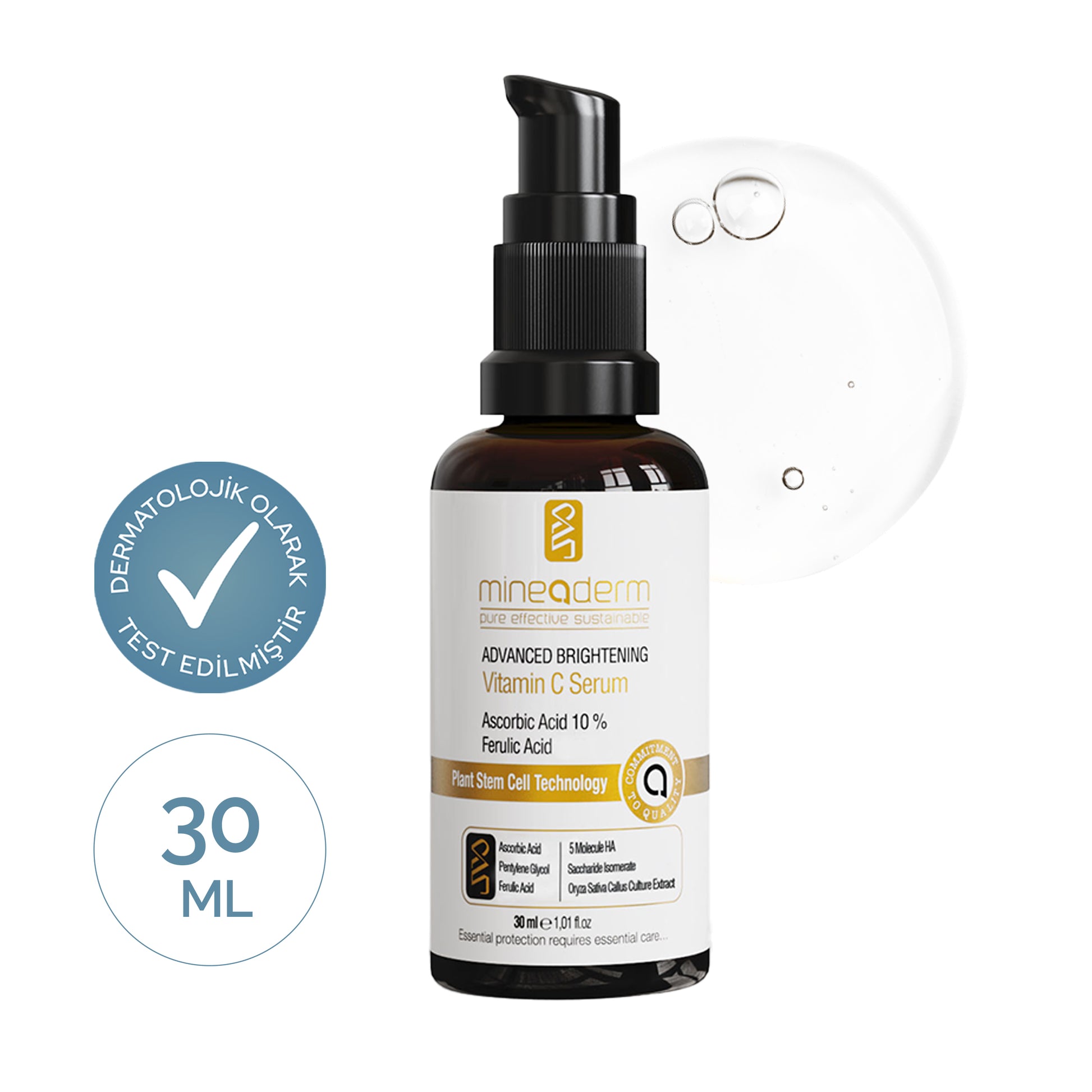
The antioxidant-rich Advanced Brightening Vitamin C Serum used in the morning, together with arbutin-containing care products used in the evening, are among the complementary steps of a routine that supports a brighter, more even-toned complexion. Daytime sunscreen, in turn, protects the skin from the sun's rays and supports the continuity of the whole routine.
Consistency is key. Visible results from skincare products generally emerge over time. That's why applying your routine steadily and making sun protection a daily habit is the soundest approach.
Frequently Asked Questions
Can sunscreen alone make dark spots disappear completely?
No. Sunscreens do not remove existing dark spots. But they help guard against the formation of new sun-related spots and support preventing existing ones from becoming more pronounced. To support an even skin tone, you can add skincare ingredients like vitamin C, niacinamide, or arbutin to your routine.
I work in an indoor office — do I still need sunscreen?
Yes. UVA rays can pass through glass, and skin near windows can continue to be exposed to the sun's rays. So if you spend a lot of your day by a window, using sunscreen is recommended.
Do I need sunscreen if I have dark skin?
Yes. Every skin tone can be affected by the sun's rays. Using sunscreen helps protect against the sun's effects regardless of skin tone. Uneven skin tone and dark spots can develop on darker skin tones too.
Is there a big difference between SPF 50 and SPF 100?
As the SPF number rises, so does the level of protection against UVB rays. But for everyday use, an SPF 50 sunscreen applied in the right amount and reapplied regularly provides a high level of protection for most people. That's why applying the correct amount and reapplying during the day matters greatly — regardless of the SPF number.
Should I apply sunscreen before or after makeup?
Sunscreen should be applied as the final step of your morning routine — after moisturizer, before makeup. When reapplication is needed during the day, sunscreens in spray or powder form can make it easier.
Beyond the Summary: The First Step You Can Take Today
A brighter, more even-toned complexion doesn't come from a single product — it comes from a routine applied consistently. By making sunscreen an indispensable part of your daily routine, you can protect your skin from the sun's effects and complete a care regimen that supports an even skin tone.
Regular use and a patient approach to skincare play an important role in reaching the visible changes you're hoping to see in your skin over time.
References
- American Academy of Dermatology — Sunscreen FAQs: aad.org
- American Academy of Dermatology — How to Apply Sunscreen: aad.org
- Mayo Clinic — Best sunscreen: Understand sunscreen options: mayoclinic.org
- Mayo Clinic — Melasma: mayoclinic.org
- Cleveland Clinic — Hyperpigmentation: clevelandclinic.org
- Cleveland Clinic — Melasma: clevelandclinic.org
- Harvard Health Publishing — The science of sunscreen: health.harvard.edu
Health note: This content is for general informational purposes and does not replace personalized medical advice. For stubborn spots, rapidly changing moles, or suspected melasma, consult a dermatologist.