
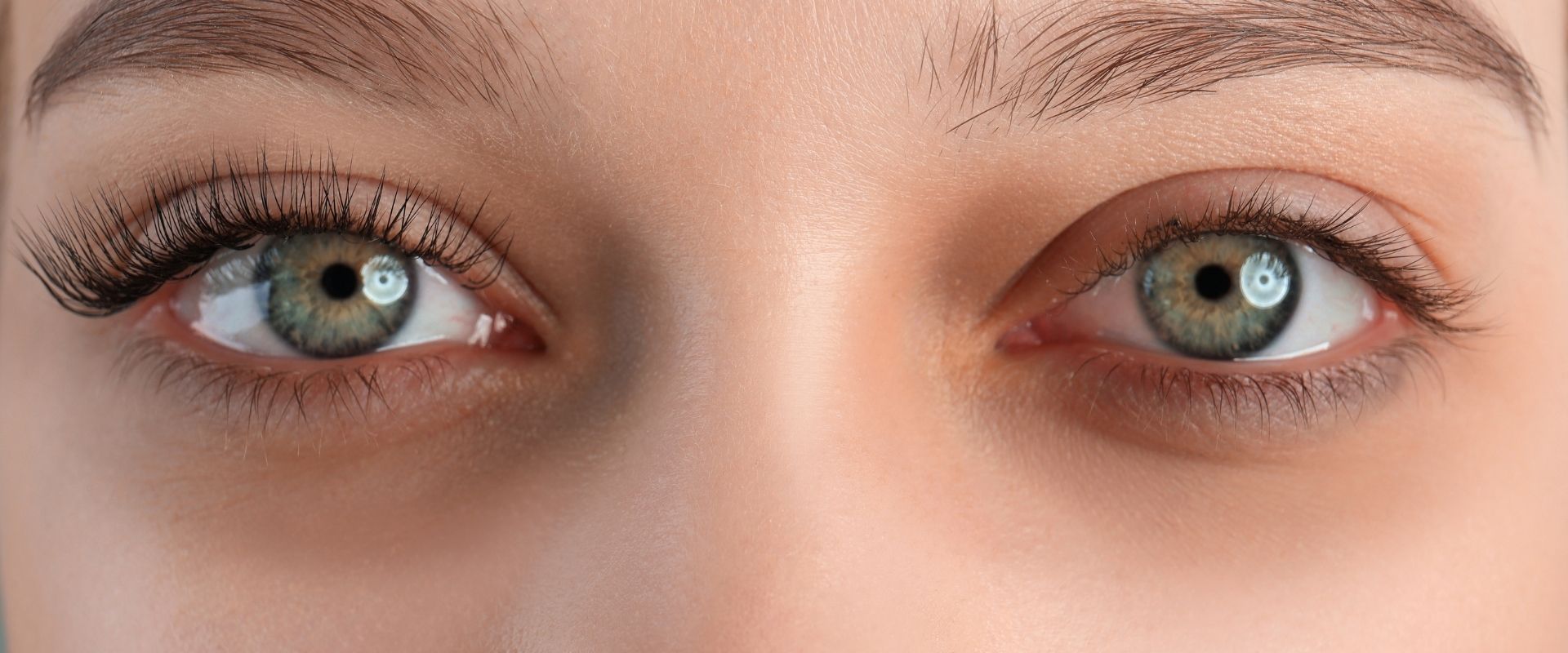
You look in the mirror in the morning. You actually went to bed early last night, and you feel rested. But your reflection tells a different story. That familiar gray-purple shadow under your eyes is there again. Sound familiar?
Dark under-eye circles are rarely just the price of one sleepless night. Genetics, lifestyle, allergies, iron deficiency — even the way you wash your face can contribute to the look. Here's the good news: once you understand the real cause, the steps you can take to soften their appearance are much closer than you think. In this article, we'll cover what dermatologists say and share concrete care tips you can try at home. Got your coffee ready? Let's begin.
Important note: This article is for informational purposes only and is not a substitute for medical advice. For persistent or sudden changes in under-eye color, please see a dermatologist.
What Are Dark Under-Eye Circles?
Dark circles are when the skin under the lower eyelid looks darker than the surrounding area. In medical literature, this is called "periorbital hyperpigmentation." The skin here is the thinnest on the body — in some spots just 0.5 millimeters thick. That means the blood vessels, muscles, and even color changes in the fat tissue underneath show through easily.
So what does that mean? It means this: sometimes the "darkness" isn't actually pigment at all. It's simply the blood vessels showing through thin skin. Other times, it's the opposite — genuine darkening caused by melanin buildup. The right care approach starts with telling these apart.
The Three Types of Dark Circles
They may all look alike, but dermatologists divide them into three types:
- Vascular type: Blue-purple tones. Caused by thinning skin and more visible blood vessels.
- Pigmented type: Brownish tones. Linked to excess melanin, sun damage, and genetics.
- Structural (shadow) type: A shadow created by under-eye hollowness or bone structure. Not really a "color" at all — just a trick of the light.
If the shadow fades when you look at the mirror from the side, it's probably structural. If the color lightens when you gently stretch the skin, it's vascular. If nothing changes, it's most likely pigmented. A simple test, isn't it?

What Causes Dark Under-Eye Circles?
Now we get to the heart of the matter. If you're facing the same reflection every morning, there's probably more than one cause. According to Mayo Clinic and the American Academy of Dermatology, the most common triggers are:
1. Genetics: Inherited from your parents
If everyone in your family has "tired-looking" eyes, your sleep schedule may not be to blame. Periorbital hyperpigmentation can be hereditary, especially in people of Mediterranean and Middle Eastern descent. You may simply have been born with thin skin and prominent blood vessels. Frustrating? A little. But there's plenty you can do to improve how it looks.
2. Lack of sleep and fatigue
A cliché, but true. Insufficient sleep makes the skin look pale. Pale skin makes the vessels underneath stand out more. The result: that familiar bluish shadow. Add some under-eye puffiness on top, and the picture is complete.
3. Aging and collagen loss
From your thirties onward, collagen production slows down. Skin gets thinner, fat tissue shifts, and the eye hollow becomes more pronounced. This is where anti-aging care comes in. It's also why dark circles in your forties don't respond to the same approach as they did in your twenties.

4. Allergies and nasal congestion
Most people don't know this one. Allergic rhinitis slows venous blood flow in the under-eye area. Blood pools, and a purple tint appears. Dermatologists call these "allergic shiners." If your dark circles get worse during pollen season, this is why.
5. Iron deficiency and dehydration
Low hemoglobin reduces the oxygen reaching your tissues. Skin turns grayish, and the vessels beneath it look darker. Not drinking enough water leads to the same place. Water directly affects the skin's elasticity and vitality.
6. Sun damage
UV rays trigger melanin production. Over the years, this turns into lasting brown patches in the under-eye area. If you're not using SPF, the sun is half the culprit behind your dark circles.
7. Rubbing too hard and improper makeup removal
Scrubbing off eye makeup roughly irritates the skin mechanically. Irritation stimulates pigmentation. Over the years, it can lead to lasting darkness. A gentle eye-area cleansing routine is a lifesaver here.

8. Screen time and blue light
If you're staring at a screen 10 hours a day, your eyes get tired, and the area can look puffy and worn out. Sound familiar?
Quick check: how many of the causes above apply to you? If it's more than three, the solution can't be reduced to a single cream. You need a holistic approach: sleep, nutrition, sun protection, and the right care routine all working together.
How to Soften the Look of Dark Circles
Now for the part everyone wants to know. And here I have to be honest: there's no overnight miracle. But a noticeable difference within weeks? Absolutely possible.
Natural Methods You Can Try at Home Right Away
Cold compresses
Steel spoons chilled in the fridge, cold green tea bags, or gel eye masks. Cold helps reduce the puffy look of the under-eye area and revives it. Five to ten minutes in the morning is enough. It costs nothing. And you feel the effect instantly.
Elevate your pillow
When you lie flat, fluid collects under the eyes. Morning puffiness guaranteed. Add one more pillow. Sleep slightly elevated. You'll notice the difference within a few days.
Don't skip the water
Two to 2.5 liters a day. No negotiating. When skin is well hydrated, the vessels beneath it look less pronounced.
Add foods rich in vitamins C and K to your diet
Red peppers, kiwi, broccoli, spinach. A balanced, colorful plate is part of an overall diet that supports skin health. (If you're considering vitamin supplements, talk to your doctor first.)
Evidence-Based Active Ingredients
- Caffeine: Helps reduce the puffy look of the under-eye area and gives the eyes a livelier appearance.
- Vitamin C (ascorbic acid): Helps reduce the look of uneven skin tone and lends a bright, radiant appearance.
- Retinol: Supports a smoother, younger-looking complexion.
- Peptides: Contribute to a firmer, plumper look.
- Niacinamide: Helps skin tone look more even and soothes this delicate area.
- Hyaluronic acid: Delivers an intense feeling of hydration, makes skin look plumper, and helps soften the appearance of shadows.
What makes the difference is having these actives formulated in the right proportions.
Mineaderm's Recommended Solution
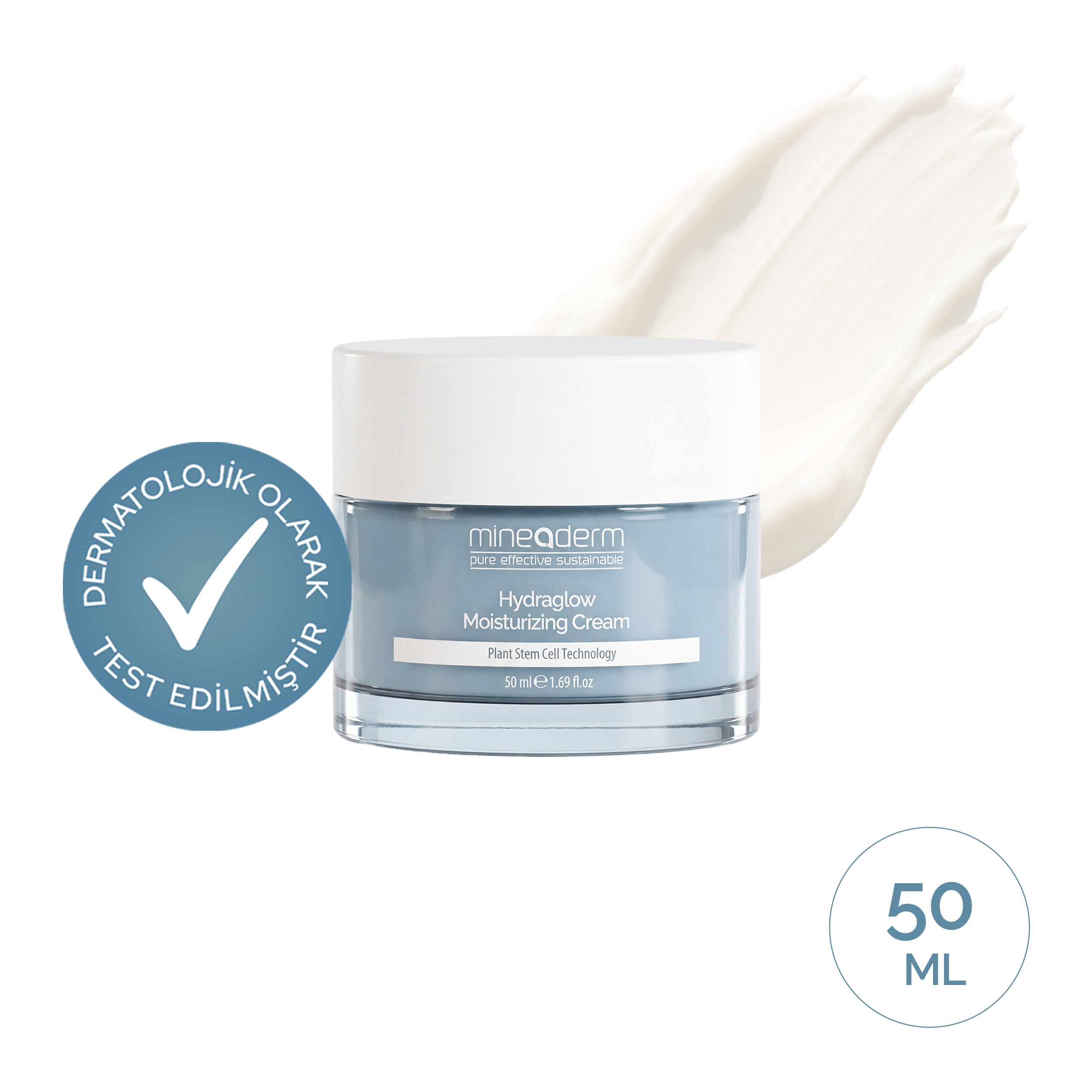
This is exactly where Mineaderm Dark Circle Restorative Eye Cream comes in. With caffeine, a peptide complex, and hydrating actives, it's designed to address both vascular and pigmented dark circles at once. Dermatologically tested. Morning and evening, dab it on gently with your ring finger and pat it in... It's that simple.

If fine lines and loss of elasticity accompany your dark circles, we recommend taking a look at Mineaderm's anti-aging collection. Retinol serums and peptide-rich creams are the pieces that round out your eye-area routine.
Frequently Asked Questions
Do dark circles ever go away completely?
It depends on the cause. Vascular and structural types can improve noticeably. The pigmented type calls for more patience, but with consistent sun protection and proper care, a visible brightening is achievable.
At what age should I start using an eye cream?
Starting at 25 for prevention is a smart move. If you already have a concern, age doesn't matter — start right away.
Does drinking coffee cause dark circles?
Excessive caffeine can lead to dehydration and affect them indirectly. Enjoy it in moderation, and drink plenty of water alongside.
Do dark circles look more pronounced in men?
Generally yes, because they're not covered with makeup. But for men who follow a care routine, the results are just as clear.
Does SPF really prevent dark circles?
Absolutely. UV is the biggest trigger of the pigmented type. Apply SPF 30+ every morning, even on cloudy days.
One Last Word:
Your dark circles didn't form overnight. Their appearance won't completely change in a week, either. But with the right actives, a consistent routine, and a good understanding of your own skin type, you'll see a difference in the mirror within 8-12 weeks. Give yourself that time. You deserve it.
What's the first thing you'll do when you wake up tomorrow morning? A cold eye gel from the fridge, a glass of water, and a smile at the mirror. Everything else starts from there.
References
1. Cleveland Clinic – [Dark Circles Under Eyes: Causes & Treatment](https://my.clevelandclinic.org/health/symptoms/24446-dark-circles-under-eyes)
2. Mayo Clinic – [Bags Under Eyes: Symptoms and Causes](https://www.mayoclinic.org/diseases-conditions/bags-under-eyes/symptoms-causes/syc-20369927)
3. American Academy of Dermatology – [How to Get Rid of Dark Circles](https://www.aad.org/public/everyday-care/skin-care-secrets/eyes/dark-circles-under-eyes)
4. Harvard Health Publishing – [What's causing those dark circles under your eyes?](https://www.health.harvard.edu/blog/whats-causing-those-dark-circles-under-your-eyes-2020012018673)
5. Journal of Cosmetic Dermatology – Vrcek I., Ozgur O., Nakra T. (2016). *Periorbital Dark Circles: A Review of the Literature and Treatment Strategies.* PMC – [NCBI](https://www.ncbi.nlm.nih.gov/pmc/articles/PMC5057731/)
6. British Association of Dermatologists – [Patient Information Leaflets](https://www.bad.org.uk/pils/)
7. WebMD – [Dark Circles Under Eyes: Causes and Treatments](https://www.webmd.com/beauty/dark-circles-causes-treatments)
8. National Library of Medicine – [Periorbital Hyperpigmentation: A Comprehensive Review](https://pubmed.ncbi.nlm.nih.gov/30197069/)
9. Mineaderm – [Dark Circle Restorative Eye Cream Product Page](https://mineaderm.com/products/dark-circle-restorative-eye-cream)
10. Mineaderm – [Anti-Aging Collection](https://mineaderm.com/collections/anti-aging)