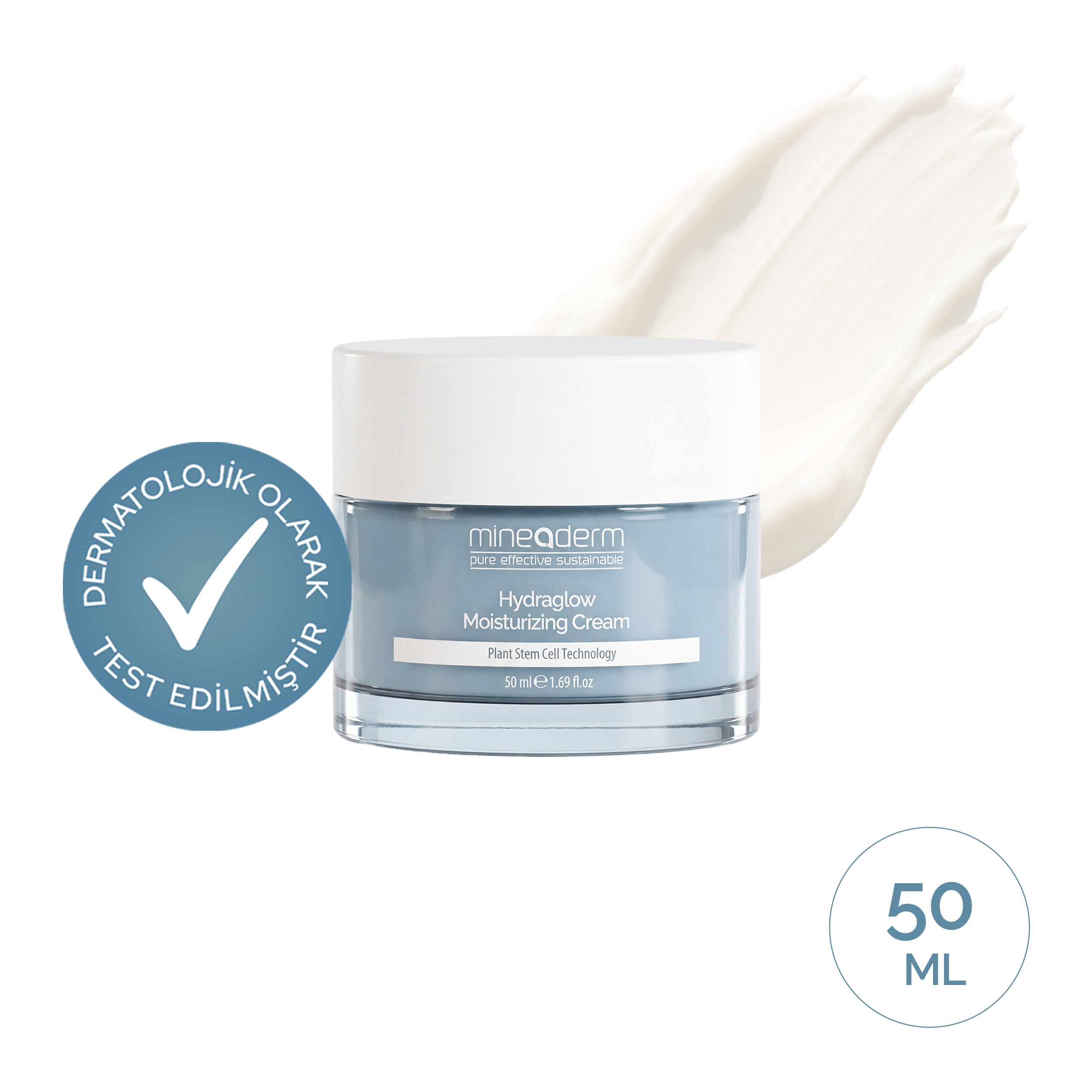


One of the most popular ingredients in skincare, hyaluronic acid, is a cornerstone of hydration and anti-aging care. When used correctly, this ingredient can significantly improve skin health.
In this guide, you will find clear, expert answers to questions like "What is hyaluronic acid?", "How do you use it?" and "Which ingredients does it pair with?"
What Is Hyaluronic Acid and What Does It Do?
Hyaluronic acid (HA) is a polysaccharide (a sugar molecule) found naturally in the human body, helping the skin maintain its moisture balance and elasticity. Its core job is to keep tissues lubricated and hydrated.
What makes this molecule unique is its ability to hold up to 1000 times its own weight in water. Acting as a "moisture magnet" (humectant) on the skin, it draws moisture from the environment and locks it in.
The key benefits of hyaluronic acid are:
-
Hydration: It carries moisture into the deeper layers of the skin and keeps the surface from drying out.
-
Plumping: By filling skin cells with water, it helps the skin look firmer and fuller.
-
Anti-Aging: It softens the appearance of fine lines and wrinkles.
-
Repair: It strengthens the skin barrier, offering protection against external stressors.

Can You Apply Hyaluronic Acid to Your Face?
Yes, hyaluronic acid can be safely applied to the face and neck. In cosmetics it usually comes as a serum, ampoule, cream, or toner. Depending on its molecular size, it penetrates different layers of the skin.
Can you use hyaluronic acid around the eyes? Yes, you can. The skin around the eyes is the thinnest and most prone to dryness. Hyaluronic acid is an ideal, safe ingredient for smoothing dehydration lines in this area and reducing a tired appearance.

Step by Step: What Should You Do Before Applying Hyaluronic Acid?
To get the most out of hyaluronic acid, the order of application is critical. Using it incorrectly (applying it to dry skin) can actually leave your skin drier.
The correct routine looks like this:
-
Cleanse: Wash your skin with a gentle cleanser.
-
Leave It Damp (The Critical Step): Do not towel your face completely dry. Hyaluronic acid holds water better when applied to damp skin.
-
Apply: Pat the serum into your slightly damp face with gentle dabbing motions.
-
Seal It In: What comes after hyaluronic acid? As soon as the serum is absorbed, always follow with a moisturizing cream. This step prevents the moisture from evaporating and locks it into the skin.

Ingredient Combinations: A Layering Guide
When it comes to layering in a skincare routine, hyaluronic acid is one of the most compatible ingredients out there.
Can You Use Vitamin C and Hyaluronic Acid Together?
Yes, this duo works beautifully together. Vitamin C brightens the skin and protects against free radicals, while hyaluronic acid soothes and hydrates.
-
Order: The recommended order of application is usually:
- Clean skin
- If pH sensitivity is a concern, vitamin C serum first
- Then a serum or moisturizer containing hyaluronic acid
- And as the final daytime step, always a broad-spectrum sunscreen.
Hyaluronic Acid and Retinol
Retinol is a powerful ingredient that tends to dry out the skin. Hyaluronic acid is a great ally for balancing out that side effect. Used before or after retinol, it can help improve your skin's tolerance.

Common Comparisons and Effects
Collagen or Hyaluronic Acid?
These two are not rivals — they complement each other.
-
Collagen: The structural protein that provides the skin's "framework" and firmness.
-
Hyaluronic Acid: The "filling fluid" that fills the spaces within that framework. You need collagen for firm skin, and hyaluronic acid for hydrated, plump skin. Most routines call for both.
Does Hyaluronic Acid Whiten the Skin?
No, hyaluronic acid has no direct skin-whitening effect. However, because it saturates the skin with moisture, it delivers a brighter, more radiant and lively appearance. Does it help with dark spots? The answer is indirect: by building a healthy skin barrier, it sets the stage for spot-correcting products to work better.
Is Hyaluronic Acid a Chemical?
Here, the word "chemical" does not mean synthetic or harmful. Hyaluronic acid is a chemical compound, but it is natural. Our bodies produce it biologically. The forms used in cosmetics are typically obtained through biotechnological fermentation and are skin-compatible.
Who Can Use It, and When Does It Start Working?
Which Skin Types Is It Suitable For?
-
Dry Skin: For intense moisture support.
-
Oily/Combination Skin: Its water-based structure hydrates without clogging pores.
-
Sensitive Skin: Safe thanks to its soothing effect. Because of its low irritation risk, it is usually well tolerated by sensitive skin; that said, a patch test is always recommended for new products.
When Does Hyaluronic Acid Show Results? It delivers surface-level comfort and plumpness the moment it is applied (instant effect). For a stronger skin barrier and reduced fine lines, however, 4-8 weeks of regular use is recommended.
Can You Use It at Night? Yes. Providing moisture support during the night, when the skin renews itself, is highly beneficial.
Frequently Asked Questions (FAQ)
1. Can you use hyaluronic acid every day? Yes, it can be used twice a day, morning and evening. It is a gentle ingredient, suitable for daily use.
2. Who should not use hyaluronic acid? It is suitable for nearly every skin type and age group. Its use is also generally considered safe during pregnancy and breastfeeding (consulting your doctor is recommended). On very sensitive or barrier-compromised skin, the risk of irritation may increase when it is combined with high-concentration or multi-layered active formulas; a slow, controlled introduction is advised.
3. Does hyaluronic acid cause breakouts? No, hyaluronic acid is not comedogenic (pore-clogging). Being water-based, it does not cause acne.
4. Should you apply toner before hyaluronic acid? Yes. Toner can be applied after cleansing. Since toner leaves the skin slightly damp, it creates the perfect base for a hyaluronic acid serum.
Sources
-
American Academy of Dermatology (AAD) - Skin Care Ingredients
-
Journal of Clinical and Aesthetic Dermatology - Efficacy of Hyaluronic Acid
-
Harvard Health Publishing - The Hype on Hyaluronic Acid
-
National Center for Biotechnology Information (NCBI) - Hyaluronic acid: A key molecule in skin aging