

You were thrilled when summer arrived. That tight feeling from winter, the flaky cheeks, the constant pulling — you thought it was all behind you. Then you notice your skin feels like paper after a swim. Your chin itches in the air-conditioned office. The cream you apply seems to evaporate into thin air. Sound familiar?
Here's the bad news: summer can be dry skin's sneakiest enemy. And here's the good news: build the right summer routine for dry skin and you can turn this season into a holiday for your skin instead of a nightmare. In this guide we'll go through everything — from shower gel to sunscreen, from your morning routine to your evening ritual — as if we were chatting over coffee with a friend. Ready? Let's begin.
Why Does Dry Skin Get Even Drier in Summer?
It sounds counterintuitive, I know. It's hot, we're sweating, the air feels humid. How can skin possibly dry out?
The answer hides in the details. Air conditioning is summer's number-one moisture thief. At the office, in the car, at home... that cool air we breathe all day actually pulls the humidity out of the room — and the water out of your skin. Experts point out that low-humidity environments directly weaken the skin barrier.
Now add the sea and the pool. Salt water and chlorine practically wash away that thin protective oil film on the skin's surface. And hours spent under the sun are the icing on the cake. Prolonged sun exposure lowers the skin's ability to hold moisture and, over time, deepens dryness.
So what does this mean? In summer, your skin is under attack on two fronts. It's losing water on one side while its protective oil shield melts away on the other. Our mission is clear: stop the loss and rebuild the shield.

Shower Gel for Dry Skin: This Is Where Things First Go Wrong
You may not like hearing this, but the biggest mistake in your daily routine is probably hiding in the shower.
You know those foamy, wonderfully scented, "refreshing" shower gels? Most of them contain harsh cleansers (sulfates). While removing dirt, they also strip away your skin's natural oils. If your skin feels tight and pulled the moment you step out of the shower, the culprit is most likely the bottle in your hand.
The American Academy of Dermatology recommends that dry skin be washed with lukewarm water rather than hot, using gentle, fragrance-free cleansers. So set aside those long, steamy hot showers. Your skin will thank you.
That's why in summer, choosing the right shower gel for dry skin is non-negotiable. We're looking for a formula that moisturizes while it cleanses — one that doesn't strip or peel. Mineaderm's Intensive Moisturizing Shower Gel for Dry and Very Dry Skin was designed for exactly this; it leaves a thin film of moisture on the skin as it cleanses.
One small golden rule: after showering, apply your moisturizer while your skin is still slightly damp, before it dries completely. The water gets sealed in beneath the moisturizer, and the effect multiplies. It's that simple.

Sunscreen for Dry Skin: Which Formula Actually Works?
Now for summer's absolute essential. Sunscreen is non-negotiable for every skin type. But for dry skin, the choice takes a little more finesse.
Why? Because many sunscreens on the market — especially the oil-free, matte-finish ones — turn dry skin into even more of a desert. You apply them and your skin flakes, makeup won't sit right, and you live with that tight feeling all day. What you need is both high protection and intense moisture.
The Skin Cancer Foundation emphasizes that a broad-spectrum sunscreen of SPF 30 or higher is the minimum standard for daily use. For dry skin, SPF 50+ formulas with moisturizing ingredients go one step further.
Mineaderm's Intensive Moisturizing Sunscreen SPF50+ steps in at exactly this point; it forms a shield against the sun's UVA-UVB rays while providing moisture support throughout the day. Two problems solved in a single product.

A few practical notes:
- Reapply sunscreen every 2-3 hours throughout the day, especially after swimming.
- Without using a finger's length (about 2 mg/cm²), you won't get the protection you're hoping for.
- Don't forget your lips. They dry out and suffer sun damage too. Carrying a moisturizing lip balm with you is a good idea.
Morning Routine for Dry Skin: Starting the Day Right
Mornings are rushed, I know. But a morning routine for dry skin lays the foundation for all-day hydration. Let's break it down into three steps.
1. Gentle Cleansing
Don't scrub your face with a harsh gel in the morning. Often, rinsing with lukewarm water is enough. If you want more, choose an alcohol-free, hydrating toner. Mineaderm's Cleansing Toner for Normal, Dry, and Sensitive Skin is tailor-made for the job.
2. A Moisture Bomb: Hyaluronic Acid
After cleansing, apply a layer of hyaluronic acid serum to damp skin. This molecule can hold thousands of times its own weight in water. It's like giving your skin a tall glass of water. The Intense Hydrating Hyaluronic Serum is ideal for this step.

3. Seal and Protect
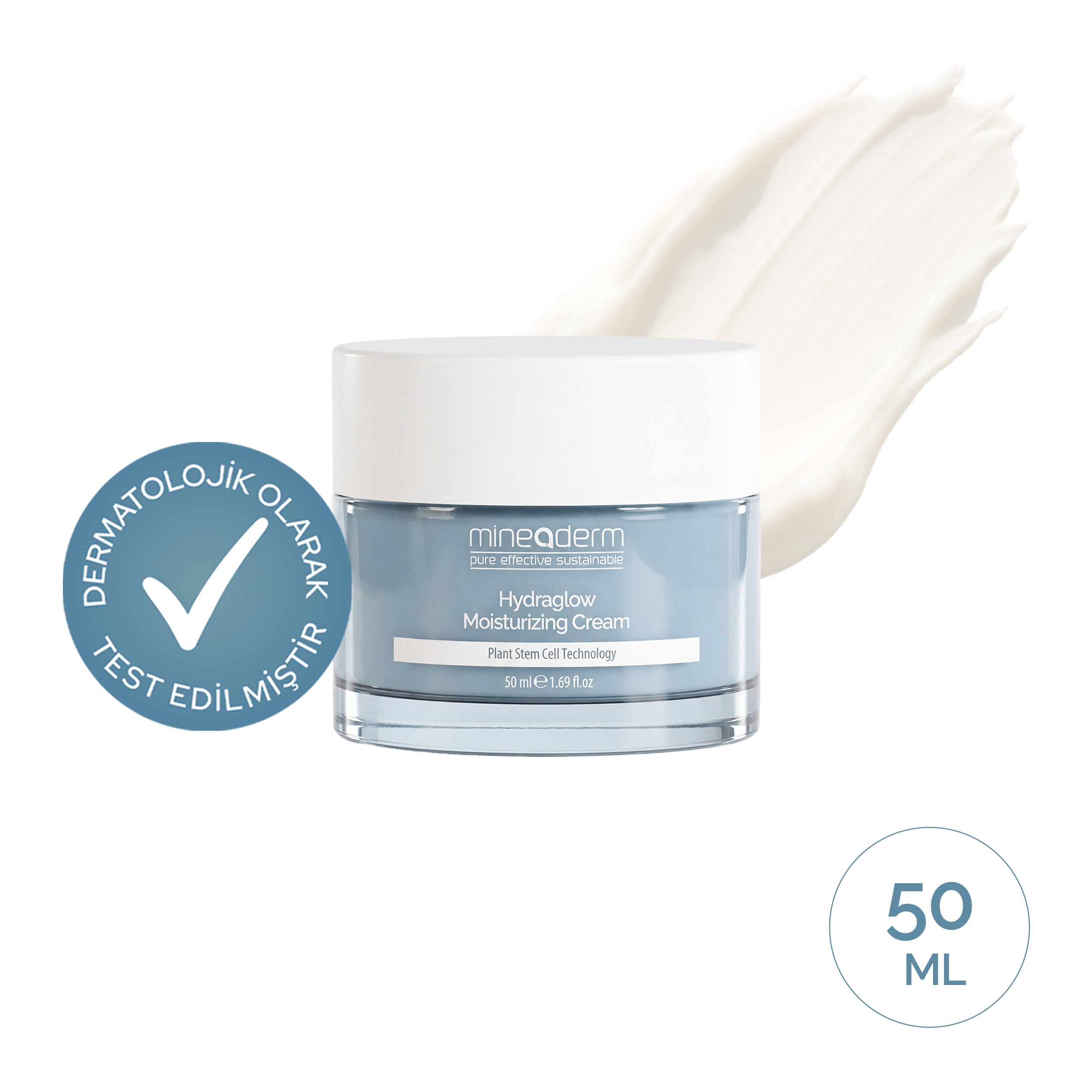
Serum alone isn't enough. You must apply a moisturizer on top, or that water will simply evaporate. A light yet satisfying Daily Moisturizing Cream will do the trick. And finally, the sunscreen we discussed above. It's the crown of your morning routine — never skip it.
Evening Routine for Dry Skin: Skin Repairs Itself at Night
Night is your skin's repair workshop. While you sleep, it renews itself and mends its cells. Our job is to support that process.
First, gently remove makeup and sunscreen residue. Then apply the serum-moisturizer duo just like in the morning. But the evening dose can be a bit more generous.
If your skin is very dry, layer a richer treatment over your regular moisturizer. Mineaderm's Intensive Moisturizing Balm for Dry and Very Dry Skin creates a protective layer that wraps the skin through the night. For sensitive skin, the Intensive Moisturizing Care Cream for Sensitive Skin is a more comfortable option.
If you'd rather reach for a ready-made set instead of collecting each step one by one, take a look at Mineaderm's Dry Skin Care Routine set or the broader hydration collection.

The Invisible Rules of Protecting Your Skin Barrier in Summer
A few details matter as much as creams do, yet they're often forgotten.
- Drink water. Skin hydration starts from within.
- If you can't escape the AC, place a small humidifier in your workspace.
- Shower after the sea. Salt dries on your skin and makes it feel tight. Rinse it off, then moisturize right away.
- Give up hot showers. As enjoyable as they are, they melt away the skin's oils.
See? This isn't complicated science. Change a few habits, choose the right products, and stay consistent. Your skin will show you the difference within a few weeks.
Frequently Asked Questions
Do I really need a moisturizer in summer?
Absolutely. In fact, for dry skin, a moisturizer is even more critical in summer. Air conditioning and the sun pull water out of your skin, and it's up to you to replace that loss from the outside.
What's the best sunscreen for dry skin?
SPF 50+, broad-spectrum formulas that contain moisturizing ingredients are the best fit. Steer clear of matte-finish, oil-free sunscreens; those are for oily skin.
Do I really need to change my shower gel?
If your skin feels tight and itchy after a shower, yes. Simply switching from sulfate-laden, harsh gels to gentle, moisturizing formulas makes a big difference on its own.
Can I use hyaluronic acid in summer too?
Of course. In fact, summer is an ideal season for hyaluronic acid. Just one important rule: apply it to damp skin and always seal it with a moisturizer on top, or it can backfire in dry air.
Should I use the same products morning and evening?
The core steps are similar, but your evening dose can be richer — and sunscreen belongs to the morning only. At night, let richer balms or treatment creams take over and leave your skin to repair itself.
References
- Mayo Clinic – Dry Skin: Symptoms & Causes: mayoclinic.org
- Mayo Clinic – Skin Care Basics: mayoclinic.org
- Cleveland Clinic – Dry Skin: my.clevelandclinic.org
- American Academy of Dermatology – Tips for Relieving Dry Skin: aad.org
- American Academy of Dermatology – Sunscreen FAQs: aad.org
- Skin Cancer Foundation – All About Sunscreen: skincancer.org
This content is for informational purposes only and is not a substitute for medical advice. If you're experiencing a persistent skin problem, consult a dermatologist.