
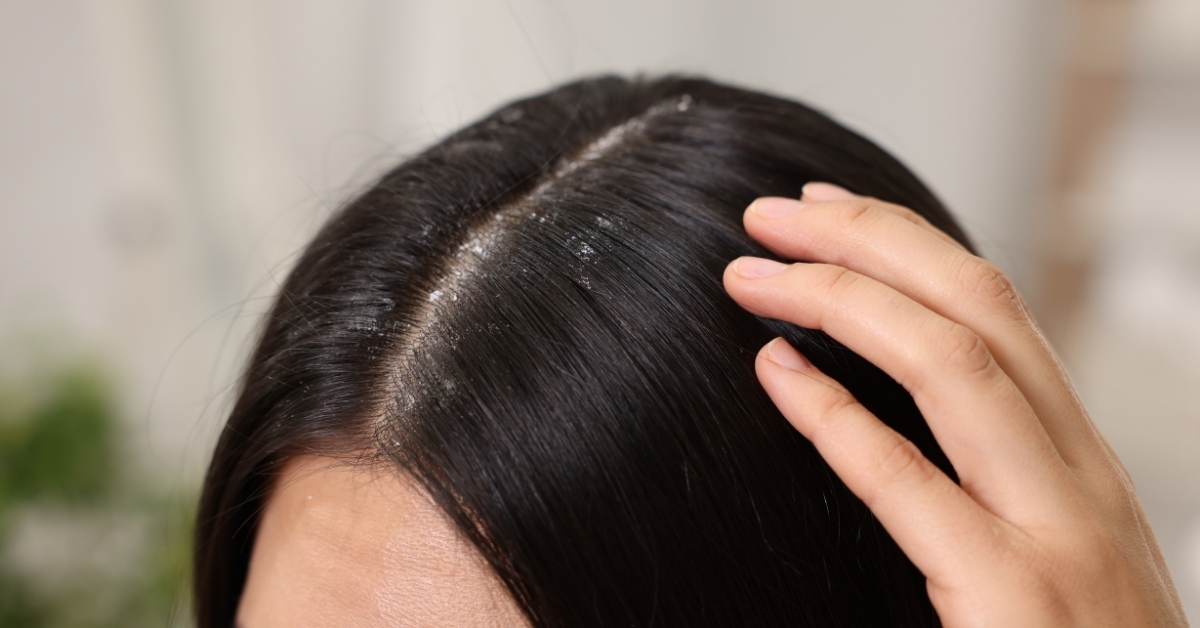
You put masks on your ends and try the priciest conditioners. But your scalp? Most of the time we treat it as nothing more than "the part that gets washed." Yet that's exactly where the secret hides. Scalp care is where shiny, full hair actually begins; every strand feeds from that skin, from that follicle. Itching, roots that turn greasy by midday, white flakes, a feeling of tightness... These are all your scalp's way of telling you something.
So why is something this important so neglected? Because no one ever taught us to think of our scalp as "skin" — just like our face. That's exactly what we'll do in this article. You'll get to know your scalp, figure out its type, and build a simple but effective routine you can follow at home. Ready?
Why Does Your Scalp Determine Your Hair's Future?
Think of it this way: how well would a seed grow in poor, dry, cracked soil? Your scalp is that soil. As Cleveland Clinic explains , every strand of hair emerges from a tiny sac in the scalp called a follicle . The health of that follicle directly affects the thickness, shine, and resilience of the strand it produces.
Your scalp is one of the areas of your body with the densest concentration of oil glands. It also has a microbiome of its own — a living ecosystem where friendly and unfriendly bacteria keep each other in balance. The American Academy of Dermatology emphasizes that scalp health is directly linked to hair growth. And when the balance breaks down? Dandruff, itching, excess oil, and even shedding come knocking.
So neglecting your scalp while spending a fortune on your ends is like replacing the carpet in a house with a leaking roof. Fix the source first.

First, Let's Get Acquainted: What Type Is Your Scalp?
The first rule of proper care is this: there is no universal "routine that works for everyone." You know whether your face is combination, dry, or oily, right? Your scalp works by the same logic. Which of the following sounds like you?
Oily Scalp
You washed it in the morning, and by evening it's gleaming at the roots. Sound familiar? An oily scalp comes from sebum glands working overtime. If your roots get greasy within a few hours of washing, your hair loses volume, and it itches often, you're probably in this group. The goal here is to purify the scalp gently, without drying it out.
Dry and Sensitive Scalp
Tightness, a pulling sensation, fine powdery flakes, sometimes redness... A dry scalp is usually triggered by harsh shampoos, hot water, and cold weather. Mayo Clinic notes that washing with very hot water weakens the scalp's natural oil barrier. With this type, staying away from harsh cleansers and protecting the moisture balance is essential.
Combination Scalp
Oily roots but dry ends? Very common. Especially with long hair, sebum can't travel all the way from root to tip. The result: a greasy base and dehydrated ends. This calls for a zoned approach — cleansing at the roots, moisture at the ends.
Sensitive / Dandruff-Prone Scalp
If white or yellowish flakes come with stubborn itching and redness, you may be looking at a scalp prone to seborrheic dermatitis. Be sure to check out our dandruff care guide where we cover this in depth; dandruff is a topic all of its own.

How to Start Scalp Care at Home? A Step-by-Step Routine
Here's where it really begins. It's not expensive products but the right order and consistency that make the difference. Once these five steps become habit, your scalp will start to change within weeks.
Step 1: Cleanse With the Right Shampoo, at the Right Frequency
Does washing every day wear hair out? The answer depends on your hair type. An oily scalp can be washed every other day — even daily if needed — with a gentle shampoo. For a dry scalp, 2-3 washes a week is usually enough. The critical point is what's in the shampoo: choose SLS/SLES-free formulas that won't irritate the scalp.
And one more thing: apply the shampoo not to your hair but to your scalp . Lather it at the roots and massage gently with your fingertips. The ends get cleansed during the rinse anyway.
Step 2: Massage With Your Fingertips
Don't skip this step. A scalp massage boosts blood circulation in the area, carrying more oxygen and nutrients to the follicles. In 2016, a small-scale study published in the journal Eplasty suggested that a daily 4-minute scalp massage may support hair thickness. And it's free. A few minutes in the shower is all it takes.
Step 3: Rinse With Lukewarm Water
I know — a steaming hot shower is a pleasure of its own. But your scalp doesn't enjoy it. Very hot water strips away the oil barrier, dries out the scalp, and aggravates itching. Wash with lukewarm water and do the final rinse with cool water. It tightens the roots and adds shine.
Step 4: Nourish Your Scalp
The job isn't done when the washing is. Just as you apply serum to your face, give your scalp some care too. An oil-free, lightweight scalp serum soothes micro-irritations, supports the area around the follicles, and preserves the moisture balance. Especially if you're dealing with shedding or thinning, this step may be the most valuable link in your routine.
Step 5: Protect It From Heat and the Environment
Blow dryers, curling irons, straighteners... They all put a strain on the scalp and the strands. Add the sun's UV rays on top. Using a heat protectant before styling is as important as shielding your hair from the summer sun. Protecting your scalp from the start is always easier than repairing it after the damage is done.

Learn to Read Labels: Ingredients Your Scalp Will Love
Do you check the back label before buying a product? Start now. Here are the heroes to look out for when it comes to scalp health:
- Piroctone Olamine (Octopirox): With its antifungal action, it regulates the yeast balance on the scalp and calms dandruff and itching.
- Salicylic & Glycolic Acid: Gently dissolve and "sweep away" dead cells and oil that build up at the roots.
- Zinc PCA: Balances oil production and refreshes the scalp.
- Panthenol (Provitamin B5): Moisturizes, reduces redness, and repairs the barrier.
- Procapil & Peptides: Strengthen the area around the follicle to provide support against shedding.
- Botanical extracts (tea tree, rosemary, nettle, ginseng): Offer soothing and antioxidant effects.
Don't look for all of these in a single product. Choosing what suits your hair type is much smarter than wanting everything at once.

The 4 Most Common Mistakes Made at Home
We've covered what to do. Now let's look at the traps, because most of us harm our scalp without realizing it.
- Rinsing the shampoo off right away. Shampoos with active ingredients need a few minutes of contact with the scalp. Lathering and immediately rinsing means washing your money down the drain.
- Slathering natural oils onto the scalp. Piling coconut or olive oil onto the roots sets a feast table for yeast on an oily scalp. Mayo Clinic is clear in its warning on this.
- Washing too often or too rarely. Both extremes are harmful. Find the balance that suits your hair type.
- Never touching the scalp — or fussing with it too much. Scratching with your nails irritates; gentle massage heals. The difference is in the fingertips.
Getting Started With Scalp Care With Mineaderm
You've met your scalp and learned the routine. Now it's time to match products to your hair type. Mineaderm's dermatologically tested, sulfate-free, and vegan dermocosmetic range makes this routine easier with formulas that treat the scalp "like skin."
For Oily Scalps
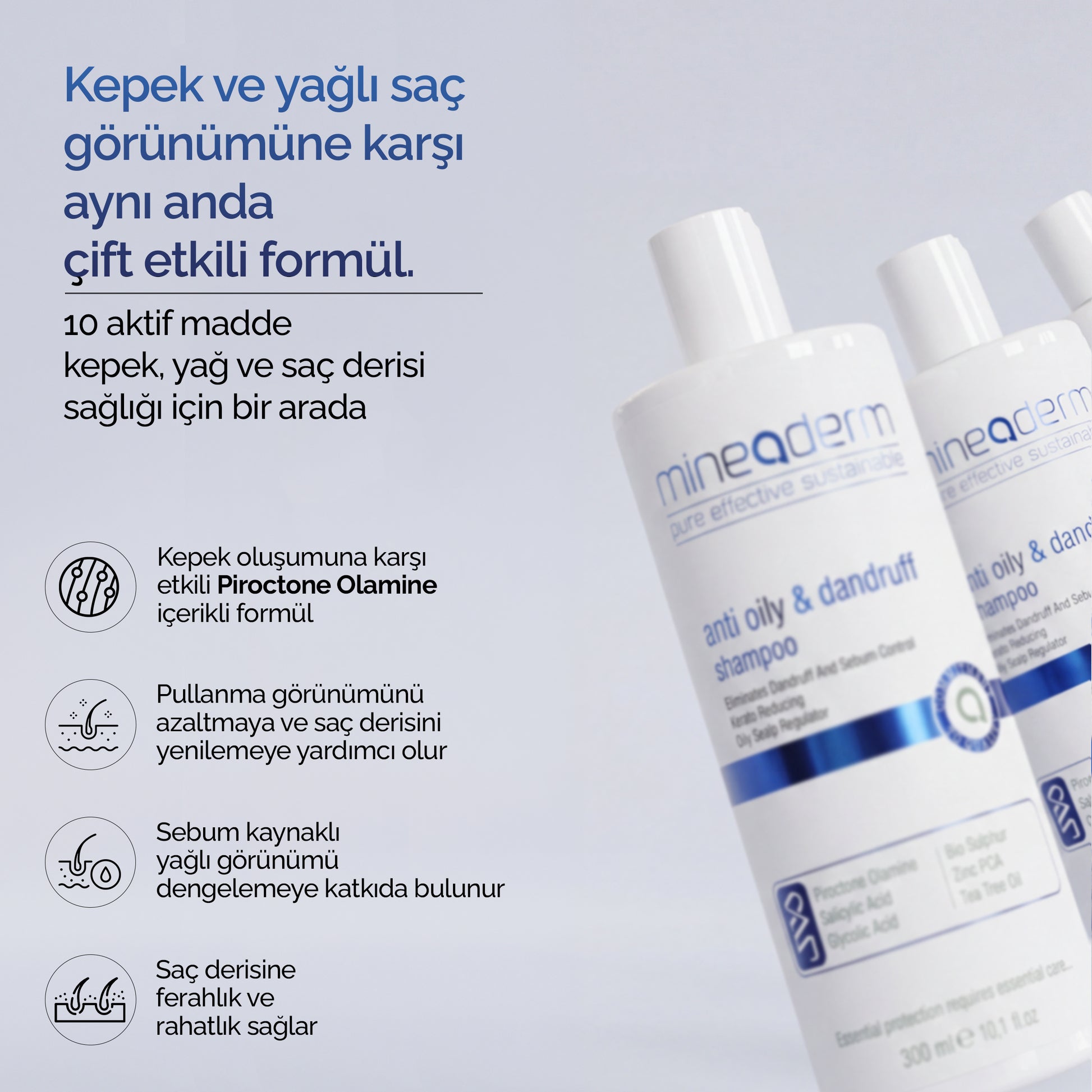
For hair that gets greasy at the roots and loses its volume by midday, there are two strong options. Anti-Dandruff Care Shampoo for Oily Hair; with piroctone olamine, salicylic and glycolic acid, and zinc PCA, it balances excess oil while working against flaking. If you'd prefer a lighter cleanse, the Detox Shampoo with tea tree oil and grape seed extract offers a weekly "detox" without wearing your hair out.
For Weak, Dull, and Damaged Hair
If your scalp is healthy but your strands look lifeless, the Strengthening Herbal Care Shampoo with argan oil, ginseng, and nettle extract brings vitality back to weakened strands. For moisture and repair after washing, the Anti-Hair Loss Care Cream; with almond oil, shea butter, and phyto keratin, it nourishes hair and makes combing easier.

For Those Experiencing Hair Loss
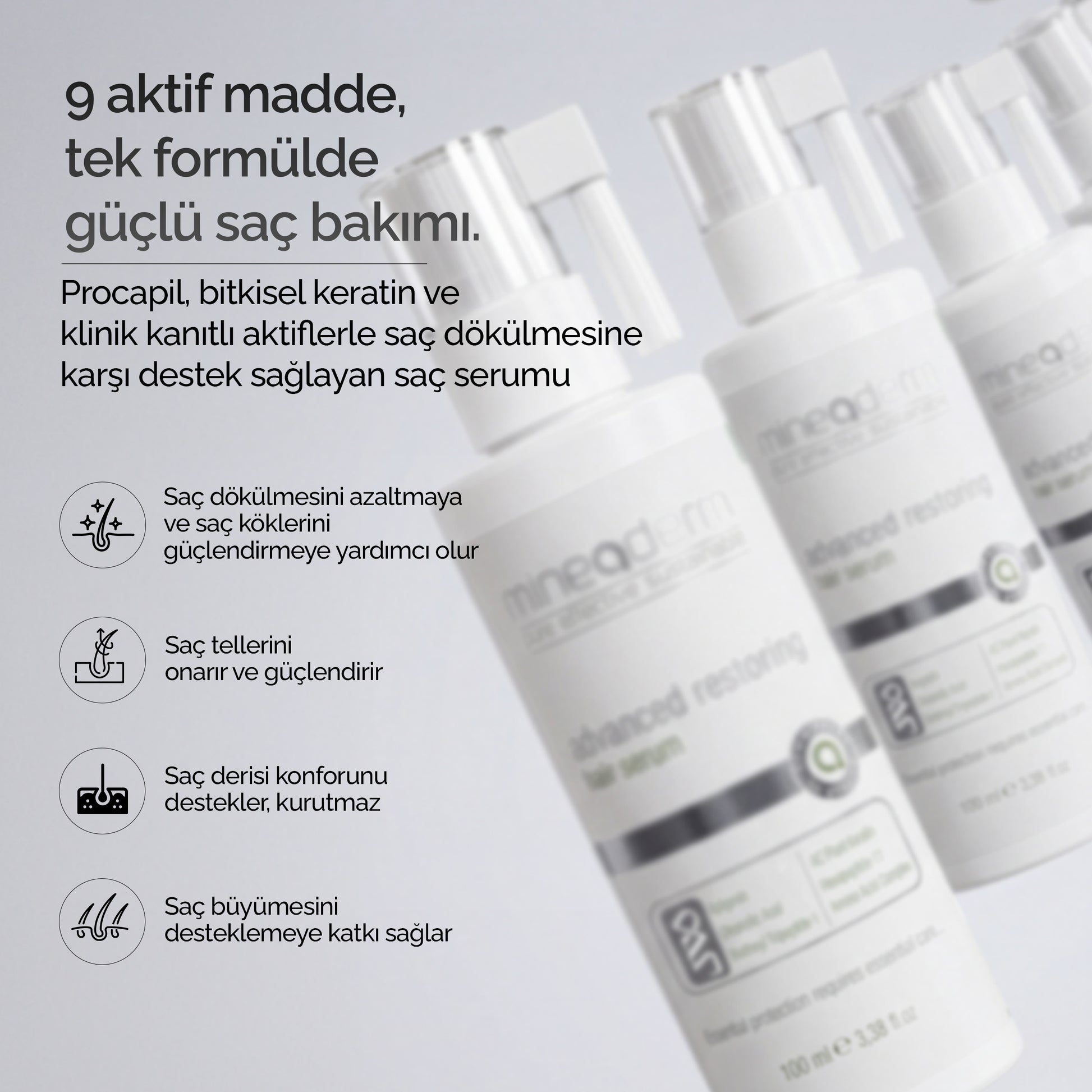
If you're noticing thinning and shedding, an anti-hair loss care routine comes into play here. The Anti-Hair Loss Care Shampoo with Procapil and phyto keratin supports the root area as it cleanses, while the leave-in Anti-Hair Loss Care Serum is applied directly to the damp scalp to strengthen the area around the follicles. Using it daily, or 3-4 times a week, is enough.
For Protection From Heat and Sun
If you blow-dry often, use a curling iron, or spend long hours in the summer sun, the Protective Serum Against Heat and UV Rays with grape seed extract and follicusan protects your ends against breakage and color fading. Apply it before styling and stay comfortable all day.

Frequently Asked Questions About Scalp Care
When will I see results from scalp care?
It takes patience. The hair cycle moves slowly; with a consistent routine, comfort signs like itching and oiliness improve within 2-3 weeks, while a visible change in hair quality usually takes 8-12 weeks.
Does washing hair every day damage the scalp?
It depends on how harsh the shampoo is. With a gentle, sulfate-free formula, an oily scalp can be washed every day. What really causes damage is harsh cleansers and very hot water.
Will a scalp serum make oily hair even greasier?
No — as long as you've chosen the right product. Oil-free, lightweight, leave-in serums don't weigh the scalp down; on the contrary, they help regulate the moisture-oil balance.
Should I exfoliate my scalp?
On scalps with dead cell and oil buildup, a gentle weekly exfoliation with ingredients like salicylic acid can be beneficial. But don't overdo it on a sensitive or dry scalp.
Is hair shedding seasonal?
Yes, a slight increase in autumn and spring is normal and usually temporary. Losing 50-100 strands a day is considered medically normal. If you're clearly above that, it should be evaluated.
Does stress really affect the scalp?
Absolutely. Stress alters sebum production and the immune response, and can trigger oiliness, dandruff, and a temporary type of shedding called telogen effluvium.
Give Your Scalp the Attention It Deserves
Healthy hair grows from a healthy scalp. It's that simple. The day you start treating your scalp as being as precious as your face, your hair changes too. The right shampoo, the right frequency, lukewarm water, gentle massage, and care suited to your hair type... That's the whole secret, in five points.
Get to know your scalp, choose the product that suits it, and stay consistent. Explore the Mineaderm hair care family and build your own starter routine today. Your scalp will thank you.
References
- American Academy of Dermatology – How to Care for Your Scalp: aad.org
- Cleveland Clinic – Hair Follicle: Anatomy & Function: my.clevelandclinic.org
- Cleveland Clinic – How To Get Healthy Hair: health.clevelandclinic.org
- Mayo Clinic – Hair Care: Tips for Healthy Hair: mayoclinic.org
- Harvard Health Publishing – Treating Female Pattern Hair Loss: health.harvard.edu
- Koyama T. et al. – Standardized Scalp Massage Results in Increased Hair Thickness (Eplasty, 2016): ncbi.nlm.nih.gov
- DermNet – Hair and Scalp Care: dermnetnz.org
- British Association of Dermatologists – Seborrhoeic Dermatitis: bad.org.uk
This content is for informational purposes only and is not a substitute for medical advice. For persistent or severe scalp complaints, be sure to consult a dermatologist.