
Skin minimalism — or, in the term you've probably been hearing a lot lately, skinimalism — is the philosophy of consciously cutting down the number of products in your skincare routine and focusing on a handful of ingredients with proven efficacy.
But be careful: this doesn't mean "use nothing." Quite the opposite — it means using the right thing, in the right amount.
Experts have been saying this for years: the essential steps your skin needs are cleansing, moisturizing, and sun protection. Anything beyond that is shaped by what your specific concern is — not by trying a different serum every single day.¹
So when did it all get so complicated? Social media. When "10-step routine" videos rack up millions of views on TikTok, we all start thinking "I should be doing this too." Meanwhile, your skin is exhausted by all the fuss.
The Skin Barrier: Where It All Begins
To understand skin minimalism, you first need to understand the skin barrier. Your skin's outermost layer, the stratum corneum, is only about 15 micrometers thick — yet it's an incredibly functional structure. It keeps harmful substances out and prevents water loss from within.²
What happens when this barrier weakens? Redness. Dryness. Sensitivity. Sudden breakouts. Your skin may even start overreacting to everything.
So what weakens this barrier?
- Harsh acids and high-concentration peels used too frequently
- Active ingredients that conflict with one another (like the vitamin C + niacinamide mistakes made in the same routine)
- Applying more layers than necessary
- Switching between different formulations morning and night
Research makes it clear: simplified routines give the skin barrier a chance to recover, reduce transepidermal water loss (TEWL), and improve overall skin health.³
What Does the Science Say? How Many Products Are Really Enough?
For most skin types, three steps are enough — cleanse, treat, moisturize.⁴ The foundation of a morning routine is cleanser, moisturizer, and sunscreen. At night, it's cleanser, a repairing serum, and eye cream.⁵
As the number of products goes up, so does something you don't want — the risk of allergies and sensitivity. Fewer products mean fewer chemical interactions and more predictable results.⁶
The Three Heroes of Skin Minimalism: Ceramide, Niacinamide, and Hyaluronic Acid
So when we say "less but better," what should that "better" be? There are three ingredients the dermatology literature emphasizes most.
1. Ceramides: The Building Blocks of Your Barrier
Ceramides form the lipid matrix of your skin's stratum corneum. By filling the gaps between cells, they prevent moisture loss and block irritants coming from outside.
Studies show that a ceramide deficiency is directly linked to atopic dermatitis, dry skin, and a weakened barrier.⁷ And the good news: well-formulated topical ceramides can close that gap.

2. Niacinamide (Vitamin B3): The Multitasking Champion
Apply niacinamide to your skin and you can handle many jobs with a single ingredient:
- Boosts ceramide synthesis (the barrier function we mentioned above)⁸
- Balances sebum production
- Reduces redness and hyperpigmentation
- Supports keratin production
Studies have shown that using a niacinamide serum for four weeks significantly increased skin hydration.⁹ And it's compatible with almost every skin type — which makes it ideal for a minimalist routine.
3. Hyaluronic Acid: The Guardian of Moisture
Able to hold up to a thousand times its own weight in water, this molecule hydrates the skin deeply. But an important note: don't leave it on its own. If you don't seal it in with a moisturizer, it can actually pull moisture out of the skin.
How Do You Build a Skin Minimalism Routine? A Step-by-Step Guide
Now let's get practical. The routine below is built on dermatology guidelines and scientific evidence.
Morning Routine (3 Steps)
1. Gentle Cleanser
In the morning, your skin carries the oil and bacteria that built up overnight. But that doesn't mean you need a harsh cleanser. On the contrary: choose a mild, pH-balanced cleanser free of barrier-disrupting sulfates.
Mineaderm's Brightening Daily Cleansing Foam, thanks to its gentle cleansing agents, purifies the skin deeply while helping maintain its oil and moisture balance — exactly the formula a minimalist routine is looking for.
2. Light Moisturizer or Serum
After cleansing, support the barrier. A moisturizer containing niacinamide or ceramides is ideal for this step.
3. Broad-Spectrum Sunscreen (SPF 30+)
Skipping this step means wasting everything else. According to experts, sun protection is the single most important preventer of skin aging and dark spots.¹⁰ Every morning — even when it's rainy.

Night Routine (3 Steps)
1. Double Cleansing (if you wear makeup)
First remove makeup with an oil-based cleanser or micellar water (Mineaderm Face and Makeup Cleansing Water). Then cleanse the skin with a foam or gel formula. Only this way is the dirt, sunscreen residue, and pollution built up over the day fully removed.
If your skin is acne-prone or oily, Mineaderm's Anti-Acne Sebum-Regulating Cleansing Gel is a strong option for the second stage of double cleansing. Its tea tree content purifies the skin without leaving a harsh feeling.
2. Active Ingredient Serum (3–4 nights a week)
You don't have to use an active serum every night. A few nights a week of niacinamide or a mild retinol serum is enough. Running as intense a program at night as during the day tires out the barrier.
3. Repairing Night Cream or Barrier Moisturizer
During sleep, the skin renews itself. A ceramide-supporting cream to fuel that process may be your best investment.
"But What About My Specific Concern?" — Personalizing Minimalism
Skin minimalism isn't one-size-fits-all. Here's how to adapt it to your skin type:
Sensitive Skin: Go for products with the shortest possible ingredient list. Choose fragrance-free, alcohol-free formulations. The Mineaderm Sensitive Skin Series is developed for this profile.
Oily / Acne-Prone Skin: Your choice of cleanser and moisturizer is critical. Don't fall into the "I don't need a moisturizer" trap — oily skin needs hydration too. Just choose non-comedogenic (non-pore-clogging) formulas.
Combination Skin: The T-zone and cheeks may have different needs. But that doesn't call for two separate routines. Ingredients that adapt to every area, like niacinamide, are lifesavers.
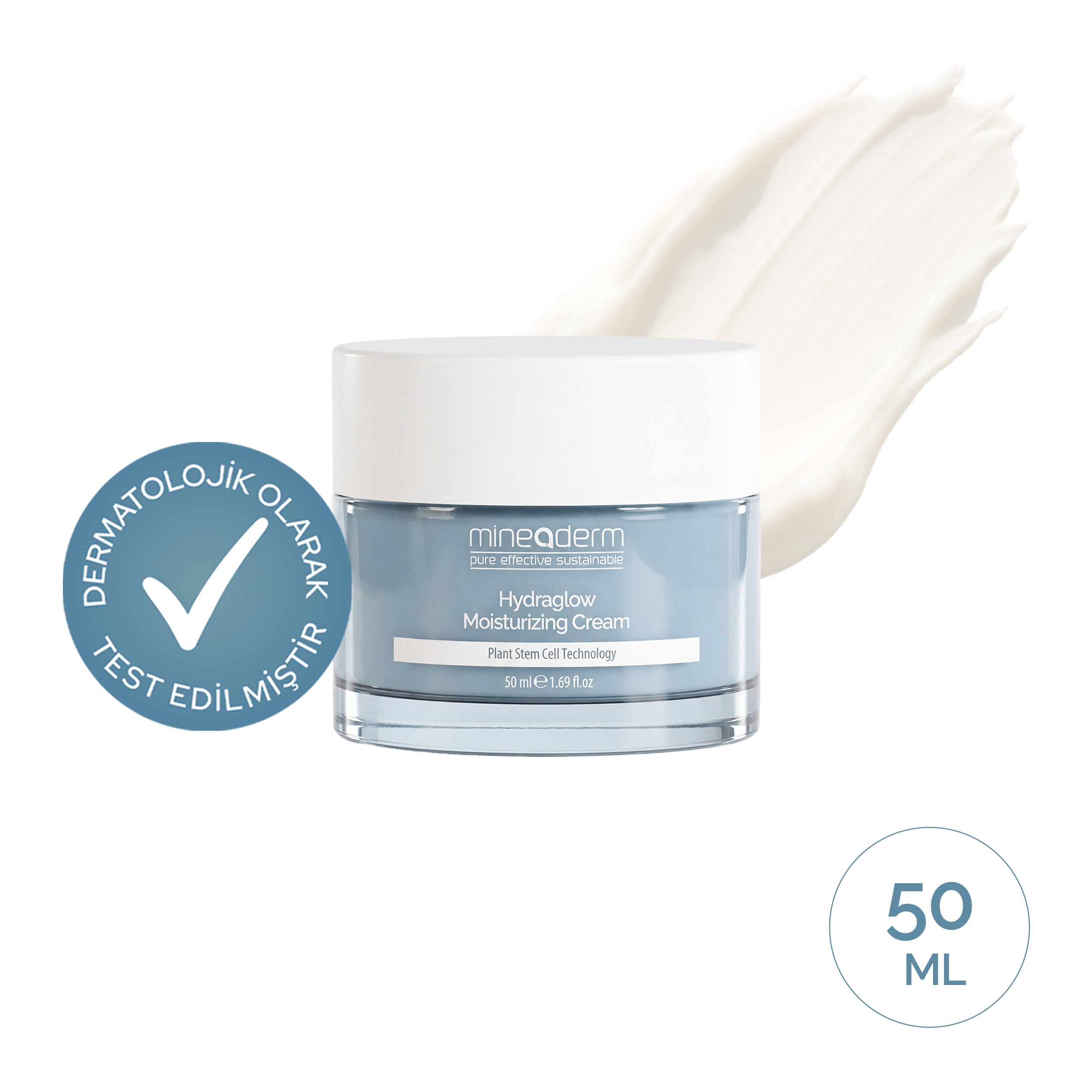
Dry / Mature Skin: The ceramide and hyaluronic acid duo is essential for you. The Mineaderm Moisturizing category includes products that offer these combinations.
4 Common Mistakes When Switching to Skin Minimalism
Mistake 1: Dropping everything at once Changing all your products in one go makes it impossible to tell what your skin is reacting to. Cut back gradually.
Mistake 2: Thinking "simple" = "cheap" Minimalism doesn't mean using low-quality products. It means using fewer but more effective ones.
Mistake 3: Skipping sunscreen "Is sunscreen really a must in such a simple routine?" Yes. Absolutely yes.
Mistake 4: Expecting instant results Repairing the skin barrier takes time. Dermatologists generally recommend waiting at least 4–6 weeks to evaluate the effect of a new routine.¹¹ Be patient.
Frequently Asked Questions
Is skin minimalism suitable for sensitive skin? Yes — in fact, it's one of the most recommended approaches for sensitive skin. Fewer ingredients = less risk of irritation.
How many products count as "minimalist"? Three in the morning, three at night — six products in total is quite enough. And if you use some active ingredients at night, the morning routine can be even shorter.
Can I use niacinamide and ceramide at the same time? Yes. These two ingredients complement each other; used together, the barrier repair effect is strengthened.
Should I give up peels and acids entirely? No. But keep it to no more than a few days a week and adjust the strength to your skin's tolerance.
Can skin minimalism be applied to hair too? Absolutely. Too many layers cause problems in hair care as well. The right shampoo + conditioner duo is often enough. For more, take a look at the Mineaderm Hair Care Series.

References:
-
Cleveland Clinic. (2026). Skin Care Trends: What's New and What To Avoid. https://health.clevelandclinic.org/skin-care-trends
-
Bouwstra, J.A. & Ponec, M. (2006). The skin barrier in healthy and diseased state. Biochimica et Biophysica Acta. https://pubmed.ncbi.nlm.nih.gov/16857408/
-
Topical Skin. (2025). Why Minimalist Routines Are Backed by Science. https://topicalskin.com/blogs/skincare-news/why-minimalist-routines-are-backed-by-science
-
SLMD Skincare. (2025). Minimalist Skincare: Dr. Pimple Popper on Why Less Is More. https://slmdskincare.com/blogs/learn/minimalist-skincare-routine
-
Mayo Clinic. (2025). Simple and Effective: A Skincare Routine for Healthy Skin. https://store.mayoclinic.com/education/a-simple-and-effective-skincare-routine-for-healthy-skin/
-
FCL Skincare. (2024). The Science Behind Skin Minimalism: Why It Works. https://fclskincare.com/blogs/blog/the-science-behind-skin-minimalism-why-it-works
-
Meckfessel, M.H. & Brandt, S. (2014). The structure, function, and importance of ceramides in skin and their use as therapeutic agents in skin care products. Journal of the American Academy of Dermatology. https://pubmed.ncbi.nlm.nih.gov/39113291/
-
Tanno, O. et al. (2000). Nicotinamide increases biosynthesis of ceramides as well as other stratum corneum lipids to improve the epidermal permeability barrier. British Journal of Dermatology. https://pubmed.ncbi.nlm.nih.gov/10971324/
-
Smejkal, M. et al. (2025). Topical Niacinamide in Daily Skincare: A 3-Week Real-World Cosmetic Study. Applied Sciences / MDPI. https://www.mdpi.com/2076-3417/15/17/9729
-
Mayo Clinic. (2024). Skin care: 5 tips for healthy skin. https://www.mayoclinic.org/healthy-lifestyle/adult-health/in-depth/skin-care/art-20048237
-
Boo, Y.C. (2021). Mechanistic Basis and Clinical Evidence for the Applications of Nicotinamide (Niacinamide) to Control Skin Aging and Pigmentation. Antioxidants. https://pmc.ncbi.nlm.nih.gov/articles/PMC8389214/
-
Draelos, Z.D. (2022). The science behind skin care: Moisturizers. Journal of Cosmetic Dermatology. https://pubmed.ncbi.nlm.nih.gov/17147561/
-
Scientific Reports. (2025). Niacinamide and its impact on stratum corneum hydration and structure. https://www.nature.com/articles/s41598-025-88899-0
-
Boston Derm Advocate. (2024). Simple Skincare Routine for Women – Dermatologist Guide. https://www.bostondermadvocate.com/science-of-skincare/skincare-routine-minimalist
-
PMC / NIH. (2021). Pilot Study on the Effects of a Cosmetic Serum Containing Niacinamide, Postbiotics and Peptides. https://pmc.ncbi.nlm.nih.gov/articles/PMC11727686/
This article is for informational purposes only. If you have a serious skin concern, we recommend consulting a dermatologist.