
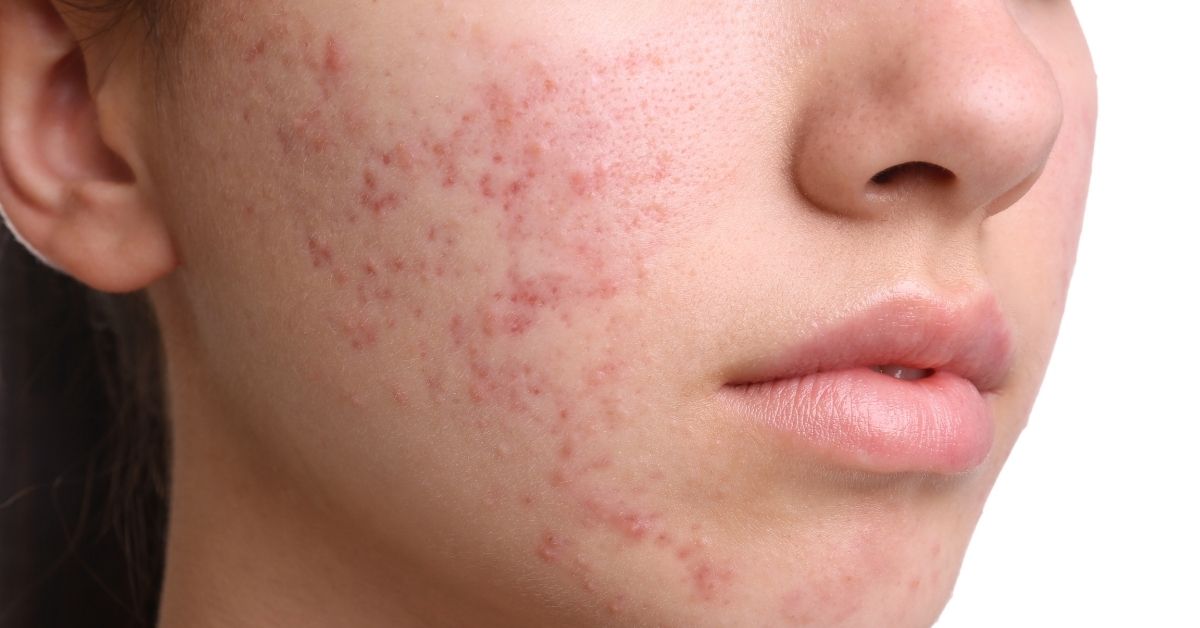
You woke up, looked in the mirror, and a new pimple has erupted on your face. Sound familiar? Then you immediately grabbed your phone and searched, “does tea tree oil help acne?” Millions of women do exactly this every day. But there's so much conflicting information online that you end up closing the page without deciding what to do.
Today we'll give you a straight, simple, scientific — but not boring — answer.
What Is Tea Tree Oil, and Why Is It So Popular?
Tea tree oil (scientifically, Melaleuca alternifolia oil) is obtained through steam distillation from the leaves of the tea tree native to Australia. It has been used as an antiseptic by Aboriginal Australians for centuries. But its entry into the modern skincare world is actually quite recent — it began to be taken seriously with the scientific studies of the 1990s.
So why is it so popular? Because its active compound, terpinen-4-ol, truly carries measurable antimicrobial and anti-inflammatory properties. This isn't marketing talk; it's a fact proven again and again in the lab.

What Does the Science Say? Tea Tree's Effect on Acne
Clinical Studies Really Do Exist
In an important study published in the Medical Journal of Australia in 2006, a 5% tea tree gel was compared with a 5% benzoyl peroxide lotion. The result? The tea tree gel didn't act as quickly as benzoyl peroxide — but its side-effect profile was much lower. Dryness, peeling, irritation: these are benzoyl peroxide's most common complaints. With tea tree, these problems decreased significantly.
More interesting still: a 2017 meta-analysis published in the Australasian Journal of Dermatology found that tea tree oil was significantly more effective than placebo in treating mild-to-moderate acne. The word “significantly” matters a lot here — it tells us this wasn't a statistical coincidence.
Why Does It Work? Here's the Mechanism:
There are three core processes in the formation of acne:
- Excess sebum production (oily skin)
- Clogged pores (dead skin cells)
- Overgrowth of the C. acnes bacteria (inflammation)
The terpinen-4-ol content of tea tree oil directly targets the Cutibacterium acnes (formerly Propionibacterium acnes) bacteria. It disrupts the bacterial cell membrane and stops proliferation. And by suppressing the NF-κB pathway, it reduces the release of inflammatory cytokines. In other words, it both kills the bacteria and reins in redness and swelling.
It's that simple.
3 Critical Mistakes People Make at Home
Okay, we've established that tea tree works. But here most women make the same mistakes and either get no results or damage their skin. Starting without knowing these is risky.
1. Applying Pure Oil Directly to the Skin
This is perhaps the most common mistake. Acting on the “natural = safe” logic, people press pure 100% tea tree oil onto a pimple with a cotton pad. No. Pure oil can seriously irritate the skin barrier, cause contact dermatitis, and even lead to burns. Mayo Clinic and the AAD (American Academy of Dermatology) issue clear warnings on this too.
2. Applying It Too Many Times a Day
The “the more, the better” logic doesn't work in skincare. Using it more than twice a day dries out the skin, disrupts barrier function, and can, paradoxically, lead to more oil production.
3. Choosing the Wrong Product Form
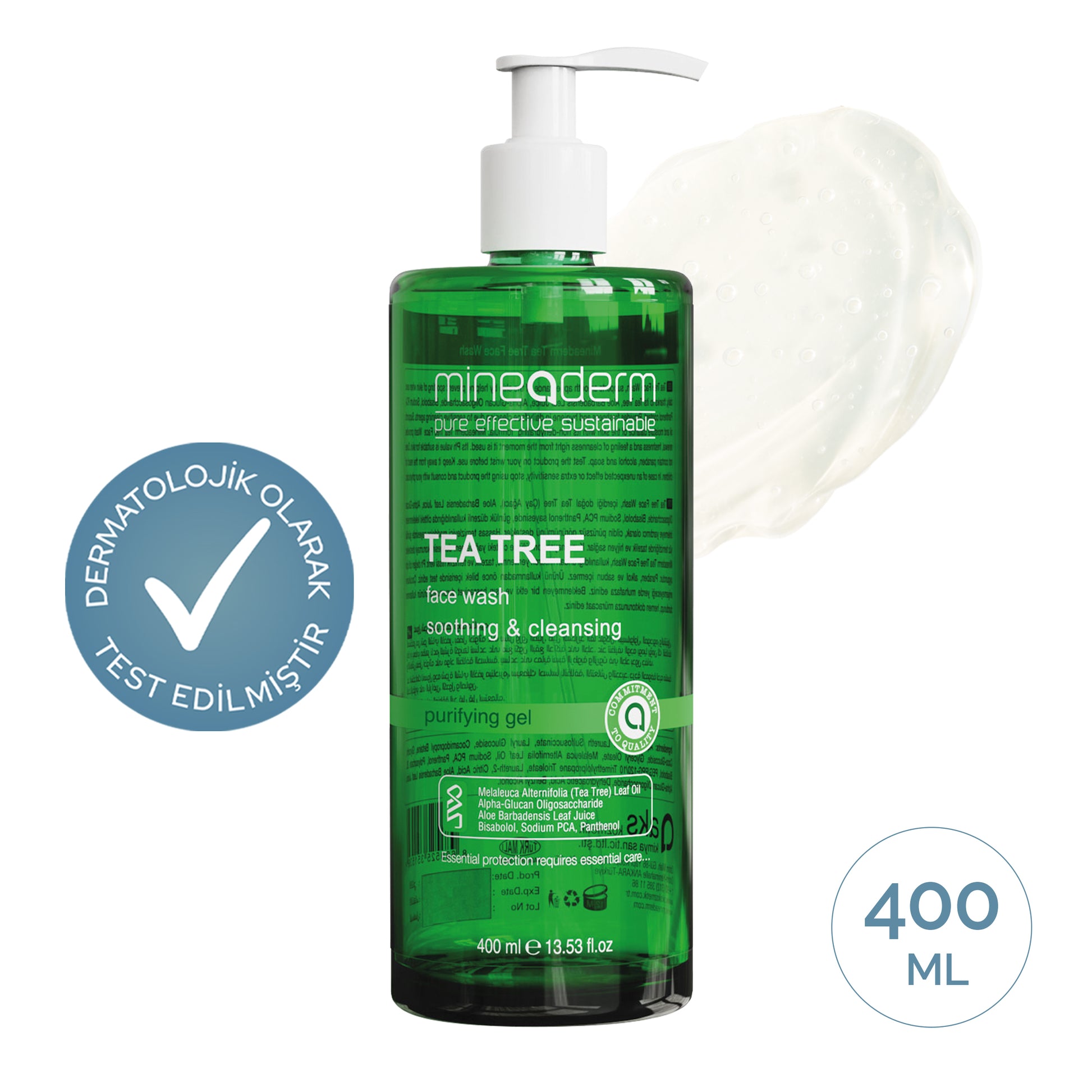
Those who use tea tree most effectively and safely in facial care opt for diluted face washes or spot treatments. A ready-formulated tea tree face cleanser, with its concentration already optimized, delivers results that are both effective and safe. For example, Mineaderm's Tea Tree Face Wash, formulated with a dermocosmetic approach, stands out as a clinically tested option that folds easily into a daily cleansing routine.
Is Tea Tree Suitable for Every Acne Type?
Short answer: No, not everything suits everyone.
Acne types with the best results:
- Mild to moderate inflammatory acne (red pimples, papules)
- Superficial, non-cystic lesions
- Combination skin with heavy problems in the T-zone
Situations calling for caution:
- Cystic or nodular acne — This is serious and requires professional treatment. Tea tree alone won't be enough.
- Very dry or sensitive skin — The risk of irritation rises; a low concentration combined with a moisturizer is essential.
- Pregnant and breastfeeding women — There isn't enough safety data; don't use it without a doctor's approval.
How Do You Integrate Tea Tree Into Your Skincare Routine?
Many give up saying “it doesn't work” before settling into a routine. Patience and the right order matter.
Sample morning routine:
- Gently wash your face with a tea tree face cleanser (leave on for 30 seconds, rinse)
- An alcohol-free toner or water-based serum
- A light, non-comedogenic moisturizer
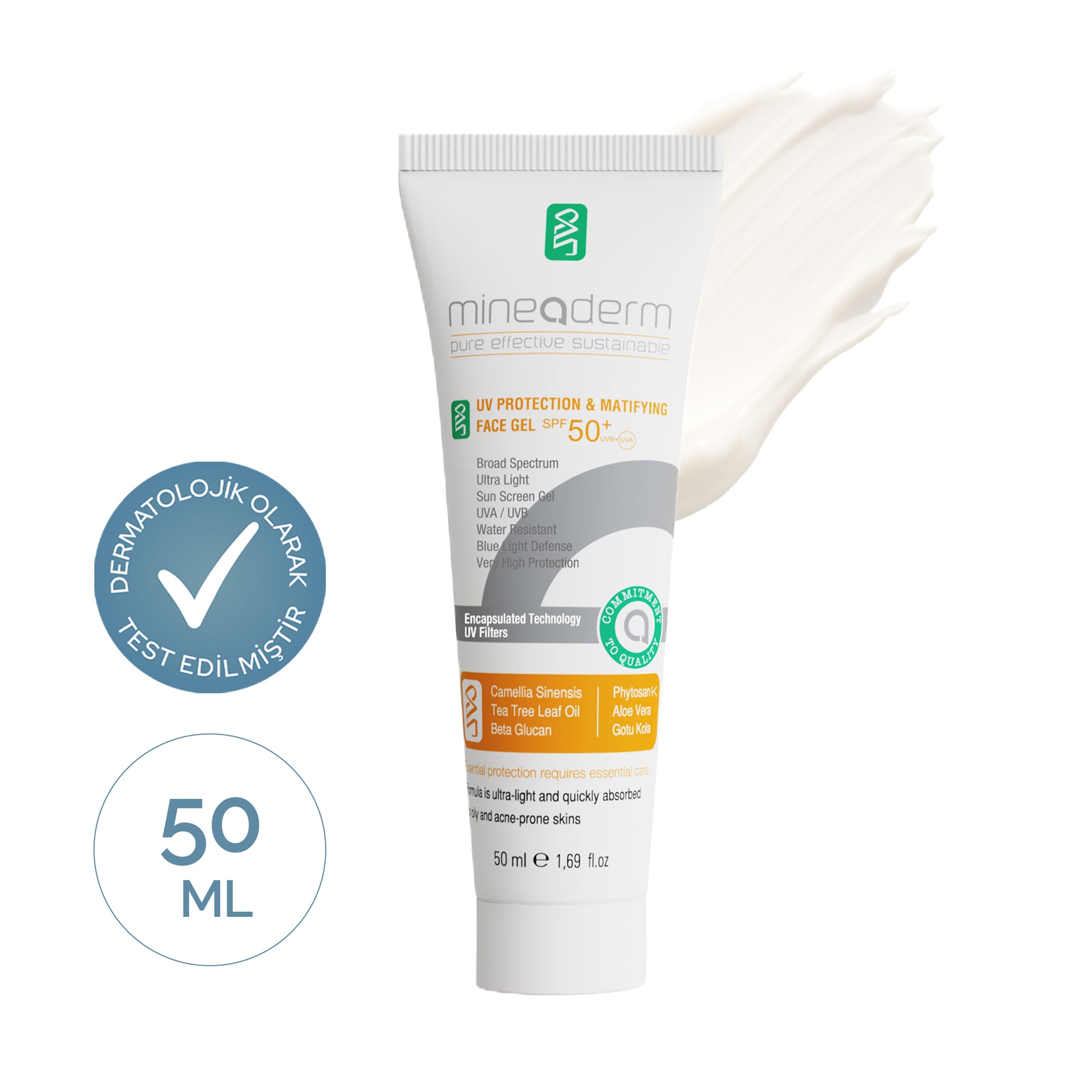
- SPF 30+ sunscreen — don't skip this step!
Night routine:
- Makeup remover / micellar water
- A second cleanse with the same tea tree cleanser
- Spot treatment: a small amount of tea tree gel on the blemished area only
- A light moisturizer or barrier-repair cream

Use it consistently. Don't say “it's not working” in the first week. Clinical studies evaluated results only after at least 4-6 weeks of use.
Benzoyl Peroxide, Salicylic Acid, or Tea Tree?
Everyone's asking this question. Let's make a quick comparison:
| Active | Mechanism of Action | Side-Effect Profile | Who It's For |
|---|---|---|---|
| Benzoyl Peroxide | Kills bacteria, oxygenates | High dryness, peeling | Moderate-to-severe acne |
| Salicylic Acid | Unclogs pores, exfoliates | Low-to-moderate irritation | Comedones, blackheads |
| Tea Tree Oil | Antimicrobial + anti-inflammatory | Low (in the right formula) | Mild-to-moderate inflammatory acne |
Tea tree's advantage is that it can be integrated directly into a face-cleansing routine for acne-prone skin. The others are generally used as leave-on products.
Sensitive Skin and Tea Tree: An Important Warning
The skin specialists at Cleveland Clinic recommend a 24-hour patch test on the inner arm before starting tea tree products. A small step, but it can save your skin from a big irritation.
Apply, wait 24 hours. If there's no redness, itching, or burning, you can use it on your face. Such a simple test can prevent many a bad experience.
FAQ: The Most Frequently Asked Questions About Tea Tree Oil
How long does tea tree oil take to clear pimples?
With mild lesions, a noticeable reduction can be seen within 3-5 days; for an improvement in overall skin appearance, 4-6 weeks of regular use is needed. Don't be impatient — skin renewal is not a fast process.
Does tea tree oil tighten pores?
It can't directly shrink pore size (no product truly does), but by reducing inflammation and sebum it can make pores look less pronounced.
Does tea tree work on neck and back acne too?
Yes, there are studies on areas beyond the face as well. For use over large areas especially, body wash formulas should be preferred.
References
- Enshaieh S, Jooya A, Siadat AH, Iraji F. “The efficacy of 5% topical tea tree oil gel in mild to moderate acne vulgaris: a randomized, double-blind placebo-controlled study.” Indian Journal of Dermatology, Venereology and Leprology. 2007. PubMed
- Bassett IB, Pannowitz DL, Barnetson RS. “A comparative study of tea-tree oil versus benzoyl-peroxide in the treatment of acne.” Medical Journal of Australia. 1990. PubMed
- Hammer KA. “Treatment of acne with tea tree oil (melaleuca) products: A review of efficacy, tolerability and potential modes of action.” International Journal of Antimicrobial Agents. 2015. PubMed
- American Academy of Dermatology (AAD). “Acne: Tips for Managing.” aad.org
- Carson CF, Hammer KA, Riley TV. “Melaleuca alternifolia (Tea Tree) oil: a review of antimicrobial and other medicinal properties.” Clinical Microbiology Reviews. 2006. PubMed