

Catalog


Type: Shampoo
Purifying Anti-Dandruff Shampoo for Oily Hair

Salicylic acid (BHA) is the only oil-soluble exfoliating acid — and this is what makes it unique. While AHAs work on the skin's surface, BHA can penetrate into the pore to help dissolve accumulated sebum and dead cells, supporting against the appearance of blackheads and breakouts. It's no surprise it's the first choice for oily, combination, and acne-prone skin.
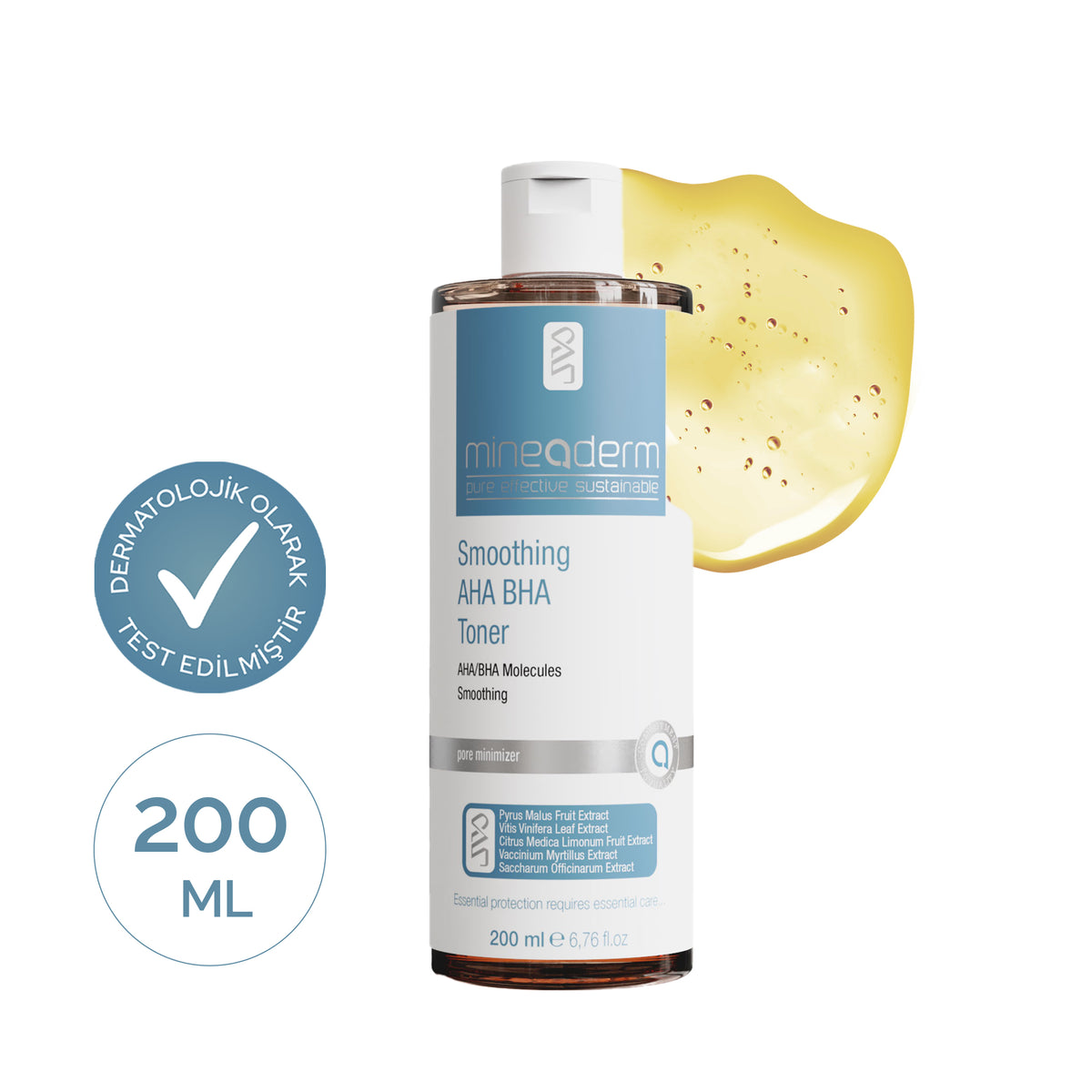
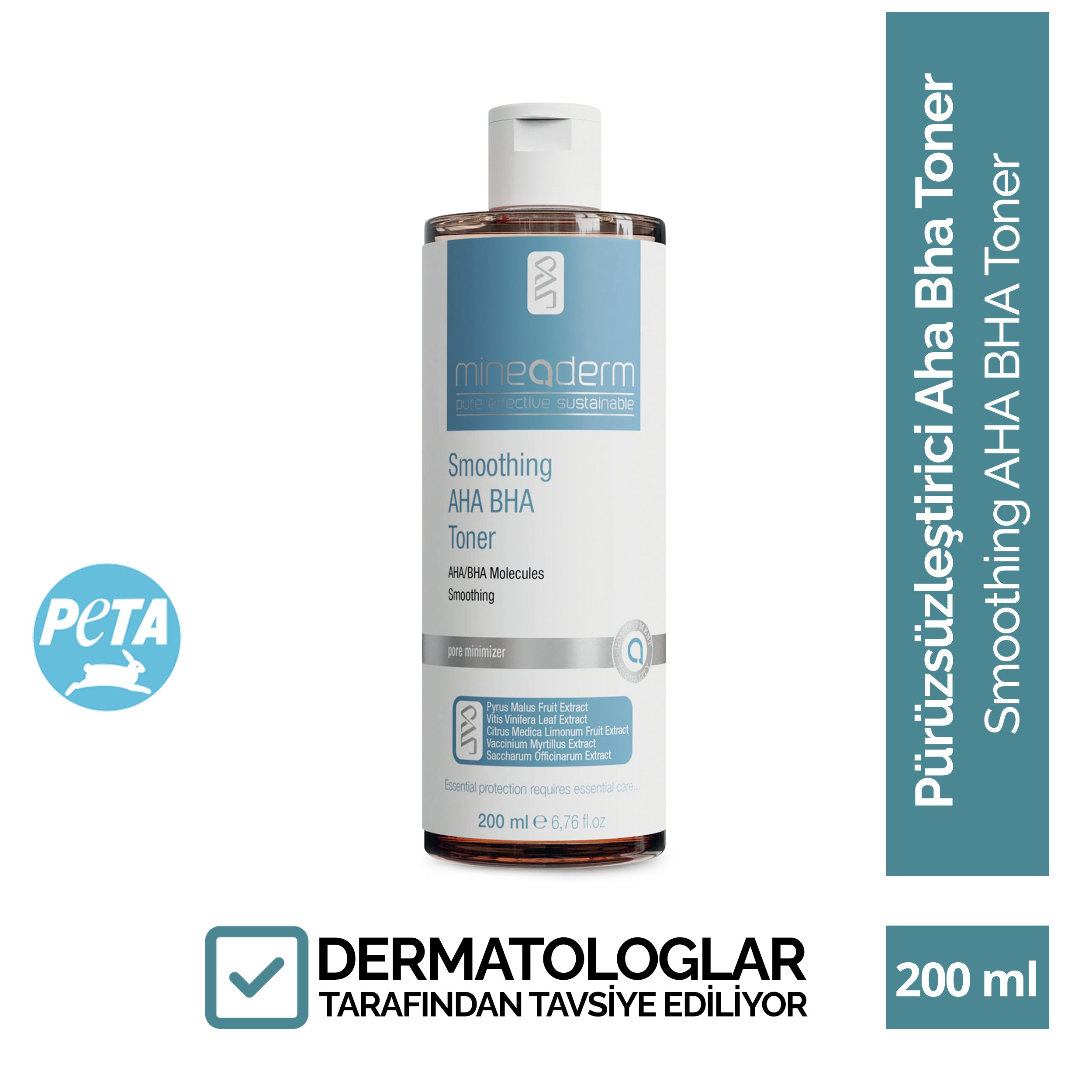
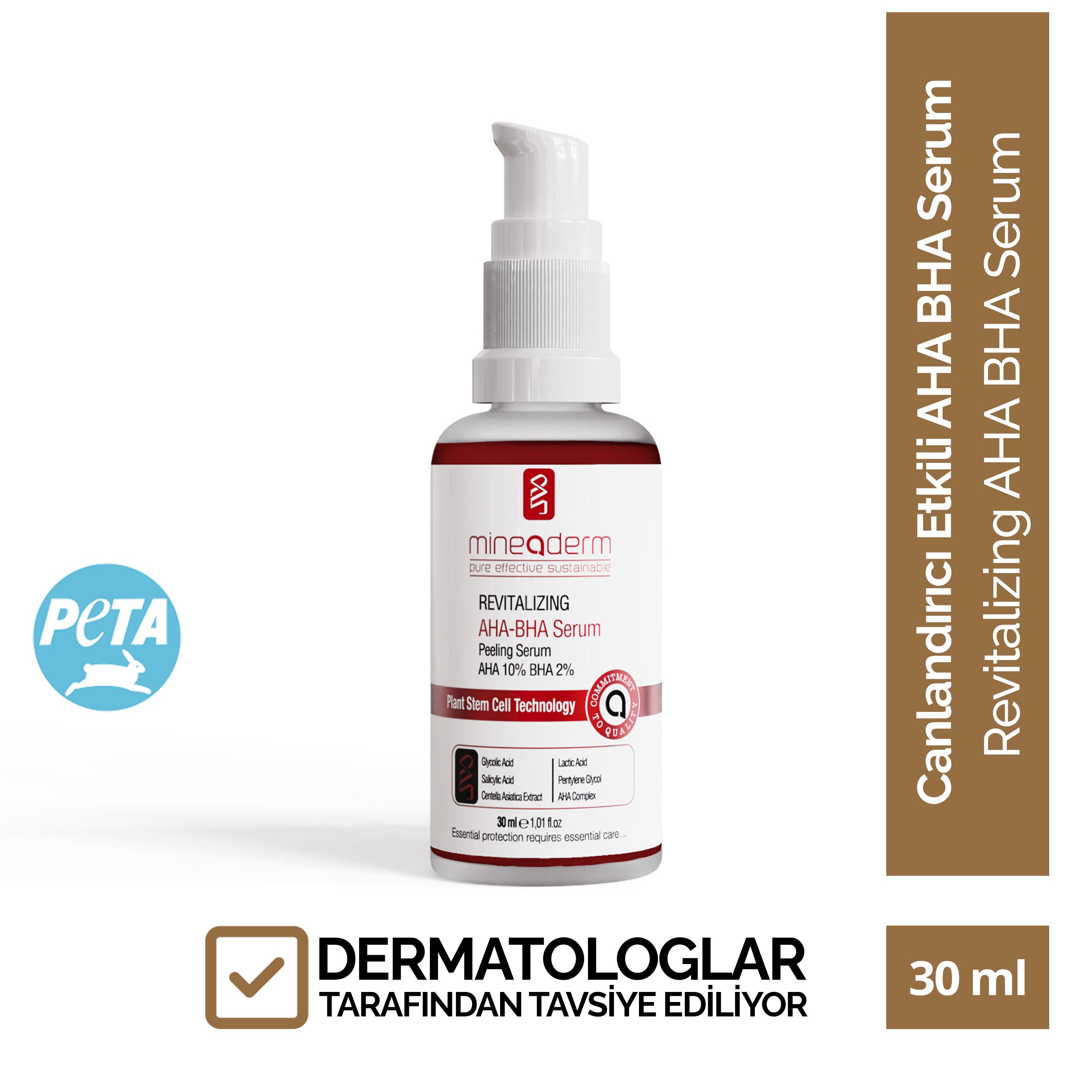
You'll find BHA in three forms in the collection: the Revitalizing AHA BHA Serum is for those seeking intensive care — together with glycolic acid, it targets both the surface and the pores. The Smoothing AHA BHA Toner adds exfoliation to the daily toner step after cleansing. The Anti-Dandruff Shampoo is salicylic acid's equivalent for the scalp: it helps reduce the appearance of dandruff on oily scalps.
Should BHA be used every day on acne-prone skin? It depends on tolerance — start with 2–3 nights a week. It works well with niacinamide; rather than pairing it with retinol on the same night, alternating use is more comfortable. And our classic rule: SPF 50+ in the morning is a must. Discover whether AHA or BHA is right for you in our What Is AHA BHA? guide.
Frequently Asked Questions
What does salicylic acid (BHA) do?
Salicylic acid is an oil-soluble exfoliant that works its way into the pore to help dissolve accumulated sebum and dead skin cells. Thanks to this quality, it's a go-to ingredient for blackheads, clogged pores, and acne-prone skin.
What's the difference between BHA and AHA?
AHAs (glycolic, lactic acid) are water-soluble and work on the skin's surface, helping to improve the look of tone and texture. BHA is oil-soluble and works inside the pore. BHA tends to stand out for oily/acne-prone skin, while AHA is often preferred for dull skin with uneven tone.
How often should salicylic acid be used?
The safest approach is to start with 2-3 uses per week, depending on the product's concentration, and increase based on your skin's tolerance. Using it on the same night as retinol may increase the risk of irritation, so it's best to split them across different nights.
Can sensitive skin use salicylic acid?
Most sensitive skin types can tolerate it, provided you start with a low-concentration, rinse-off format (like a cleanser). If redness or stinging occurs, reduce the frequency of use; if discomfort persists, discontinue use and consult a specialist.