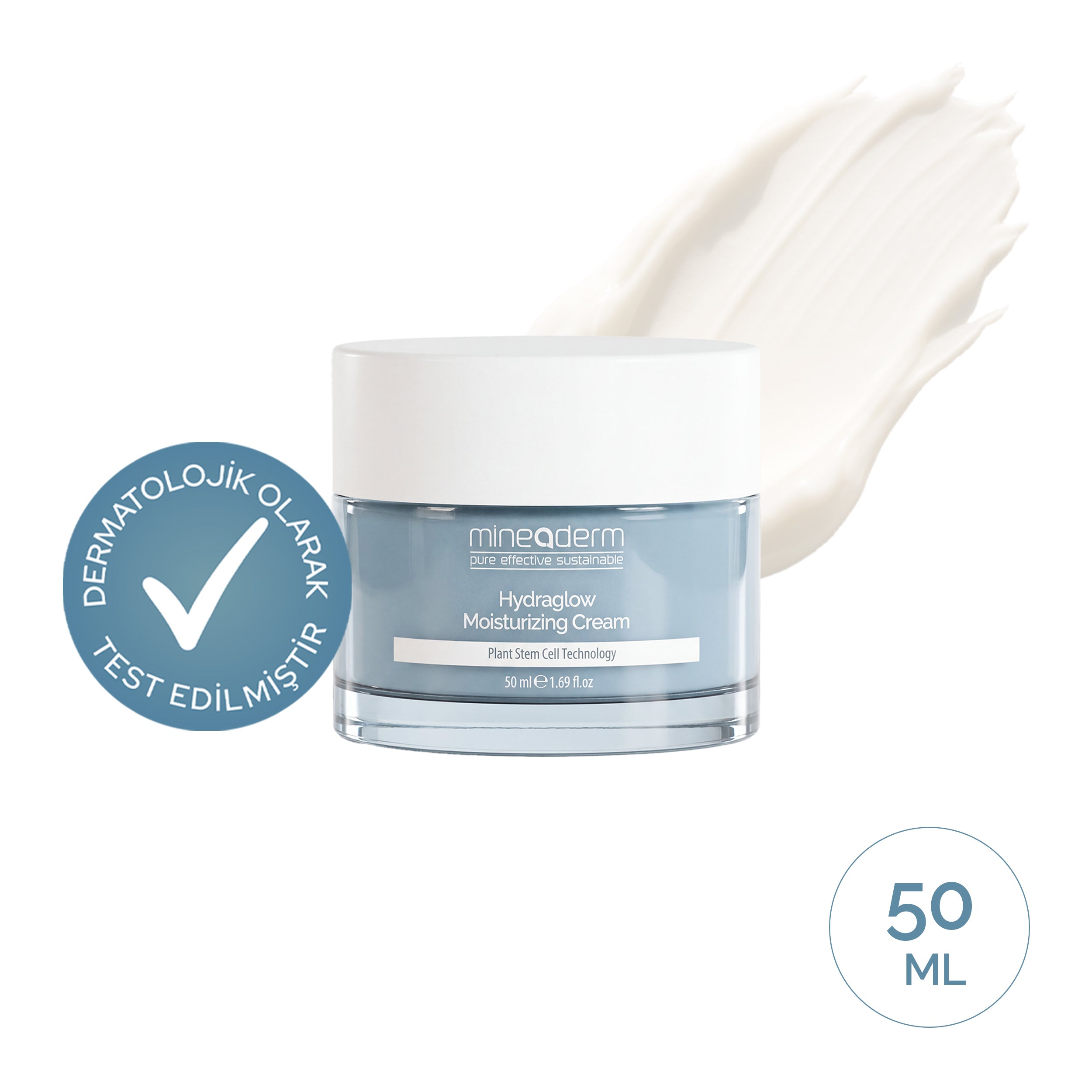

Oily Skin

Oily skin is a skin type where sebum production is higher than normal. Sebum is an oily layer that protects the skin from external factors; however, when overproduced, it can increase shine, the appearance of enlarged pores, and a tendency toward blackheads.
Scientific perspective:
Sebum production is influenced by hormones, genetics, environmental factors, and lifestyle. Regulating oil production in the skin improves not only its appearance but also overall skin health.
Why does oily skin occur?
Why does oily skin occur?
Oily skin results from the influence of hormones and genetic factors that regulate sebum production. In addition, stress, improper product use, and environmental factors can increase this production.
Are oily skin and shiny skin the same thing?
Are oily skin and shiny skin the same thing?
No. Shine is usually caused by excess sebum production; this appearance is a sign of oily skin. Having an oily skin type makes this oily appearance more noticeable.
Why are pores more visible on oily skin?
Why are pores more visible on oily skin?
Excess sebum production can build up within the pores, increasing the appearance of enlarged pores. This is especially noticeable in areas such as the T-zone (forehead, nose, chin).
What is the first step in oily skin care?
What is the first step in oily skin care?
The first step in oily skin care is gentle cleansing. Cleansing the skin too harshly can backfire and further increase sebum production; therefore, gentle cleansers with balanced pH should be preferred.
Does frequent washing reduce oil production?
Does frequent washing reduce oil production?
No. Excessive washing can disrupt the skin's natural oil balance, causing sebum production to increase even more. Gentle cleansing twice a day is sufficient.
Which ingredients are suitable for oily skin?
Which ingredients are suitable for oily skin?
Ingredients commonly recommended for oily skin care include:
• Niacinamide: Helps balance the appearance of pores and regulate sebum production.
• Salicylic Acid (BHA): Supports cleansing within the pores.
• Hyaluronic Acid: Provides moisture support without increasing the appearance of oiliness.
• Antioxidants: Support skin health and help reduce the effects of environmental stress.
When used together, these ingredients may increase the feeling of balance and comfort in the skin.
How can shine be kept under control on oily skin?
How can shine be kept under control on oily skin?
Shine is related to sebum production and oil buildup on the surface. Gentle cleansing and regular care with ingredients that support sebum balance help keep the shiny appearance under control.
How should pores be cared for?
How should pores be cared for?
When caring for pores, it is important to cleanse the skin without over-drying it and to renew it regularly. Instead of physical exfoliants, low-concentration BHA/AHA ingredients should be preferred; these ingredients gently dissolve congestion within the pores.
Why can the tendency for breakouts increase on oily skin?
Why can the tendency for breakouts increase on oily skin?
Excessive sebum buildup can contribute to clogged pores and, as a result, a tendency toward breakouts. Regular cleansing and sebum balancing may help, but for serious acne concerns, a dermatological evaluation is recommended.
Is moisturizing necessary for oily skin?
Is moisturizing necessary for oily skin?
Yes. Oily skin should be moisturized with lighter
formulas. Moisturizer supports the skin barrier and
limits the backlash effect on sebum production.
Does makeup make oily skin worse?
Does makeup make oily skin worse?
Heavy and comedogenic (pore-clogging) formulas can feel heavy on oily skin. Choosing non-comedogenic, lightweight-textured products reduces the load on the skin.
In which cases should a dermatologist be consulted?
In which cases should a dermatologist be consulted?
• Noticeable breakouts along with excessive oil production
• Pus-filled or red lesions around the pores
• Spontaneous bleeding or itching
In such cases, a dermatological evaluation is the most appropriate approach.