
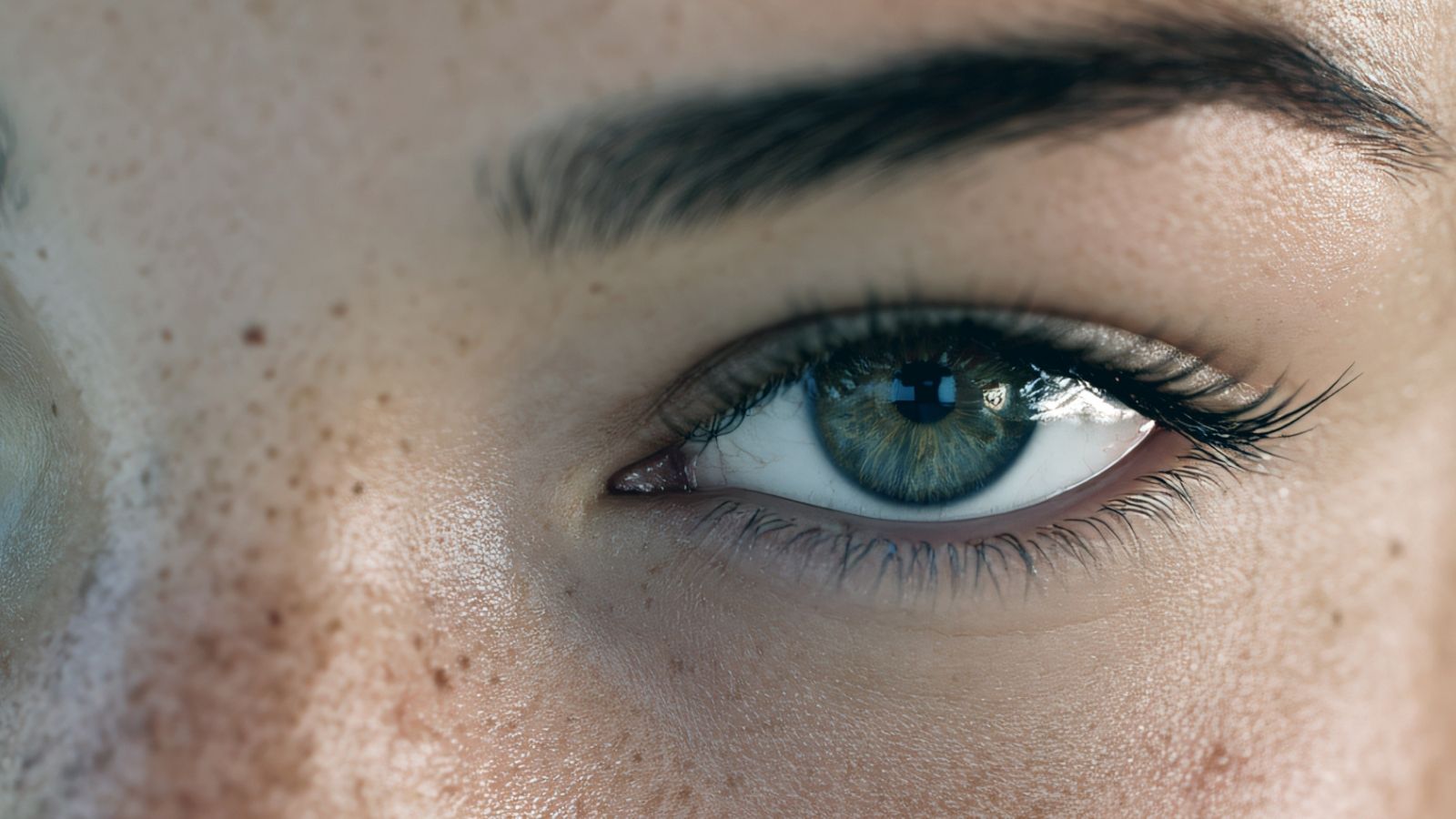
You woke up this morning, washed your face, and looked in the mirror. Wait, what is that? A tiny brown shadow that wasn't there yesterday — or maybe you're only noticing it now — is waving hello. Sound familiar? You're not alone.
We all dream of that smooth, "glass-like" glowing skin that needs no foundation. But life, hormones, and above all our beloved sun sometimes have other plans. Wouldn't it be wonderful if the sun's effects on the skin stopped at a lovely tan? But there's another side to that coin: stubborn dark spots.
So, do we have to live with these spots? Absolutely not. Buckle up — in this article, we're talking about how to win your skin back.
Know Your Enemy: Why Do Sun Spots Form?
If you want to beat something, you first need to understand how it works. Your skin is like a selfless soldier trying to protect you. When the sun's harmful UV rays hit your skin, your body says, "Hey, we're under attack!" and activates its defense mechanism. That mechanism is called melanin.
Melanin is the pigment that gives skin its color. When you're out in the sun, your skin opens little melanin umbrellas at the surface to protect the layers below. We call that tanning. Sometimes, though, this production spirals out of control and melanin clusters in certain spots. And there they are — those unwelcome brown patches!
Could a Vitamin Deficiency Be a Cause?
Here's a question that comes up a lot: Which vitamin deficiency causes sun spots? While it doesn't directly create "sun spots," a deficiency in vitamin B12, folic acid, or vitamin C can leave your skin vulnerable. When the skin barrier weakens, sun damage doubles. In other words, nourishing your skin from within is just as critical as what you apply on the outside.
How Do Sun Spots Fade? The Power of Science-Backed Ingredients
Modern cosmetology has handed us some seriously powerful weapons in the fight against dark spots. The answer to how sun spots fade lies in lab-developed "star ingredients" with proven effects.
If dark spots are your concern, these are the heroes you should always look for on product labels:
1. Alpha Arbutin: The Spot Hunter
Inspired by nature and powered by science, alpha arbutin is one of the gold standards for uneven skin tone. By suppressing melanin production, it helps soften the appearance of existing spots. And it's gentle on the skin, too.

![]() 2. Stabilized Vitamin C
2. Stabilized Vitamin C
Write this one down: vitamin C is the arch-enemy of dark spots. If you're asking what helps with brown spots, a powerful vitamin C serum added to your morning routine can bring back the glow you've been missing. Thanks to its antioxidant properties, it protects the skin against free radicals.
3. Niacinamide (Vitamin B3)
Just for pores? Not at all. Niacinamide is a multitasking ingredient that helps block the transfer of pigment to the skin's surface. It strengthens the skin barrier while quietly fighting dark spots at the same time.
4. The Power of Acids (AHA/BHA)
Alpha hydroxy acids like glycolic acid gently exfoliate the dead cells and pigmented layer on the skin's surface, speeding up the arrival of fresh, spot-free skin underneath. Think of it as a "restart" button for your skin.

A Professional Look at Stubborn Sun Spots
Sometimes, despite consistent care, a spot just won't budge. It's stubborn. When it comes to sun spots that won't fade, you need patience — and more concentrated products.
So, is there a definitive cure for sun spots? Let's be honest: as impressive as modern dermocosmetic products are, no solution is "definitive" unless you protect yourself from the sun. Hyperpigmentation is a skin issue with a memory; the moment you stop protecting, it can come back.
Should You See a Dermatologist for Skin Spots?
Absolutely yes! Especially if your spot is asymmetrical, contains more than one shade, itches or bleeds, or has suddenly grown — stop searching the internet and see a specialist.
Beyond cosmetic concerns, your skin health comes first. Telling a simple sun spot (solar lentigo) apart from something more serious takes expertise. The answer to should you see a dermatologist for skin spots should always be: "If in doubt, yes."
Myth or Fact: Does Sunscreen Reduce Dark Spots?
And here's the big one: does sunscreen reduce dark spots? The answer: indirectly, yes!
Sunscreen is not a "spot eraser." BUT — without sunscreen, even the world's most expensive brightening serum won't get you results. Why? Because the sun keeps triggering the cells that produce pigment. Sunscreen shuts down that trigger. Once the trigger stops, your skin gets the chance to repair itself, and your anti-spot serums can finally do their job.
Wearing a broad-spectrum (UVA/UVB) sunscreen all year round — even indoors — is non-negotiable.
What Does an Ideal Anti-Spot Routine Look Like?
You don't need a complicated regimen. Here's an effective, sustainable skincare routine for fighting dark spots, in order:
-
Cleanse: Purify your skin gently, without stressing it.
-
Tone: Tighten pores and prep the skin for serum (glycolic acid toners are a great choice).
-
Serum (The Treatment Step): Apply your concentrated serum with arbutin, vitamin C, or niacinamide.
-
Moisturize: Spot treatments can be taxing on the skin — support it with a barrier-repairing moisturizer.
-
Sun Protection (Daytime): The single most important step — no debate!
One Last Word: Patience Is the Greatest Key
Dark spots didn't appear overnight, and they won't disappear overnight either. Treating them is a marathon, not a sprint. By using the right dermocosmetic products consistently and shielding yourself from the sun, you can reach that even-toned skin you've been dreaming of.
Take good care of yourself and your skin. And remember — the most beautiful skin is healthy skin.
References
-
Mayo Clinic - Age spots (liver spots): Symptoms & causes.
-
Cleveland Clinic - Sun Damage: Protecting Yourself.
-
American Academy of Dermatology (AAD) - How to fade dark spots in darker skin tones.
-
Harvard Health Publishing - Skin care and repair.