
News

Skincare by Age: A Youth Guide from Your 20s to 50s
Your skin changes over time — but is your routine keeping up? From the "protection" shield of your twenties to the "repair" needs of your fifties, we've prepared a dermatologist-approved roadmap for every stage. Discover which ingredient to use at which age (retinol, vitamin C, peptides) along with Mineaderm's precisely targeted product suggestions in this guide, and turn time to your advantage.
Learn more
Menopause and Your Skin: A Shield Against Hormonal Aging
When you look in the mirror, do you feel like your skin is trying to tell you something? Maybe the moisturizer you've always used just isn't enough anymore, or breakouts you thought you left behind in your teenage years are suddenly saying "hello" again. Don't panic. Take a deep breath. This doesn't have to mean you're getting old; your skin is simply entering a new chapter — its "second spring." Menopause is one of the most natural yet perhaps most complicated turns in a woman's life. The hormonal conductor of your body's orchestra is changing, and the music starts to play a little differently. So how do we keep up with this new rhythm? In this article, we'll talk about how to deal with skin problems during menopause, guided by scientific data and the most effective product recommendations. Got your coffee? Let's begin. Your Skin's New Balance in Menopause: What's Happening Inside? To understand it, let's first meet the culprit (or the hero): estrogen. For years, estrogen worked like your skin's "elixir of youth." It was the invisible force keeping your skin plump, hydrated, and elastic. But with menopause, estrogen levels drop rapidly. According to the American Academy of Dermatology (AAD), women's skin loses about 30% of its collagen in the first five years of menopause. Incredible, isn't it? In just 5 years! This loss leads to thinning skin, lost elasticity, and that much-dreaded "sagging" effect. But wait — no giving in to gloom. Building your skin's new balance during menopause is entirely in your hands. We just need to adjust the game plan a little. The support your body can no longer produce, we'll give back to it from the outside with the right ingredients. Skin Problems During Menopause: You're Not Alone Waking up to a different surprise on your skin every morning can be exhausting. But all of these changes are part of a biological process. Here are the uninvited guests we encounter most often: 1. Dry Skin Even if you used to have combination or oily skin, the skin barrier weakens during menopause. Estrogen used to support the skin's water-holding capacity and natural oil production. Once it's gone? The skin can no longer lock in moisture. Dry skin in menopause isn't just a simple feeling of tightness; it's a sign that your skin has been left defenseless. Itching, flaking, and a dull appearance can become unavoidable. 2. A Second Puberty: Treating Menopausal Acne Don't say "acne at this age?" It happens — and it's the most stubborn kind. As estrogen falls, androgens keep circulating in the body. This imbalance triggers the oil glands and can cause deep, painful cystic breakouts. Unlike teenage acne, these tend to cluster around the chin and neck area. 3. Stubborn Dark Spots and Thinning Skin Remember those vacations you spent unprotected under the sun years ago? Unfortunately, the bill for those days is arriving now. Melanocytes (pigment cells) start working irregularly with age. Add estrogen deficiency to the mix, and dark spots and uneven tone become more visible. Skincare and Repair During Menopause: Put On Your War Paint Okay, we've identified the problem. Now for the solution. We're not abandoning your skin to its fate. Here are scientifically backed strategies to turn this period around, along with my favorite product picks: Strengthen the Barrier: Hyaluronic Acid Support If your skin can't hold water, give it water and lock the door. Hyaluronic acid is like a sponge that can hold up to 1000 times its own weight in water. But not all hyaluronic acid is the same; molecule size matters. For multi-molecular technology that can reach different layers of the skin, Mineaderm H.A Intense Hyaluronic Serum is a true lifesaver in this period. It helps your skin regain that lost plumpness while providing deep hydration. Restart the Collagen Factory: Smart Retinol We said menopause's biggest blow to the skin is collagen loss. So, can we get that factory producing again? Absolutely. Retinol (vitamin A) is the gold standard here. But since skin becomes more sensitive during menopause, using "just any retinol" can be risky. Encapsulated technology is essential to minimize the risk of irritation. Mineaderm Molecular Encapsulation Retinol Serum releases retinol into the skin slowly and in a controlled way, delivering maximum anti-aging effect without causing redness. In your fight against skin aging, this gentle yet powerful formula should be within reach. Say Goodbye to Dark Spots and Dullness: Vitamin C and Spot Correctors Vitamin C should be the staple of your morning routine. It's both a powerful antioxidant (protecting against environmental damage) and a collagen-synthesis supporter that helps brighten the skin. If stubborn age spots (lentigines) have started appearing on your skin, vitamin C alone may not be enough. For a targeted strike, you can add Mineaderm Dark Spot Remover Cream to your routine. For overall brightening and glow, the highly stable Mineaderm Liposomal Vitamin C Serum will be the star of your mornings. What Can You Do About Hormonal Aging? (Lifestyle Tips) Applying creams is great, but without support from within, the effect stays incomplete. Here are some tips for a holistic approach: Sun Protection Shield: Because the skin is thinner, UV rays now reach deeper layers. If you're treating dark spots, protection is a must. Mineaderm UV Protection & Hydration Face Fluid SPF 50+ both hydrates and protects, and its no-white-cast finish also works beautifully under makeup. Say Goodbye to Hot Showers: Scalding water strips away what little natural oil your skin has left. Shower with lukewarm water. Sleeping Masks: Night is the most critical window for your skin to repair itself. With rich-textured products, you can wake up to a "plumper" complexion. A New Chapter, a New You Menopause is not an ending; it's a new beginning that calls for taking better care of yourself. Yes, your skin is changing. But with the right ingredients and mindful care, you can have skin far more sophisticated and radiant than in your twenties. Remember, your skin is your most precious outfit. Take good care of it, and it won't let you down. As you choose the anti-aging care sets and the right products your skin needs during this period, you can lean on Mineaderm's scientific formulas. Because you are beautiful at every age. References American Academy of Dermatology (AAD): "Caring for your skin in menopause." Mayo Clinic: "Menopause and skin changes: What to expect." Cleveland Clinic: "How Menopause Affects Your Skin and Hair." The North American Menopause Society (NAMS): "Skin Care & Menopause." Journal of Cosmetic Dermatology: "Estrogen deficiency and skin aging."
Learn more
Your Phone May Be Stealing Your Youth: Blue Light and Skin
You got into bed, turned off the lights, but the phone is in your hand, right? We all tell ourselves the same little lie: "Just five minutes on Instagram, then I'll sleep." As those five minutes stretch into an hour, think about that cold blue glow hitting your face in the dark room. You'd never lie on the beach without sunscreen, would you? So what about that tiny sun you hold up to your face every night? Eye strain isn't the only price we pay for living in a digital world. Our skin is facing a new enemy it never evolved to handle: Blue Light (HEV). The sun may not be the only culprit behind those fine lines or stubborn dark spots you notice in the mirror. How does blue light affect your skin? Is this so-called "digital aging" an urban legend or scientific fact? And most importantly, how do we defeat this invisible enemy with Mineaderm's professional solutions? Grab your coffee (and maybe dim your screen a little) — let's begin. What Is Blue Light (HEV)? How Is It Different from the Sun? First, let's get to know the enemy. Blue light, also known as High Energy Visible light (HEV), sits at the most powerful end of the light spectrum we can see. Think of the sun's UVA and UVB rays as a flame that burns the upper layers of the skin. Blue light, on the other hand, is more like a covert agent. It can slip far deeper than UVB, all the way down to the lower layers of the skin (the dermis). And here's the scary part: it does this without reddening or stinging your skin. You feel nothing, while it quietly gnaws away at the collagen fibers inside. The Science Speaks: How Blue Light Contributes to Skin Aging According to Cleveland Clinic dermatologists, blue light's effects on the skin are more complex than we assumed. Research shows that screen light creates intense "oxidative stress" in skin cells. And this is exactly where the effect of blue light on skin aging begins: Stubborn Dark Spots: Especially in darker skin tones, blue light triggers melanin production. That spot on your face that appeared "for no reason" or simply won't fade may be caused by the computer screen you stare at for hours. Collagen Breakdown: Free radicals attack collagen, the scaffolding of your skin. The result? Premature sagging and loss of elasticity. We call this "Digital Aging." Your Protective Shields: Defy Blue Light with Mineaderm The horror movie is over — time for the rescue plan. Since we're not about to toss our phones and move into a cave, we'll update our skincare routine for the "digital age" instead. So, which are the right blue light protective skincare products? Here are the precision solutions from Mineaderm's laboratories: 1. The Iron Oxide Shield: Tinted Sunscreens Here's the biggest secret. Not every sunscreen protects against blue light. Chemical filters block UV rays, but stopping visible light (blue light) takes a physical barrier. The solution: Mineaderm Pigment UV Protection Tinted Cream SPF 50+. This product is the secret weapon of everyone fighting blue light. Why? Because the pigments that give it its tinted finish form a physical armor on the skin, reflecting blue light back "like a mirror." It protects against the spot-forming effects of the sun (UVA/UVB). And it helps prevent the light from your computer screen from creating dark spots on your skin. On top of that, it evens out your skin tone with the comfort of a BB cream. Three birds with one stone! 2. The Power of Antioxidants: Liposomal Vitamin C The hours you spend in front of a screen unleash troublemakers called "free radicals" in your skin. The police force that stops those troublemakers? Antioxidants. An ordinary vitamin C won't cut it here; you need a technology that can travel deep. Mineaderm Liposomal Serum Vitamin C is tailor-made for the job. The liposomal technology Mineaderm uses protects vitamin C inside tiny capsules and carries it to the lower layers of the skin. Applying this serum in the morning before your sunscreen is like fitting your skin with a "bulletproof vest" underneath. It neutralizes the oxidative stress created by blue light and preserves your skin's radiance. 3. The "Reset" Button in Your Night Routine Blue light has tired your skin all day and disrupted your circadian rhythm (your biological clock). When night falls, your skin needs repair. Anti-Wrinkle Advanced Recovery Cream works through the night to repair your skin's compromised barrier. The powerful peptides and restorative agents in its formula help restore the moisture and elasticity you lost during a day in front of the screen. Digital Detox and Simple Precautions Creams alone aren't enough — you need to update your habits, too. Night Mode: Keep your phone's "Night Shift" feature on at all times. The 20-20-20 Rule: Every 20 minutes, look into the distance for 20 seconds. This relaxes the muscles around your eyes and helps prevent the fine lines that come from squinting. Double Shield: Even if you're not leaving the house, make it a habit to apply Mineaderm Pigment UV Protection before you sit down at your computer. Remember, that light isn't coming through the window — it's coming from the screen! Your Skin Is Your Most Precious Outfit Technology makes our lives easier, yes. But our biology hasn't caught up with this pace yet. Fortunately, we have powerful allies like Mineaderm against photoaging and digital damage. You may not be able to escape blue light, but you can hide from it. Tomorrow morning, as you apply that tinted protector, remember that you're standing up not just to the sun, but to your computer too. Your skin is worth more than your screen's brightness. Take good care of it. References Cleveland Clinic: "Blue Light and Skin: What You Need to Know" - health.clevelandclinic.org Journal of Investigative Dermatology: "Long-lasting pigmentation related to blue light exposure" - jidonline.org Mineaderm: Product Ingredients and Liposomal Technology - mineaderm.com
Learn more
A Guide to Combination Skin: What's My Skin Type?
Waking up with an oily T-zone but tight cheeks isn't your destiny; we're cracking the code of combination skin care with Mineaderm's professional touch. In this guide, you'll confirm your skin type with simple at-home tests and discover how the wrong cleanser and moisturizer choices wear your skin down. From beating the "BB or CC?" dilemma with hybrid protectors like Mineaderm Pigment UV Protection, to taming your pores with the Lightening Cleanser Gel and Anti-Shine Tonic duo — this article gives you a complete roadmap to striking the delicate balance your skin needs.
Learn more
Sun Spots Aren't Your Destiny: A Roadmap to Even Skin
You woke up this morning, washed your face, and looked in the mirror. Wait, what is that? A tiny brown shadow that wasn't there yesterday — or maybe you're only noticing it now — is waving hello. Sound familiar? You're not alone. We all dream of that smooth, "glass-like" glowing skin that needs no foundation. But life, hormones, and above all our beloved sun sometimes have other plans. Wouldn't it be wonderful if the sun's effects on the skin stopped at a lovely tan? But there's another side to that coin: stubborn dark spots. So, do we have to live with these spots? Absolutely not. Buckle up — in this article, we're talking about how to win your skin back. Know Your Enemy: Why Do Sun Spots Form? If you want to beat something, you first need to understand how it works. Your skin is like a selfless soldier trying to protect you. When the sun's harmful UV rays hit your skin, your body says, "Hey, we're under attack!" and activates its defense mechanism. That mechanism is called melanin. Melanin is the pigment that gives skin its color. When you're out in the sun, your skin opens little melanin umbrellas at the surface to protect the layers below. We call that tanning. Sometimes, though, this production spirals out of control and melanin clusters in certain spots. And there they are — those unwelcome brown patches! Could a Vitamin Deficiency Be a Cause? Here's a question that comes up a lot: Which vitamin deficiency causes sun spots? While it doesn't directly create "sun spots," a deficiency in vitamin B12, folic acid, or vitamin C can leave your skin vulnerable. When the skin barrier weakens, sun damage doubles. In other words, nourishing your skin from within is just as critical as what you apply on the outside. How Do Sun Spots Fade? The Power of Science-Backed Ingredients Modern cosmetology has handed us some seriously powerful weapons in the fight against dark spots. The answer to how sun spots fade lies in lab-developed "star ingredients" with proven effects. If dark spots are your concern, these are the heroes you should always look for on product labels: 1. Alpha Arbutin: The Spot Hunter Inspired by nature and powered by science, alpha arbutin is one of the gold standards for uneven skin tone. By suppressing melanin production, it helps soften the appearance of existing spots. And it's gentle on the skin, too. 2. Stabilized Vitamin C Write this one down: vitamin C is the arch-enemy of dark spots. If you're asking what helps with brown spots, a powerful vitamin C serum added to your morning routine can bring back the glow you've been missing. Thanks to its antioxidant properties, it protects the skin against free radicals. 3. Niacinamide (Vitamin B3) Just for pores? Not at all. Niacinamide is a multitasking ingredient that helps block the transfer of pigment to the skin's surface. It strengthens the skin barrier while quietly fighting dark spots at the same time. 4. The Power of Acids (AHA/BHA) Alpha hydroxy acids like glycolic acid gently exfoliate the dead cells and pigmented layer on the skin's surface, speeding up the arrival of fresh, spot-free skin underneath. Think of it as a "restart" button for your skin. A Professional Look at Stubborn Sun Spots Sometimes, despite consistent care, a spot just won't budge. It's stubborn. When it comes to sun spots that won't fade, you need patience — and more concentrated products. So, is there a definitive cure for sun spots? Let's be honest: as impressive as modern dermocosmetic products are, no solution is "definitive" unless you protect yourself from the sun. Hyperpigmentation is a skin issue with a memory; the moment you stop protecting, it can come back. Should You See a Dermatologist for Skin Spots? Absolutely yes! Especially if your spot is asymmetrical, contains more than one shade, itches or bleeds, or has suddenly grown — stop searching the internet and see a specialist. Beyond cosmetic concerns, your skin health comes first. Telling a simple sun spot (solar lentigo) apart from something more serious takes expertise. The answer to should you see a dermatologist for skin spots should always be: "If in doubt, yes." Myth or Fact: Does Sunscreen Reduce Dark Spots? And here's the big one: does sunscreen reduce dark spots? The answer: indirectly, yes! Sunscreen is not a "spot eraser." BUT — without sunscreen, even the world's most expensive brightening serum won't get you results. Why? Because the sun keeps triggering the cells that produce pigment. Sunscreen shuts down that trigger. Once the trigger stops, your skin gets the chance to repair itself, and your anti-spot serums can finally do their job. Wearing a broad-spectrum (UVA/UVB) sunscreen all year round — even indoors — is non-negotiable. What Does an Ideal Anti-Spot Routine Look Like? You don't need a complicated regimen. Here's an effective, sustainable skincare routine for fighting dark spots, in order: Cleanse: Purify your skin gently, without stressing it. Tone: Tighten pores and prep the skin for serum (glycolic acid toners are a great choice). Serum (The Treatment Step): Apply your concentrated serum with arbutin, vitamin C, or niacinamide. Moisturize: Spot treatments can be taxing on the skin — support it with a barrier-repairing moisturizer. Sun Protection (Daytime): The single most important step — no debate! One Last Word: Patience Is the Greatest Key Dark spots didn't appear overnight, and they won't disappear overnight either. Treating them is a marathon, not a sprint. By using the right dermocosmetic products consistently and shielding yourself from the sun, you can reach that even-toned skin you've been dreaming of. Take good care of yourself and your skin. And remember — the most beautiful skin is healthy skin. References Mayo Clinic - Age spots (liver spots): Symptoms & causes. Cleveland Clinic - Sun Damage: Protecting Yourself. American Academy of Dermatology (AAD) - How to fade dark spots in darker skin tones. Harvard Health Publishing - Skin care and repair.
Learn more
What Is Hyaluronic Acid? Benefits and How to Use It
The secret to healthy, plump, glowing skin lies in proper hydration. Hyaluronic acid, found naturally in our bodies, is the skin's greatest moisture source, capable of holding up to 1000 times its own weight in water. Replenishing this remarkable ingredient, which declines with age, reduces the appearance of fine lines, strengthens the skin barrier, and delivers an instantly livelier look. Suitable for all skin types, hyaluronic acid provides deep hydration without any greasy feel. It pairs beautifully with ingredients like vitamin C and collagen — add it to your routine and say goodbye to dull, dehydrated-looking skin!
Learn more
2026 Beauty Trends: It's How You Feel, Not How You Look
The beauty trends of 2026 revolve around metabolic health, neuro-beauty, multi-sensory experiences, authentic communication, and the human touch. Skin is now seen as an indicator not only of appearance but of overall health. Technology and science support this holistic approach with personalized solutions.
Learn more
HOW TO CHOOSE THE RIGHT SUNSCREEN? FILTERS, FACTS, AND MINEADERM’S SCIENTIFIC APPROACH
HOW TO CHOOSE THE RIGHT SUNSCREEN? FILTERS, FACTS, AND MINEADERM’S SCIENTIFIC APPROACH Facts and Misconceptions About Sunscreens: A Conscious Stance Against the Sun with Mineaderm Using sunscreen is no longer just part of a summer vacation; it has long become an essential part of a healthy skincare routine. However, choosing the right product can be confusing. It’s easy to get lost in social media questions like “natural or chemical?”, “are filters harmful?”, “will my skin be able to breathe?” At Mineaderm, our goal is to be a clear, scientific, and skin-friendly voice amid this information overload. We address sun protection without confusion, while never losing sight of its importance. “Chemical or Natural?”: Let’s Look at It Differently The word chemistry might sound too laboratory-like. Yet water is a chemical, and so is oxygen. So being “chemical” doesn’t mean something is bad; what matters is how your skin tolerates it. For sunscreen filters, the key isn’t their names—it’s how they work and how they interact with the skin. Types of Sunscreen Filters: Differences Between Physical and Chemical Filters ☀️ Physical (Mineral) Filters Work by reflecting UV rays off the skin. Formulated with ingredients like zinc oxide and titanium dioxide. Generally well-tolerated on sensitive skin. 🔬 Chemical (Organic) Filters Absorb UV rays and neutralize them by converting them into heat. Can be more transparent and lighter in texture. Begin working within minutes after application. Which is better? The answer depends on your skin. Some skin types prefer physical filters, while others find chemical filters more comfortable. The key is knowing your skin and choosing accordingly. What Does Mineaderm Do? It Finds the Balance Mineaderm sunscreens combine both physical and chemical filters in a skin-compatible way. Our goal is not only to provide high protection but also to offer a lightweight, comfortable, and reliable experience on the skin. 🧴 Our Products: Offer broad-spectrum protection against UVA and UVB rays, Support skin comfort with advanced filter technologies, Maintain performance throughout the day thanks to photostable formulations, Are designed with skin-compatible formulas suitable for daily use. Mineaderm’s skin-centered approach leverages scientific data and the latest technological solutions when selecting ingredients. Every formula is designed to combine effective protection with a caring, pleasant feeling on the skin. Beyond Labels: Focus on the Ingredients Terms like “natural,” “organic,” or “clean ingredients” may sound appealing but sometimes are just marketing slogans. Mineaderm’s mission is to focus on ingredients beyond the labels. Our products’ ingredients are carefully selected considering skin sensitivities and user expectations. We clearly explain what each ingredient does because informed choices start with accurate knowledge. Conclusion: Protect Wisely and Fearlessly Protecting your skin from the sun is a crucial step in supporting skin health. You don’t need a magical product; a sunscreen formulated with the right filters that meets your skin’s needs is enough. “The best” can vary for everyone; what matters is knowing what you are using to protect your skin. Mineaderm offers balanced and reliable sun protection solutions developed with this understanding. And yes… your skin will thank you 🙂 Explore Mineaderm’s full range of sunscreens and discover the formula that suits your skin best by visiting our product page.
Learn more
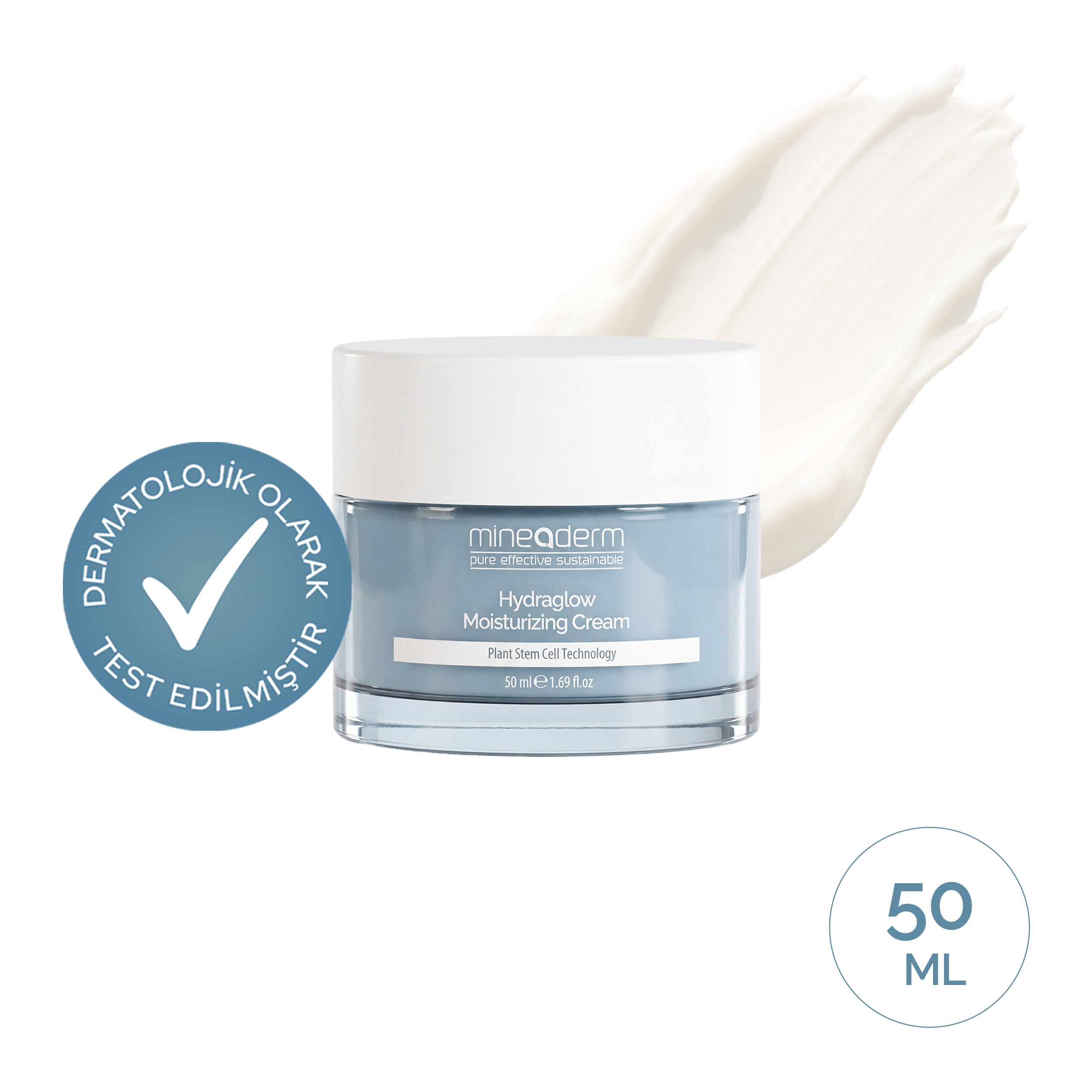
WHAT ARE PLANT STEM CELLS? THEIR BENEFITS FOR THE SKIN AND MINEADERM’S APPROACH
Studies show that plant stem cells have the potential to: Increase skin elasticity, Reduce the appearance of fine lines, and Improve skin texture overall.
Learn more