
News

What Is Arbutin Serum? Everything You Need to Know
Do those stubborn spots that greet you in the mirror every morning wear you down too? The marks left behind by sun damage, or the dark shadows acne leaves in its wake? You spend money on skincare but never see results, and no matter what you try, those spots stay exactly where they are… If this sounds familiar, you're reading the right article in the right place. Because today I'm going to tell you everything about arbutin serum the way dermatologists and skin scientists have recommended it for years, chatting with you like a friend over coffee. What Is Arbutin? Your Skin's New Best Friend Arbutin actually comes from nature. Found naturally in plants like cranberry, bilberry and mulberry, this compound is chemically a derivative of hydroquinone. So why do we prefer arbutin over hydroquinone? Because hydroquinone acts far more aggressively and can cause serious side effects with long-term use. Arbutin, on the other hand, is gentler and more controlled. It doesn't fight with your skin; it works together with it. From a scientific standpoint, arbutin suppresses melanin production by inhibiting the tyrosinase enzyme. Melanin is the pigment that gives your skin its color. Too much melanin production equals spots. Arbutin breaks that chain. It's really that simple. Studies published by the University of California, San Francisco Department of Dermatology have repeatedly confirmed that arbutin is a safe and effective agent for treating hyperpigmentation. Cleveland Clinic also counts arbutin among the compounds recommended as a hydroquinone alternative, especially for sensitive skin. Alpha Arbutin or Beta Arbutin? The Difference Between Them This is a question worth asking, because you'll come across both on the market. Alpha arbutin has a far more stable molecular structure than beta arbutin. It penetrates your skin better and works roughly 10 times more effectively at the same concentration. If you see alpha arbutin in a formula, it means you're dealing with a stronger product. Beta arbutin is more common and cheaper. It's less potent but still does the job. The difference is this: alpha arbutin is the more refined, more optimized version of beta arbutin. How Does Arbutin Serum Work? The Real Mechanism Melanin production in your skin begins when an amino acid called tyrosine is processed by the tyrosinase enzyme. When sun exposure, hormonal changes or inflammation push that enzyme into overdrive, spots appear. This is exactly where arbutin steps in. By binding to the active site of the tyrosinase enzyme, it slows down its melanin-producing process. It keeps your spots from darkening and, over time, helps existing spots fade too. So when do you see this? In most clinical studies, noticeable improvement was observed after 4–8 weeks of consistent use. Don't expect miracles, but do be patient. Skin renewal is a process, not the result of a single product. The Proven Benefits of Arbutin Serum 1. Treating Hyperpigmentation and Spots As noted in Mayo Clinic's skincare guidance, tyrosinase inhibitors are among the first-line compounds recommended for treating hyperpigmentation. Arbutin is a safe representative of this category. Whatever the type of spot may be — sun spots, the mask of pregnancy (melasma), post-acne marks — arbutin works against them all. 2. Evening Out Skin Tone Uneven skin tone is one of the top complaints women have about their skin. Arbutin goes beyond treating localized spots to support overall skin radiance and an even tone. It gives you the comfort of being able to look in the mirror without makeup in the morning. And that's no small thing. 3. Suitability for Sensitive Skin Here's a point emphasized in Harvard Medical School's skincare content too: products containing hydroquinone can cause irritation, redness and paradoxical hyperpigmentation (ochronosis) on sensitive skin. Arbutin, by contrast, is far better tolerated both in dermatologist testing and in real user experience. 4. Synergy with Other Actives When used together with vitamin C, niacinamide and hyaluronic acid, arbutin's effectiveness multiplies. It doesn't have to work alone; placed within a good formulation, it delivers wonderful results. Mineaderm Arbutin Serum: A Solution Formulated with Science So far we've covered what arbutin does and how it works. But in practice, which product should you use? Mineaderm's Anti-Spot and Brightening Arbutin Serum comes into play right here. Formulated with a concentrated Hyaluronic Acid blend of different molecular sizes, this serum both helps prevent spots and deeply hydrates your skin. Not just brightening, but deep moisture too — having these two together is a major advantage, especially for dry and combination skin. Developed using liposomal technology, this formula helps active ingredients pass through the skin barrier more easily. In other words, whatever you put on your face truly sinks in rather than sitting on the surface. If you want to boost your arbutin serum, I'd recommend pairing it with Mineaderm's Anti-Aging Brightening Vitamin C Serum. A favorite among our customers, this serum supports arbutin's melanin inhibition with the antioxidant power of vitamin C. The two together? A true brightening protocol. How to Add Arbutin Serum to Your Skincare Routine Step 1: Cleansing First and foremost, the skin needs to be clean. Mineaderm's Brightening Daily Cleansing Foam cleanses deeply without drying out your skin while also supporting a balanced tone. You can use it morning and night. Step 2: Toner (Optional) If you use a pore-tightening or gently hydrating toner, apply it before your serum. Step 3: Arbutin Serum Take a few drops of the serum into your palm, warm it slightly, and after applying it to your face and neck, gently pat it in. No rubbing — patting. This helps the serum absorb into the skin more effectively. Step 4: Moisturizer Once the serum has absorbed, apply your moisturizer. If you're determined to tackle spot problems, Mineaderm's Phyto White Anti-Spot Skin Tone Corrective Care Cream is a perfect complement. Formulated with plant stem cell technology, this cream offers powerful support against stubborn, resistant pigmentation. Step 5: SPF — And You Can't Skip This Step While using arbutin, SPF is a must. Why? Because as you reduce melanin production, your skin's capacity to defend against the sun drops too. So if you don't apply protection, the sun undoes the care you did in the morning within hours. Frequently Asked Questions Is arbutin serum suitable for every skin type? Generally, yes. Even sensitive skin tolerates arbutin well in most cases. Still, I'd recommend testing it on a small area on first use. If your skin is very sensitive or you have an active skin condition, consult your dermatologist. Can arbutin serum be used during pregnancy? This is a question you absolutely need to put to your doctor. Hydroquinone isn't recommended during pregnancy; while arbutin appears safer, the clinical data is limited. To stay on the safe side, dermatologist approval is essential during pregnancy. When will I see results? Most users notice their first improvement within 4–6 weeks. However, 8–12 weeks of consistent use may be needed for noticeable results. Skin renewal works in 28-day cycles; there's no skipping that process. Can arbutin be used together with niacinamide? Absolutely, yes. These two ingredients support each other. Niacinamide both inhibits melanin transfer and strengthens the skin barrier. When you use the two together, effectiveness increases. Can arbutin and vitamin C be used at the same time? Yes, they're compatible ingredients. But if you're using both in high concentrations at the same time, take a little care. A routine like vitamin C in the morning and arbutin at night works well too. Or you can check out Mineaderm's combined serum set that includes both: Spot Care Routine 2. Can I apply arbutin serum to my neck and décolleté too? Yes! Spots and uneven tone can develop on the neck and décolleté as well. Extend the serum you apply to your face to these areas too. What to Look for When Choosing an Arbutin Serum There are dozens of arbutin products on the market. But they're not all the same. Here's what you should pay attention to when shopping: Make sure it contains alpha arbutin. Beta arbutin is cheaper but less effective. Concentration matters. 1–2% alpha arbutin was found effective in clinical studies. Very low concentrations may not deliver results. Supporting ingredients. Formulas containing hyaluronic acid, niacinamide or vitamin C show stronger effects. Liposomal technology. This technology makes it easier for active ingredients to cross the skin barrier. Mineaderm's arbutin serum is formulated with exactly this technology. pH balance. Arbutin is more stable in a mildly acidic environment (pH 5–6). Formulation quality comes into play here. Common Mistakes When Using Arbutin Serum Not using sunscreen. This is the biggest mistake, one that renders the entire arbutin routine ineffective. Brightening ingredients can't work without SPF 30+. Switching products while waiting for results. Impatience is the enemy of skincare. Don't abandon a product just because you didn't see results in 2 weeks. Respect the skin cycle. Using too many actives at once. Applying AHA/BHA acids, retinoid and arbutin all at the same time can over-stimulate your skin. Keep it simple at the start and add layers over time. Neglecting the under-eye area. This area is thin and delicate, but spot and tone problems show up here too. You can apply gently. The Mineaderm Routine That Completes Your Arbutin Serum If you want to address your spot problem with a holistic approach, Mineaderm's carefully crafted Spot Care Set is just right for you. Arbutin serum, cleanser and cream all in one — if you're starting from scratch or want to rebuild your routine, this set is a perfect starting point. If you're looking for a more comprehensive protocol, be sure to check out the Spot Care Routine. References The following medical and scientific sources were used in preparing this content: Cleveland Clinic — Hyperpigmentation: What It Is, Causes & Treatmenthttps://my.clevelandclinic.org/health/diseases/21454-hyperpigmentation Mayo Clinic — Melasma: Symptoms & Causeshttps://www.mayoclinic.org/diseases-conditions/melasma/symptoms-causes/syc-20375433 Harvard Health Publishing — Treating Age Spots and Uneven Skin Tonehttps://www.health.harvard.edu/staying-healthy/treating-age-spots-and-uneven-skin-tone National Institutes of Health (NIH) — Arbutin: A Natural Skin-Lightening Agenthttps://www.ncbi.nlm.nih.gov/pmc/articles/PMC3663177/ Journal of Cosmetic Dermatology — Alpha-arbutin as a skin lightening agenthttps://onlinelibrary.wiley.com/doi/10.1111/jocd.12052 American Academy of Dermatology — How to fade dark spots in skin of colorhttps://www.aad.org/public/everyday-care/skin-care-secrets/face/fade-dark-spots Mount Sinai Hospital — Hyperpigmentation Overviewhttps://www.mountsinai.org/health-library/diseases-conditions/hyperpigmentation Dermatologic Therapy — Comparison of skin depigmenting agentshttps://onlinelibrary.wiley.com/doi/10.1111/dth.12012 Journal of Investigative Dermatology — Melanogenesis and its regulationhttps://www.jidonline.org/article/S0022-202X(15)37200-7/fulltext University of California San Francisco — Skin Pigmentation Disordershttps://dermatology.ucsf.edu/patient-care/skin-pigmentation-disorders Mineaderm — Cosmetics Glossary (Active Ingredients)https://mineaderm.com/pages/kozmetik-sozlugu Mineaderm — Anti-Spot Brightening Arbutin Serumhttps://mineaderm.com/products/leke-bakim-seti Mineaderm — Spot Care Routine 2https://mineaderm.com/products/leke-bakim-rutini-2 This content does not constitute medical advice. For serious concerns about your skin health, we recommend seeking a dermatologist's opinion.
Learn more
Winter Skin Is Out, Spring Skin Is In: Update Your Routine
As you leave those cold, harsh winter days behind, it's high time to say goodbye to the thick, heavy winter creams so your skin can sync up with the energy of spring. The weather is warming, humidity in the air is rising, and naturally your skin's oil production speeds up too. That's exactly why those rich balms that clog pores and invite breakouts should give way to water-based, breathable Mineaderm formulas. Quench your skin with moisture using hyaluronic acid without weighing it down, gently slough off that dull, dead layer built up over winter with AHA/BHA peeling serums, and the moment you see the sun, raise your protective shield with a fluid-textured SPF 50+ sunscreen. Refresh your routine with these fresh new steps and you can effortlessly reach that vibrant, smooth, glowing spring skin you've been dreaming of.
Learn more
What Is Skin Minimalism? A Science-Backed Guide
Skin minimalism is the deliberate practice of paring back your skincare routine and focusing on a small number of proven ingredients — because piling on more products can weaken your barrier rather than repair it. A three-step routine for morning and night, built around ingredients like ceramides, niacinamide, and hyaluronic acid — gentle cleanser, moisturizer, sunscreen — forms the core framework that the vast majority of dermatologists recommend. Whether your skin is sensitive, oily, or combination, this approach reduces transepidermal water loss, lowers the risk of redness and irritation, and gives your skin the chance to restore its own balance. In short, healthier skin with fewer products is both possible and scientifically supported.
Learn more
Which Active Is Right for You? AHA, BHA, Retinol, Vitamin C & Niacinamide Guide
Picture this: you're standing in the pharmacy with four different serums in your hands. One says "AHA/BHA," another "Retinol," a third "Vitamin C." Which one do you buy? You have no idea. Sound familiar? This article is for exactly that moment. Active ingredients sit at the heart of skincare. But using products at random — without knowing what each one does, who should use it and when, or which combinations are risky — wastes your money and shortchanges your skin. Let's put the five big actives on the table and find the one that's right for you. AHA (Alpha Hydroxy Acid): Your Skin's "Restart" Button AHAs are water-soluble acids. Glycolic acid, lactic acid, and mandelic acid are the best-known members of the family. Their core job: gently dissolving the "glue" that keeps dead cells stuck to the skin's surface. That reveals the fresher, brighter layer underneath. So who benefits? Dry, dull-looking skin. AHA both exfoliates dry skin and helps it hold on to moisture — lactic acid is especially good at this. Sun spots and uneven tone. Glycolic acid breaks down surface-level pigment clusters caused by melanin buildup, gradually lightening them. Fine lines. Clinical research shows that regular glycolic acid use supports collagen synthesis. (That's according to dermatologists at Harvard Medical School ¹) Watch out: AHA makes skin more sensitive to the sun. If you use it in the morning, always apply SPF 30+ sunscreen. Otherwise, the very thing you're using to fade spots ends up creating new ones — ironic, isn't it? Mineaderm's AHA/BHA Pick Mineaderm Revitalizing AHA/BHA Serum steps in right here. Its formula combines botanically derived AHA components such as 10% glycolic acid, lactic acid, tartaric acid, and citric acid. Thanks to Centella Asiatica and hyaluronic acid, it doesn't just exfoliate — it nourishes and calms the skin too. Twice a week, apply, wait 10 minutes, rinse. That's it. For daily use, Mineaderm Smoothing AHA/BHA Toner is a great alternative — sweep it over your face on a cotton pad and you'll feel the difference by morning. BHA (Beta Hydroxy Acid): The Pore Detective BHA has one big name: salicylic acid. And for people with oily, acne-prone skin, that name is practically legend. Why? Because BHA is oil-soluble. What does that mean? It doesn't stay on the surface — it slips inside the pores, dissolves trapped sebum, and waves goodbye to blackheads. While AHA works on the surface, BHA goes deep. BHA helps reduce fine lines and supports skin renewal, and it has a gentler irritation profile compared to AHAs.² Who should use it? Oily and combination skin Skin prone to breakouts and blackheads Anyone bothered by the look of enlarged pores People with post-shave redness (yes, BHA works there too!) The question everyone asks: "Can I use BHA and AHA at the same time?" Yes — but carefully. Mineaderm Revitalizing AHA/BHA Serum already solves that combination in its formula — 10% AHA + 2% BHA together, in a balanced ratio that doesn't overload the skin. Retinol: The Reigning King of Anti-Aging Retinol. Mention the word to dermatologists and you'll get almost the same reaction every time: "one of the most strongly proven actives." Why so powerful? Because retinol doesn't stay on the surface. It travels down into the deeper layers of the skin, speeding up cell renewal, triggering collagen production, and directly influencing gene expression via retinoid receptors. These aren't empty claims — they're findings backed by decades of clinical data from the American Academy of Dermatology.³ What does it do? Reduces wrinkles and fine lines Slows collagen loss Improves dark spots and uneven tone Refines the look of pores Gradually fades acne scars The downside? Retinol can cause dryness, flaking, and sensitivity at first. This is called the "retinoid reaction." But don't panic — it's part of your skin's adjustment period. Start with two nights a week and build up over time. Mineaderm's Retinol Pick Mineaderm Molecular Encapsulation Retinol Serum stands out here. Molecular Encapsulation technology locks the retinol inside tiny capsules. What does that mean? The retinol is delivered not to the skin's surface but straight to its deeper layers — boosting efficacy while lowering the risk of irritation. The formula is supported with hyaluronic acid, ceramide, squalane, and a vitamin C derivative, balancing out retinol's drying effect. Being vegan and PETA-approved is the cherry on top. Who should skip it: Retinol is strictly off-limits during pregnancy and breastfeeding. We recommend consulting your dermatologist on this point. Vitamin C: The Guardian of Your Morning Routine If you want to start the day with a serum, vitamin C is waiting for you. With its antioxidant power, vitamin C is the morning's most important "shield" active, protecting the skin against sunlight, air pollution, and free radicals. But that's not all: It evens out skin tone by inhibiting melanin (spot) production It gives the skin radiance Heads up: Vitamin C is an unstable molecule. It can degrade when exposed to light, heat, and oxygen. That's why choosing a stable formula is critical. Mineaderm's Vitamin C Pick Mineaderm Advanced Brightening Vitamin C Serum contains high-purity ascorbic acid. You can also opt for Mineaderm Liposomal Serum Vitamin C Brightening Complex — formulated with liposomal technology, it combines ethyl ascorbic acid (a stable form of vitamin C), hyaluronic acid in 5 different molecular sizes, licorice root, green tea, panthenol, and vitamin E. Thanks to the liposomal delivery, the vitamin C reaches the deeper layers of the skin. Pair it with sunscreen in the morning and your skin stays fully protected all day. Niacinamide: Everyone's Friend Niacinamide — vitamin B3 — is the "easygoing" member of the actives world. It's compatible with nearly every skin type and plays nicely with nearly every other active. What does it do? Balances sebum (oil) production Tightens the look of pores Fights dark spots by blocking melanin transfer Strengthens the skin barrier and reduces TEWL (transepidermal water loss) Soothes redness and sensitivity Cleveland Clinic dermatology experts describe niacinamide as "a versatile, easy-to-tolerate active" — which means it's a safe choice for beginners and sensitive skin alike.⁵ Mineaderm's Niacinamide Pick Mineaderm Liposomal Niacinamide Serum contains 10% niacinamide — a concentration that matches the dose found effective in clinical studies. Supported with Oryza Sativa (rice) stem cell extract, a stable vitamin C derivative, and multi-molecular hyaluronic acid, the serum penetrates deep into the skin via liposome technology. Especially well suited to oily, combination, and sensitive skin. Apply 2–3 drops to clean skin morning and evening, then follow with moisturizer. Active Ingredient Comparison Table: Which One Fits You? Active Main Benefit Skin Type When to Use Starting Frequency AHA Spots, uneven tone, dead cells Dry, normal, dull Night (or daytime with SPF) 2–3 times a week BHA Breakouts, blackheads, pores Oily, combination, acne-prone Preferably at night 2–3 times a week Retinol Wrinkles, signs of aging Mature, normal (sensitive skin: use caution) Night only 2 nights a week Vitamin C Radiance, protection, spots All skin types Morning + with SPF Every morning Niacinamide Pores, oil, redness All skin types Morning or night Every day Which Combinations Work — and Which Should You Avoid? Everyone asks this question. And rightly so — the wrong combination can cause serious irritation. ✅ Safe and effective combinations: Niacinamide + Vitamin C: It used to be said they "cancel each other out," but that's just a myth. Current research shows this duo can work together. Niacinamide + AHA/BHA: Excellent. Niacinamide balances the acids' potential irritation. Retinol + Niacinamide: A classic pairing. Niacinamide takes the edge off retinol's drying effect. Vitamin C (morning) + Retinol (night): Splitting them across the day is ideal. ⚠️ Use with caution: Retinol + AHA/BHA: Using them at the same time can over-irritate the skin. If you use both, put them on different nights or consult your dermatologist. High-concentration AHA + BHA layered together: Well-balanced formulas (like Mineaderm AHA/BHA Serum) make this safe, but don't layer two separate high-concentration products. Frequently Asked Questions Q: What's the difference between AHA and BHA? AHA is water-soluble and works on the skin's surface; it's ideal for dry, dull, spot-prone skin. BHA is oil-soluble, so it gets inside the pores and is more effective for oily, acne-prone skin. Q: When does retinol show visible results? Skin texture starts changing within the first 4–6 weeks. For noticeable improvement in spots and wrinkles, you generally need 12 weeks or more of consistent use. Patience is non-negotiable — there's no shortcut. Q: Should vitamin C serum be stored in the fridge? General rule: keep it somewhere dark, cool, and airtight. Stable formulas in particular (like ethyl ascorbic acid) hold up better at room temperature. Q: Can niacinamide be used every day? Yes. Niacinamide is easy enough to tolerate that it can even be used twice a day. Even sensitive skin usually adapts to concentrations of up to 10% without trouble. Q: Is sunscreen mandatory while using these actives? If you use AHA or BHA, sunscreen is mandatory — they make the skin sun-sensitive. Same goes for retinol. Vitamin C, on the contrary, supports sun protection — but don't skip your SPF anyway. Sunscreen is an inseparable part of any active-based routine. Starter Routine Suggestions by Skin Type For Oily/Acne-Prone Skin: Morning → Niacinamide Serum + SPF Night → BHA toner or AHA/BHA Serum (2–3 times a week) Mineaderm Smoothing AHA/BHA Toner or Liposomal Niacinamide Serum For Dry/Dull Skin: Morning → Vitamin C Serum + SPF Night → AHA serum (2–3 times a week) or Retinol (2 nights a week) Liposomal Vitamin C Brightening Complex + Revitalizing AHA/BHA Serum For Mature/Wrinkle-Focused Skin: Morning → Vitamin C Serum + SPF Night → Retinol Serum (start with 2–3 nights a week) + Niacinamide Molecular Encapsulation Retinol Serum + Advanced Brightening Vitamin C Serum For Sensitive/Combination Skin: Morning → Niacinamide Serum + SPF Night → Low-concentration AHA (1–2 times a week) or Niacinamide only Liposomal Niacinamide Serum One Last Thing: With Actives, "More" Does Not Mean "Better" We really do need to say this. A different active every night, another serum layered on every morning — that's not skincare, that's exhausting your skin. The best results come from using the right active, at the right dose, at the right frequency. Mineaderm's formulations are built with this balance calculated from the start — one product gives you multiple actives, safely. The dermatologist-backed golden rule: When starting a new active, give your skin at least 4 weeks to adjust. Impatience damages skin. Patience — genuinely works. References Harvard Health Publishing – Exfoliants and Skin Care https://www.health.harvard.edu/skin-and-hair/glycolic-acid-the-gold-standard-of-exfoliants American Academy of Dermatology – Salicylic Acid for Acne https://www.aad.org/public/diseases/acne/skin-care/salicylic-acid American Academy of Dermatology – Retinoids for Anti-Aging https://www.aad.org/public/cosmetic/anti-aging/retinoids Linus Pauling Institute – Vitamin C and Skin https://lpi.oregonstate.edu/mic/health-disease/skin-health/vitamin-C Cleveland Clinic – Niacinamide: What It Is and How to Use It https://health.clevelandclinic.org/niacinamide-for-skin Mayo Clinic – Wrinkles: Diagnosis and Treatment https://www.mayoclinic.org/diseases-conditions/wrinkles/diagnosis-treatment/drc-20353128 National Institutes of Health (NIH) – Topical Retinoids in Skin Aging https://www.ncbi.nlm.nih.gov/pmc/articles/PMC2699641/ Journal of Clinical and Aesthetic Dermatology – Niacinamide: A B Vitamin That Improves Aging Facial Skin Appearance https://www.ncbi.nlm.nih.gov/pmc/articles/PMC3300176/ British Journal of Dermatology – AHA and Photoaging https://onlinelibrary.wiley.com/doi/abs/10.1111/bjd.14842 Dermatology Times – Understanding Retinol vs Retinoids https://www.dermatologytimes.com/view/retinol-versus-retinoids Mineaderm – Revitalizing AHA/BHA Serum Product Page https://mineaderm.com/products/revitalizing-aha-bha-serum Mineaderm – Molecular Encapsulation Retinol Serum https://mineaderm.com/products/molecular-encapsulation-retinol-serum Mineaderm – Liposomal Niacinamide Serum https://mineaderm.com/products/li%CC%87posomal-niacinamide-serum Mineaderm – Liposomal Vitamin C Brightening Complex https://mineaderm.com/liposomal-serum-vitamin-c-brightening-complex Mineaderm – Advanced Brightening Vitamin C Serum https://mineaderm.com/products/advanced-brightening-vitamin-c Mineaderm – Smoothing AHA/BHA Toner https://mineaderm.com/products/smoothing-aha-bha-toner Note: This content is for informational purposes only. For any skin concern, please consult a dermatologist. Active ingredients can affect everyone differently.
Learn more
Skincare Chaos: Which Ingredients Should Never Mix?
If you're chasing miracle results from your skincare but don't want to end up with a red, irritated face, stop mixing every serum you can get your hands on. Using retinol and AHA/BHA acids on the same night, or layering vitamin C over retinol, practically demolishes your skin's protective barrier. Instead, split acids and retinol across different nights, add vitamin C to your morning routine, and save the evening for retinol. Follow the right order step by step — start with cleansing, move to water-based serums, then actives, and finish with moisturizer — and instead of running risky chemistry experiments in your bathroom, you can safely reach that smooth, healthy skin you've been dreaming of.
Learn more
What Helps Hand Wrinkles? Fixes for Dark Spots on Hands
We apply the priciest serums, acids, and every mask imaginable to our faces — and all the while, we quietly betray our hands. Think about it. Washing dishes, gripping the steering wheel in full sun, or simply typing on a keyboard for hours: our hands are always on duty. So it happens that one day, while painting on that favorite red nail polish, you catch yourself staring at your hands and asking, "When did these fine lines show up?" And then the critical question echoes in your mind: What actually helps hand wrinkles? Let's admit it: our hands give away our age faster than almost anything else — they are practically our secret diary. And it's not just lines and loss of texture. There are also those maddening dark spots that seem to appear overnight. Don't worry, you're not alone. Dermatology experts at the world's most respected medical institutions say that signs of aging on the hands are among the most common and confidence-denting skin complaints women report. So why does it happen? And more importantly, how can we turn it around? Grab your coffee and settle in. We're solving this one at the root. Why Do Brown Spots Appear on the Backs of Your Hands? The clearest, most scientific answer to why brown spots appear on the backs of the hands is ultraviolet (UV) damage accumulated over the years. To protect itself from the sun's harmful effects, our skin produces a pigment called melanin — the very thing behind that summer tan we love. But when hands are exposed to UV rays unprotected for years, melanin eventually panics and clusters in certain spots. Those clusters are the brown, bronze, or blackish patches you see on the back of your hand. Hidden Dangers in Everyday Life Picture how your hands rest on the steering wheel while you drive. Sunlight streaming through the windshield hits the backs of your hands directly for hours. Or think of the UV lamps we slide our hands into for gel manicures... Every one of these is a powerful spot trigger at the cellular level. How Do Brown Spots on the Hands Fade? Now that we understand how they form, how do we send these melanin clusters packing? Search how to get rid of brown spots on hands online and you'll run into thousands of confusing — sometimes even dangerous — claims. The truth is, with the right active ingredients, lightening these spots and preventing new ones is entirely within your reach. Gold Standards You Can Apply at Home Discover the Power of Exfoliation (Peeling): The AHA (alpha hydroxy acid) exfoliating toners or peels you use on your face work on your hands too. Sweeping away dead cells from the surface lets the fresh, bright, even-toned skin underneath come through. Sun Protection (Never Skip It): If you're trying to fade spots without wearing sunscreen, you're rowing in circles — two steps forward, three steps back. Apply a broad-spectrum sunscreen of SPF 50 or higher to your hands not just at the beach in summer, but in winter too. Mineaderm's UV Protection & Hydration Face Fluid SPF 50+ for example, is a superb shield not only for your face but for your hands as well. Thanks to the blue light protection in its formula, it even helps prevent spots triggered by light from your computer screen. Cell Renewers: Creams containing retinoids (vitamin A derivatives) speed up cell turnover and help fade spots over time. Vitamin C, a powerful antioxidant, suppresses new melanin production. Which Cream Works on Hand Spots? Now for the critical part. There are hundreds of products on cosmetic store shelves, but finding one that truly works can feel like hunting for a needle in a haystack. The answer to which cream helps spots on the hands hides not on the front of the packaging, but in the ingredient list on the back. You want a formula that repairs the skin, not one that only delivers a moment of softness. If you're looking for an anti-aging hand cream that tackles both dark spots and loss of elasticity in a single tube, we have a great suggestion. A clinically supported formula you can use every day: Mineaderm Marine Age Ocean Minerals Hand Cream. Why Mineaderm Marine Age Hand Cream? Because this cream is far more than an ordinary moisturizer. Its formula features Marine EM (Corallina Officinalis), which supports the skin's building blocks, Ribose, which boosts cellular energy, and deeply hydrating Baobab oil. This special complex targets visible signs of aging head-on, firming the skin on your hands while visibly softening the look of fine lines. And the best part? It absorbs within seconds, leaving no greasy, sticky film behind. Toss it in your bag, keep one in the glove compartment, and reapply after every hand wash. Done. What Helps Hand Wrinkles? Your Routine for Smoother Hands We've made our plan for saying goodbye to spots — but what about wrinkles? As we age, the fat tissue in our hands thins out, collagen production slows, and the skin becomes paper-thin, letting veins show through more prominently. Erasing wrinkles doesn't happen overnight with a magic wand, but with the right hand care routine you can pause the process and plump the skin back up. Avoid Scalding Water: Washing dishes — or your hands — in hot water shatters the skin's protective lipid barrier. Always use lukewarm water. The moment you turn off the tap, apply your moisturizer while your hands are still slightly damp. That's the simplest trick for sealing water into the skin. Go Big on Night Care: Drop one or two extra drops of the hyaluronic acid or peptide serum you use on your face onto the backs of your hands. Layer a generous amount of Mineaderm Daily Moisturizing Cream on top, pull on cotton gloves, and sleep. You won't believe how plump and baby-soft your hands feel in the morning. Beware of Chemical Enemies: Always — and we mean always — wear gloves when cleaning the house. Harsh detergents and bleach disrupt the skin's pH balance, cause irritation, and double the speed at which hands age. Frequently Asked Questions (FAQ) Are the age spots on my hands dangerous? According to Mayo Clinic, true age spots are completely harmless and require no medical treatment. However, if a spot suddenly darkens, develops irregular borders, or bleeds, see a dermatologist without delay. Some types of skin cancer can mimic an innocent-looking sun spot. How many times a day should I apply hand cream? There's no strict rule. The best practice is to reapply after every hand wash to restore the moisture your skin has lost. If you're in the middle of spot treatment, remember to apply SPF products 20 minutes before heading outdoors during the day. Do natural oils at home fade spots? Olive oil and almond oil moisturize beautifully, yes. But these oils have no ability to break down melanin clusters. To lighten spots, you need scientifically proven actives — vitamin C, AHAs, retinoids. Your hands tell the story of the beautiful life you've lived — but they don't have to whisper your biological age to the world. With well-formulated products, uncompromising sun protection, and a little consistency, you can leave those fine lines and brown spots firmly in the past. Trust the power of the formulas, stay loyal to your routine, and watch the change with your own eyes. Now go put on that favorite nail polish and enjoy your fresh, smooth hands! References: Mayo Clinic. "Age spots (liver spots) - Symptoms and causes." Mayoclinic.org Link Cleveland Clinic. "How to Get Rid of Age Spots (or Liver Spots) and Avoid More." Health.clevelandclinic.org Link Cleveland Clinic. "How To Make Your Hands Look Younger." Health.clevelandclinic.org Link
Learn more
The Stages of a Breakout: A Clear Skin Guide with Mineaderm
In this guide, where we discover that every pimple on our skin actually has its own story and its own solution, we detailed the four critical stages of how a breakout forms. Taking the broad view, we emphasized that building a mindful at-home care routine is the safest road to smooth, healthy skin.
Learn more
Skin Barrier Repair: Rebuild Your Skin's Protective Shield
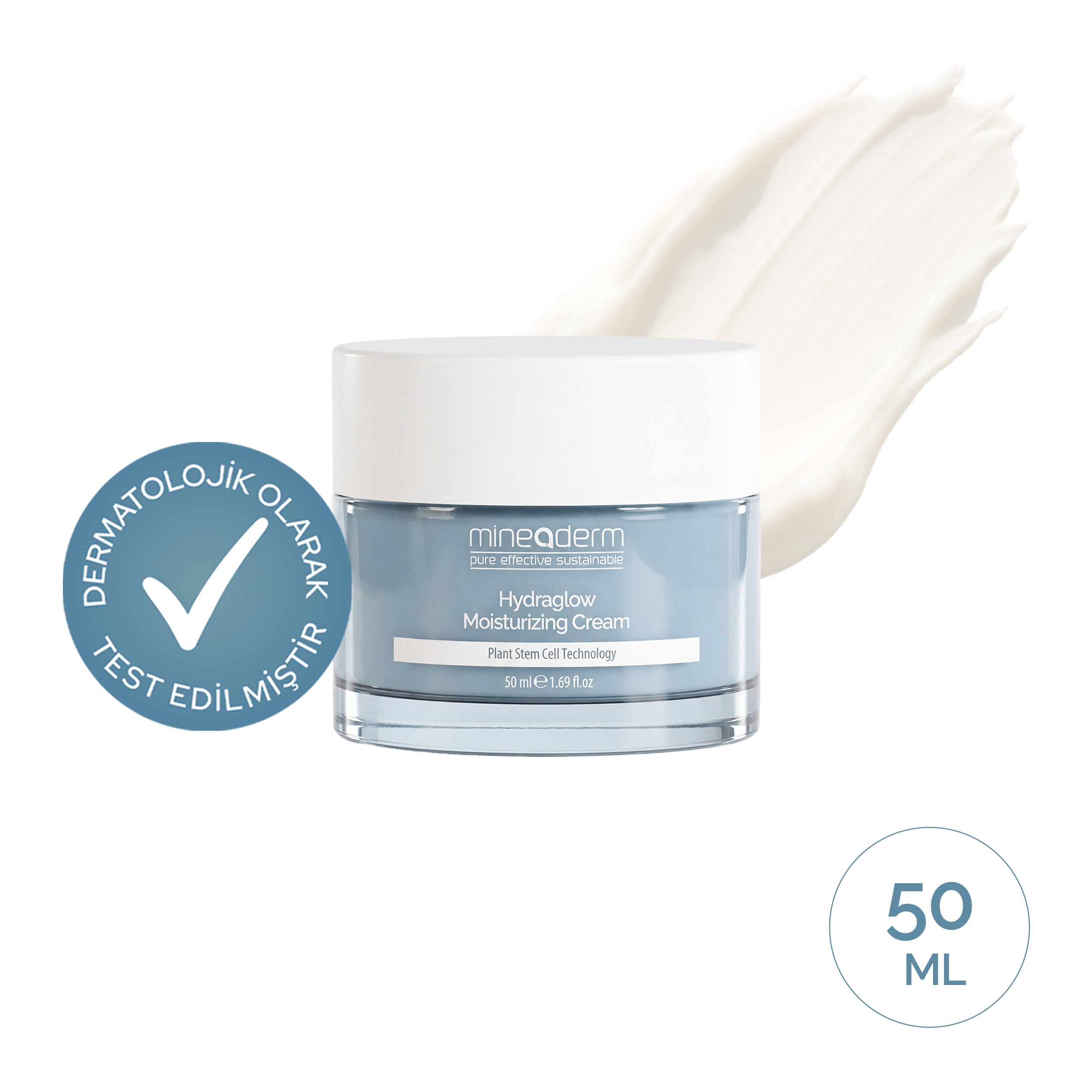
You woke up this morning, looked in the mirror, and there it was: unexplained redness on your face. The moment you apply moisturizer, your skin burns like fire. And no matter how generously you slather it on, that tight, itchy, restless feeling comes back within 15 minutes. Sound familiar? You're not alone. Most of the time we assume the problem is that expensive new serum we just bought, or a seasonal allergy. But the real culprit hides somewhere far more fundamental, far deeper: your skin barrier. So why does this invisible shield that protects us from the outside world suddenly give up? And most importantly, how do we bring it back to its old, supple, strong self? Let's look at the scientific — yet thoroughly practical — secrets of it together. We won't stop at theory: we'll walk step by step through how to get your skin back on track with the effective formulas coming out of Mineaderm laboratories. Get ready to make peace with your skin again. What Exactly Is the Skin Barrier? Think of your skin as a huge, rock-solid brick wall. Our outermost layer, the stratum corneum, is the main front line protecting us from the harshness of the outside world. The "mortar" that holds the bricks of this wall tightly together is a lipid (fat) blend made up of ceramides, cholesterol, and free fatty acids. When this mortar is strong and in place, everything runs smoothly. The life-giving moisture inside can't escape, and the dirt, bacteria, allergens, and harsh weather outside can't sneak in. Your skin stays soft, supple, and glowing. But once the wrong interventions start dissolving and cracking that mortar, the castle gates swing wide open. Water rapidly evaporates away (in dermatology we call this Transepidermal Water Loss — TEWL), and external irritants charge mercilessly into the lower layers of the skin. Why Does Our Skin Barrier Turn Against Us? (The Hidden Culprits of Daily Life) Scrolling through TikTok or Instagram, we run into a new acid or a new peeling trend every single day. There's hardly a method we haven't tried to achieve that flawless "glass skin" look. The misconception that "the more I exfoliate, the smoother I'll be" is one of the fastest routes to barrier destruction. Physical scrubs (those grainy cleansers) and highly concentrated chemical acids leave the skin completely defenseless. Experts explain another danger the skin faces with a wonderful analogy: think of your barrier as a pat of butter on the tip of a knife. What happens if you hold it under boiling water? It melts away instantly. In exactly the same way, those long, hot showers we love so much — the ones that warm us to the core — mercilessly strip away our skin's natural oils. If you're exposed to harsh winter conditions or intense dry cold, this effect doubles when combined with indoor radiator heat. Is it only hot water and exfoliants? Absolutely not. Other factors that quietly wear down our skin include: Harsh, Foaming Cleansers: Sulfate-laden soaps that leave your skin "squeaky clean" destroy the skin's microbiome and that precious lipid layer. Weather and Environment: Winter's icy wind and summer's scorching sun are the barrier's arch-enemies. Genetic Factors: Some of us are simply born with more sensitive skin. In conditions like atopic dermatitis, a deficiency of the filaggrin protein means the barrier is born weak and needs much more external support. Alarm Bells: How Do We Recognize the Damage? If you're experiencing several of the following symptoms, your skin is sending you an SOS: Products you apply — even the ones you trust most — suddenly stinging or burning your face. A rough, tight, flaky texture that won't go away no matter how much you moisturize. Redness and localized sensitivity that appears suddenly, with no clear cause A never-ending urge to scratch. Rebuilding in 3 Steps: Skin Barrier Repair with Mineaderm So how do we rebuild this fallen fortress? The solution actually lies in radically simplifying our routines. Expert dermatologists share one common piece of advice: stop exhausting your skin — cleanse gently, moisturize quickly, and protect from the sun. And this is exactly where Mineaderm, with its science-driven formulas, comes to the rescue. With a consistent sensitive skin care routine of roughly 7 to 14 days, it's possible to get your skin back on its feet. Ready? Let's move on to those three magic steps. Step 1: Calm Down Your Cleansing (Farewell to Aggressive Foams) Forget scrubbing your face until it feels stretched tight. Shelve the sulfate-containing, heavily foaming cleansers. Instead, switch to gentle, soap-free cleansers that respect the skin's pH balance. Your water should never be hot; wash only with lukewarm water, without roughing up your skin. What Should We Use? The British Association of Dermatologists (BAD) recommends emulsion or milk-type cleansers instead of soap for barrier-damaged skin. Here, Mineaderm Sensitive Purifying Milk (Cleansing Milk for Sensitive Skin) is a flawless choice. With Bisabolol and Panthenol in its formula it instantly soothes the skin, while Niacinamide eliminates that familiar post-cleansing tightness. Cleanse gently with a cotton pad — no rubbing — and rinse with lukewarm water. Step 2: Lock the Moisture In (The Backbone of the Barrier) This is the heart of the matter. The first minutes after a shower or after washing your face are vital. The American Academy of Dermatology (AAD) emphasizes that applying your moisturizer while your skin is still slightly damp is the most reliable way to trap water in the skin. When shopping for a barrier repair cream, keep your eyes on ingredients like Ceramides, Niacinamide, Hyaluronic Acid, and Panthenol. Which Products Should We Choose? · For Your Daily Routine: If your skin is dry and damaged but you're after a smart formula that won't feel heavy during the day, Mineaderm Hydraglow Moisturizing Cream (Daily Moisturizing Cream) is made for you. The HYDRAFENCE™ and AQUAXYL™ technologies in its formula practically lock water into the skin, while HYDRA SYNOL® DOI supports the ceramide structure, re-mixing your mortar. · SOS Care for Very Dry and Atopic Areas: If you have flaking, eczema-prone, extremely dry patches on your face or body, you need a more intensive touch. Mineaderm A.D+ Intensive Nourishing Emollient Balm — with Ceramide 3, cell-renewing Beta-Glucan, and soothing Bisabolol — runs an intensive overnight repair session for your skin. Step 3: Set Up Your Line of Defense (Sun Protection Is the Insurance on Your Repair) Skin whose walls have crumbled is completely bare and defenseless against the sun's harmful UV rays. The AAD states that even those with dry, damaged skin should never neglect broad-spectrum sun protection. Wearing sunscreen isn't just about preventing dark spots — it's a practical barrier-protection habit. Your Trusted Shield: Secure your skin in the final step of your daytime routine with Mineaderm UV Care & Moisturizing SPF 50+ (Intensive Moisturizing Sun Cream). This product doesn't just block UVA/UVB rays; thanks to the Shea Butter, Aloe Vera, and Centella Asiatica in its formula, it supports the skin's moisture capacity all day long. A small note: don't forget to do a patch test on a small corner of your neck. When Should You See a Specialist? If, despite this at-home "calm and repair" boot camp — despite improving your dry skin care routine and using the right products — you see no progress within 2–4 weeks, pay attention! If severe itching is interrupting your sleep, deep cracks that bleed are forming on your skin, or widespread redness has started to sting, you should see a dermatologist without delay to rule out underlying eczema or contact dermatitis. Do your skin a favor. Instead of battering it with a constant stream of new, harsh, exhausting trends, give it the compassionate break it needs. Remember, even the most flawless makeup will look off when it doesn't sit on healthy skin. Simplify your routine, give Mineaderm's barrier-friendly formulas a chance, and enjoy watching how quickly that magnificent shield renews itself. References [1] American Academy of Dermatology (AAD): Dermatologists' tips to relieve dry skin [2] National Health Service (NHS): Emollients [3] Mayo Clinic: Atopic dermatitis (eczema) - Diagnosis and treatment [4] National Center for Biotechnology Information (NCBI): Importance of Stratum Corneum Acidification to Restore Skin Barrier [5] PubMed: Skin barrier function and repair
Learn more
Natural Lip Plumping: A Lip Moisturizer Guide
Because lips have no ability to moisturize themselves, they are left completely defenseless against external factors and can be condemned to a dull, thin appearance; yet with the right lip moisturizer, it's possible to reverse this and create a natural lip plumping effect. Regular care with shea butter, vitamin E, and especially ceramide cream formulas that rebuild the skin barrier repairs the micro-cracks on the lips, leaving the tissue looking smoother and fuller. At this point, products developed to medical standards such as Mineaderm Moistherapy Lip Balm deeply nourish the lips, helping heal cracks and bringing you closer to that firm, healthy smile you've been dreaming of.
Learn more